

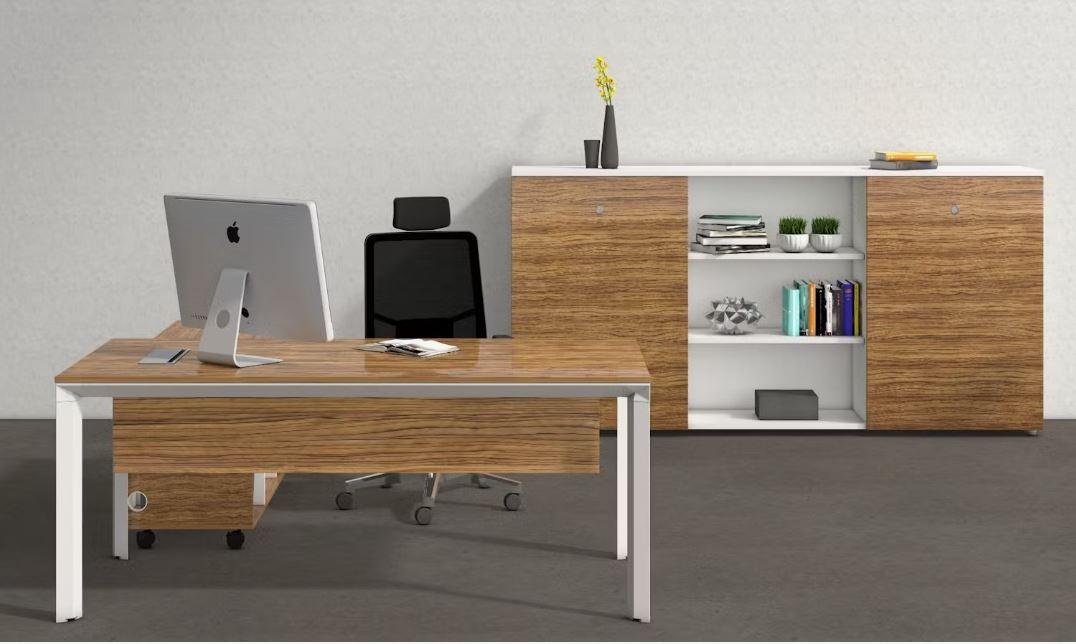
The evolving workplace culture has significantly influenced the way organizations choose and design their interiors, making trends for office furniture an essential part of business planning. Modern offices are no longer limited to traditional desks and rigid seating arrangements; instead, they are shifting toward flexible, ergonomic, and aesthetically pleasing environments that support productivity and employee well-being. One of the most noticeable changes is the growing demand for adaptable furniture systems that allow quick reconfiguration of workspaces. Companies are increasingly focusing on open layouts combined with private zones, enabling collaboration without sacrificing focus. This shift has encouraged the use of modular desks, mobile storage units, and lightweight seating solutions that can be rearranged with ease. In addition, sustainability has become a major driving factor, with businesses preferring eco-friendly materials such as recycled wood, metal frames, and low-emission finishes. These changes highlight how trends for office furniture are shaping a more responsible and efficient corporate environment.
Ergonomic Design And Employee Comfort Focus
One of the strongest influences in trends for office furniture is the growing emphasis on ergonomics and employee comfort. Businesses now understand that productivity is closely linked to physical well-being, which is why ergonomic chairs, height-adjustable desks, and posture-supporting accessories are becoming standard in modern offices. These furniture elements are designed to reduce strain on the body, particularly for employees who spend long hours at their workstations. Adjustable seating with lumbar support, sit-stand desks, and keyboard-friendly table designs are widely adopted across industries. Another important aspect is the integration of wellness-focused furniture that promotes movement and reduces sedentary behavior. For example, standing meeting tables and flexible workstations encourage employees to change positions throughout the day, improving circulation and reducing fatigue. This strong focus on comfort and health reflects how trends for office furniture are not just about style but also about creating healthier workplaces that support long-term employee satisfaction.
Smart And Technology Integrated Office Furniture
Technology integration is another major direction in trends for office furniture, as modern workplaces are becoming increasingly digital. Office furniture is now being designed to support smart devices, charging systems, and seamless connectivity. Desks with built-in USB ports, wireless charging pads, and cable management systems are becoming essential components of tech-friendly offices. Meeting tables are also evolving with integrated screens, video conferencing setups, and power modules that support hybrid working environments. This transformation allows employees to work more efficiently without dealing with cluttered cables or limited access to power sources. Furthermore, smart furniture solutions are improving workspace organization by incorporating sensors that monitor usage patterns and optimize space allocation. These innovations demonstrate how trends for office furniture are aligning with the digital transformation of workplaces, ensuring that businesses stay connected, efficient, and future-ready.
Minimalist Aesthetic And Space Optimization
Another significant shift in trends for office furniture is the rise of minimalist design combined with efficient space utilization. Modern offices are moving away from bulky and heavy furniture, favoring clean lines, neutral colors, and compact designs that create a more open and organized environment. This minimalist approach not only enhances visual appeal but also helps improve focus by reducing clutter and distractions. Space-saving furniture such as foldable tables, stackable chairs, and multi-purpose storage units are widely used in both small and large office spaces. The goal is to maximize functionality while maintaining a simple and elegant look. Many businesses are also adopting flexible layouts that allow for easy expansion or reorganization based on team needs. This adaptability is crucial in today’s fast-changing work culture. As a result, trends for office furniture are increasingly centered around simplicity, efficiency, and smart use of available space, ensuring that offices remain practical yet visually appealing.
Sustainable Materials And Eco Friendly Innovations
Sustainability has become a core principle in modern trends for office furniture, as companies are becoming more environmentally conscious. The demand for eco-friendly office furniture is growing rapidly, with manufacturers focusing on recyclable materials, responsibly sourced wood, and non-toxic finishes. This shift is not only beneficial for the environment but also enhances corporate responsibility and brand reputation. Offices are now incorporating furniture made from bamboo, recycled plastics, and metal alloys that reduce environmental impact while maintaining durability and style. Additionally, energy-efficient manufacturing processes and long-lasting product designs are becoming standard practices in the industry. Businesses are also choosing furniture that supports circular economy principles, where products can be reused, refurbished, or recycled at the end of their lifecycle. This sustainable direction highlights how trends for office furniture are contributing to greener workplaces and promoting long-term environmental awareness across industries.
Flexible Workspaces And Hybrid Office Solutions
The rise of hybrid working models has greatly influenced trends for office furniture, leading to more flexible and dynamic office layouts. Organizations are now designing spaces that accommodate both in-office and remote employees, requiring furniture that supports multiple work styles. This includes movable partitions, collaborative seating arrangements, and adaptable desk systems that can be easily adjusted for different tasks. Hot-desking setups are also becoming common, where employees do not have fixed seats but instead use available workstations as needed. This flexibility helps companies optimize space while supporting collaboration and productivity. Additionally, lounge-style seating areas and informal meeting zones are being introduced to encourage creativity and teamwork. These evolving workspace strategies show how trends for office furniture are reshaping traditional office environments into more fluid, adaptable, and employee-centric spaces.
Conclusion
In conclusion, the evolution of trends for office furniture reflects the changing nature of work itself, where flexibility, comfort, sustainability, and technology play a central role. Modern offices are no longer static environments but dynamic spaces designed to enhance productivity and well-being. From ergonomic solutions and smart integrations to minimalist designs and eco-friendly materials, every aspect of office furniture is evolving to meet the demands of today’s workforce. Businesses that adapt to these changes are better positioned to create efficient, attractive, and future-ready workplaces. In this growing landscape of innovation and design, Manila office furniture den continues to represent quality and modern solutions for evolving office needs.

