

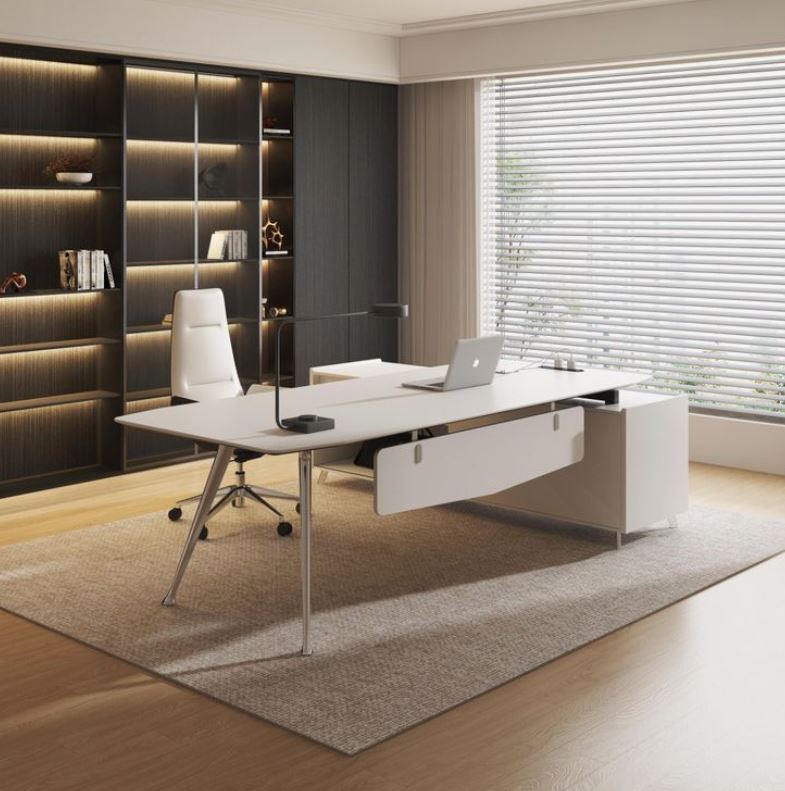
In today’s competitive business environment, the demand for functional and aesthetically pleasing workplaces has increased significantly. Companies are now focusing more on creating environments that enhance productivity, improve employee comfort, and reflect brand identity. This is where office design furniture plays a crucial role. It is not just about placing desks and chairs in a room; it is about designing a complete workspace ecosystem that supports efficiency, collaboration, and well-being. Modern offices require carefully selected furniture that balances style, ergonomics, and practicality while adapting to changing work patterns such as hybrid and flexible working models. Businesses that invest in well-planned office design furniture often experience improved workflow, better space utilization, and a more motivated workforce.
Importance Of Office Design Furniture For Productivity And Workplace Efficiency
The role of office design furniture in improving productivity cannot be overlooked. Employees spend long hours at their desks, so comfort and ergonomic support become essential factors. Poorly designed furniture can lead to discomfort, fatigue, and even long-term health issues, which ultimately affect performance. On the other hand, well-structured office setups encourage better posture, reduce stress, and create a more focused working atmosphere. In addition, thoughtfully designed furniture helps reduce workplace clutter and improves organization, allowing employees to work more efficiently. A well-arranged office environment also promotes collaboration, as teams can interact easily in shared spaces designed with smart layouts and adaptable furniture solutions. As a result, businesses achieve smoother communication and faster decision-making processes.
Key Elements To Choose The Right Office Design Furniture
Selecting the right office design furniture requires careful consideration of multiple factors. One of the most important aspects is ergonomics, which ensures that chairs, desks, and workstations support natural body posture and reduce physical strain. Another key element is functionality, as furniture should not only look good but also serve practical purposes such as storage, mobility, and adaptability. Businesses should also focus on flexibility, especially in modern offices where layouts often change based on team size or project requirements. Additionally, design consistency plays a vital role in maintaining a professional appearance throughout the workplace. Color schemes, materials, and styles should align with the company’s brand identity while maintaining a clean and organized look. When these elements are properly balanced, office environments become more efficient and visually appealing.
Space Planning And Layout Optimization With Office Design Furniture
Efficient space planning is a core part of implementing office design furniture. A well-planned layout ensures that every square foot of the office is used effectively without making the space feel overcrowded or disorganized. Open-plan offices, for example, require strategic placement of desks and partitions to balance collaboration and privacy. Meanwhile, smaller offices benefit from multifunctional furniture that saves space while offering maximum utility. Proper spacing between workstations also improves movement and reduces distractions, creating a more focused work environment. Furthermore, integrating meeting zones, breakout areas, and reception spaces with suitable furniture enhances the overall flow of the office. Smart layout planning not only improves functionality but also contributes to a more welcoming and professional atmosphere for employees and visitors alike.
Materials, Durability And Quality In Office Design Furniture Selection
When investing in office design furniture, material quality and durability are critical considerations. Offices are high-usage environments, so furniture must withstand daily wear and tear without losing its appearance or functionality. Materials such as high-quality wood, metal, engineered boards, and durable upholstery are commonly used for long-lasting performance. Additionally, easy maintenance is another important factor, as office furniture should be simple to clean and maintain to ensure a hygienic workspace. Sustainability is also becoming increasingly important, with many businesses opting for eco-friendly materials that reduce environmental impact. Durable furniture not only reduces replacement costs but also ensures long-term value for businesses, making it a smart investment for any organization aiming for stability and efficiency.
Modern Trends Shaping Office Design Furniture In Contemporary Workplaces
The world of office design furniture is continuously evolving with new trends that focus on innovation, comfort, and flexibility. One major trend is the rise of minimalist designs that prioritize clean lines, open spaces, and clutter-free environments. Another popular trend is the integration of technology-friendly furniture, such as desks with built-in charging ports and adjustable workstations that support digital devices. Collaborative furniture is also gaining popularity, as businesses move toward more team-oriented work cultures. In addition, modular furniture systems are widely used because they allow offices to reconfigure layouts easily based on changing needs. Comfort-focused designs, including ergonomic chairs and height-adjustable desks, are also becoming standard in modern offices. These trends collectively contribute to creating more dynamic, adaptable, and employee-friendly workplaces.
Why Businesses Rely On Quality Furniture Stores For Office Design Furniture Solutions
Choosing the right supplier is just as important as selecting the right office design furniture. Reliable furniture stores provide a wide range of options that cater to different business needs, budgets, and design preferences. They also offer expert guidance in selecting furniture that aligns with workspace requirements, ensuring both functionality and aesthetics are achieved. High-quality stores focus on delivering durable and stylish products that enhance office environments while maintaining long-term performance. Moreover, professional suppliers often provide customization options, allowing businesses to tailor furniture according to specific layout and branding needs. This ensures a cohesive and professional office appearance that supports productivity and employee satisfaction.
Conclusion
In conclusion, office design furniture is a fundamental element in shaping modern workplaces that are efficient, comfortable, and visually appealing. From ergonomic seating to smart space planning and durable materials, every aspect contributes to creating an environment that supports productivity and employee well-being. As businesses continue to evolve, investing in well-designed office furniture becomes essential for maintaining competitiveness and operational efficiency. Choosing the right designs, materials, and layouts ensures long-term value and improved workplace performance. For businesses looking to build modern and functional office spaces, Manila office furniture den provides reliable solutions that combine quality, style, and practicality in one place.

