

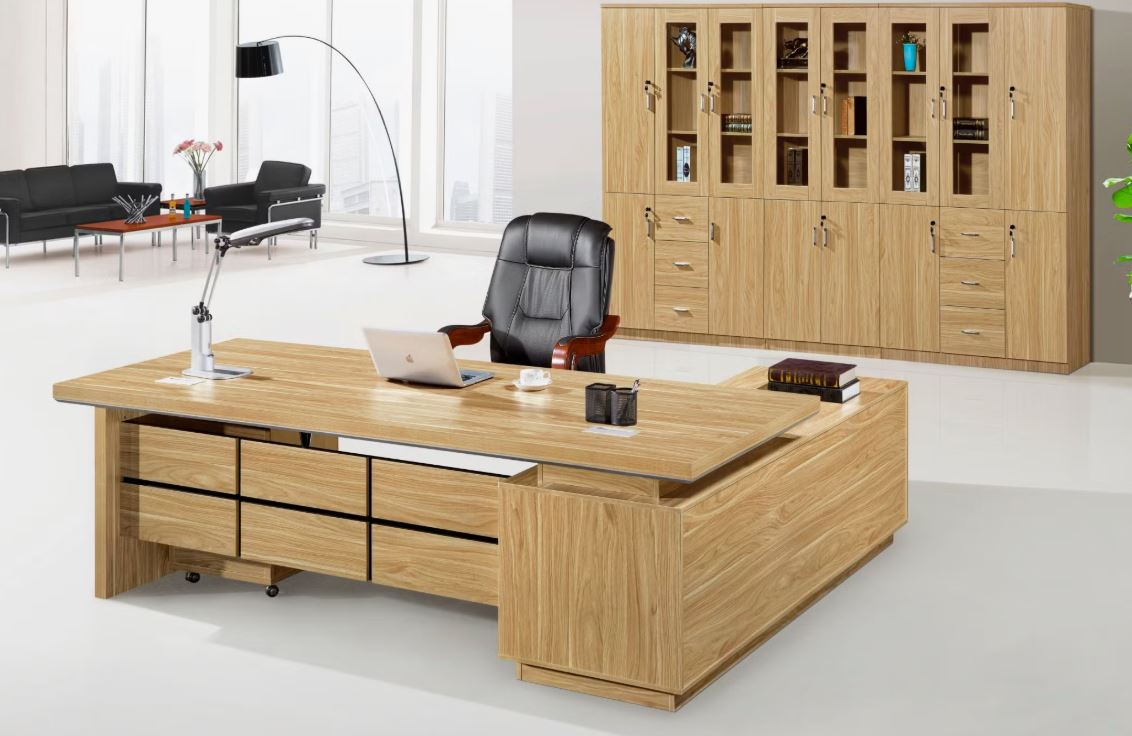
The concept of office furniture design trends has evolved significantly as modern workplaces shift toward more flexible, efficient, and employee-focused environments. Today, businesses are no longer just selecting furniture for filling space; instead, they are choosing designs that improve productivity, support well-being, and reflect brand identity. This shift is influenced by hybrid work models, digital transformation, and the growing need for adaptable workspaces that can support both collaboration and focused tasks. Modern offices now emphasize open layouts, modular systems, and multifunctional furniture that can easily adjust to changing needs.
In recent years, organizations have started prioritizing comfort and aesthetics equally. The workplace is no longer viewed as a rigid environment but as a dynamic ecosystem where employees spend a large portion of their day. As a result, furniture choices are becoming more intentional, focusing on long-term usability and visual harmony. The growing demand for smart and ergonomic solutions is also shaping how companies approach workspace design decisions.
Modern Workspace Layouts And Flexibility
One of the strongest influences in office furniture design trends is the rise of flexible workspace layouts. Businesses are moving away from fixed cubicles and traditional seating arrangements toward open, collaborative spaces that can be easily reconfigured. This allows teams to adapt their environment depending on the type of work being done, whether it is brainstorming, meetings, or individual tasks.
Modular desks, movable partitions, and multi-use tables are now essential components of modern office setups. These elements help organizations maximize space utilization while maintaining comfort and functionality. Flexibility also supports hybrid working models, where employees may rotate between in-office and remote work. Offices are now designed to be more responsive rather than static, allowing seamless transitions between different work modes.
Another key benefit of flexible layouts is improved communication among teams. When employees are not confined to isolated spaces, collaboration becomes more natural and efficient. This leads to better idea sharing and stronger workplace relationships, which ultimately enhances productivity.
Sustainable Materials And Eco Friendly Furniture Choices
Sustainability plays a major role in shaping modern office furniture design trends. Businesses are increasingly aware of their environmental responsibilities and are choosing furniture made from eco-friendly materials such as recycled wood, metal, bamboo, and low-emission composites. These materials not only reduce environmental impact but also contribute to healthier indoor air quality.
Companies are also opting for durable furniture that reduces the need for frequent replacement. This long-term approach helps lower costs while supporting sustainable practices. In addition, manufacturers are focusing on production methods that minimize waste and energy consumption, making the entire supply chain more environmentally responsible.
Eco-friendly office designs also create a positive impression on clients and employees. A workspace that reflects sustainability values can enhance a company’s brand reputation and demonstrate its commitment to global environmental goals. As awareness continues to grow, sustainable furniture is becoming a standard rather than a luxury in modern office design.
Ergonomic Office Chairs And Employee Comfort
Employee well-being is at the center of modern office furniture design trends, and ergonomic furniture is one of the most important elements in this shift. Ergonomic office chairs, adjustable desks, and posture-supportive accessories are now essential in workplaces that prioritize health and productivity.
Proper seating design reduces physical strain, prevents long-term health issues, and improves overall comfort during long working hours. Adjustable height desks also allow employees to alternate between sitting and standing positions, promoting better circulation and reducing fatigue. These features contribute to a healthier work environment and help reduce absenteeism caused by physical discomfort.
Comfort-focused design is not just about physical health; it also impacts mental well-being. Employees who feel comfortable in their workspace are more focused, motivated, and productive. This is why companies are investing more in high-quality ergonomic solutions that support both performance and wellness.
Smart Technology Integration In Office Furniture
Technology integration is another key driver of office furniture design trends in modern workplaces. Smart furniture solutions are becoming increasingly popular, offering features such as built-in charging ports, wireless charging stations, cable management systems, and even sensor-based adjustments.
These innovations help reduce clutter and improve workflow efficiency by ensuring that employees have easy access to essential tools. Smart desks can now store preferred height settings, track usage patterns, and support digital connectivity, making them ideal for tech-driven environments.
As offices become more digitally connected, furniture is evolving to support seamless interaction between physical and digital workspaces. This integration enhances convenience and creates a more streamlined working experience. The result is a modern office environment that supports productivity while embracing technological advancement.
Color, Aesthetics And Brand Identity In Workspaces
Visual appeal is an important aspect of office furniture design trends, as companies increasingly use interior design to reflect their brand identity. Color schemes, textures, and furniture styles are carefully selected to create a cohesive and inspiring work environment.
Neutral tones combined with bold accent colors are commonly used to balance professionalism with creativity. Wooden finishes, glass elements, and metal frames are often blended to achieve a modern yet sophisticated look. The aesthetic design of an office can significantly influence employee mood and client perception.
A well-designed workspace also enhances creativity and motivation. When employees work in visually appealing environments, they tend to feel more engaged and connected to their tasks. This is why businesses are paying closer attention to interior design as part of their overall strategy.
Conclusion: Office Furniture Design Trends For Future Workspaces
The evolution of office furniture design trends reflects a major shift in how businesses view workplace environments. From flexible layouts and sustainable materials to ergonomic solutions and smart technology integration, modern office design is centered around efficiency, comfort, and innovation. Companies are now focusing on creating spaces that not only support productivity but also enhance employee satisfaction and brand identity.
As workplaces continue to evolve, the demand for adaptable and intelligent furniture solutions will only grow. Businesses that invest in thoughtful design will be better positioned to attract talent, improve performance, and maintain long-term success. A well-planned workspace is no longer optional—it is a strategic advantage in today’s competitive environment. Brands like Manila office furniture den play an important role in delivering modern solutions that align with these evolving workplace needs.

