

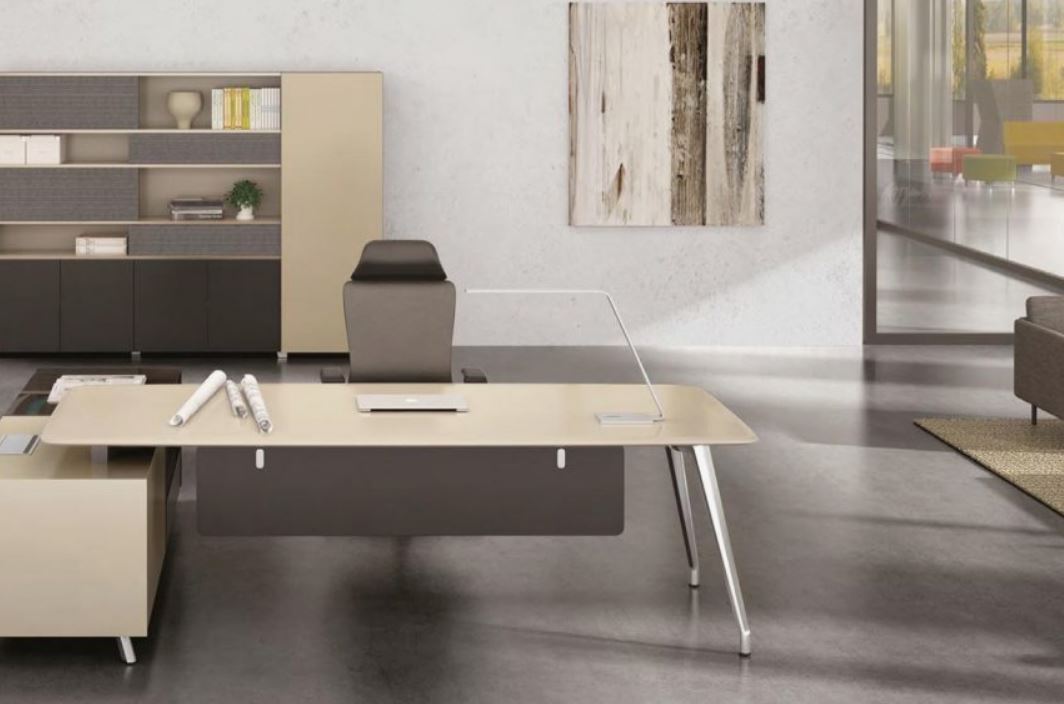
Creating a productive workplace involves more than choosing attractive desks and comfortable chairs. Businesses today are also considering how their furniture choices affect the environment, employee wellbeing, workplace efficiency, and long-term costs. Sustainable Office Furniture offers a practical way for companies to create professional workspaces while making more responsible purchasing decisions.
For offices in Manila and Quezon City, sustainable furniture can be especially useful because businesses can combine durability, efficient space planning, responsible materials, and modern workplace design. From desks and ergonomic chairs to storage systems, meeting tables, reception furniture, and modular workstations, sustainable options can support both business needs and environmental goals.
What Is Sustainable Office Furniture?
Sustainable office furniture refers to workplace furniture designed, manufactured, sourced, used, and eventually disposed of with reduced environmental impact. It can involve responsibly sourced materials, recycled or recyclable components, durable construction, repairable designs, efficient manufacturing processes, and furniture that can be reused or reconfigured instead of quickly replaced.
A sustainable office does not necessarily require every product to be made entirely from recycled materials. Instead, businesses should consider the complete lifecycle of furniture, including where materials come from, how long the product is expected to last, whether components can be repaired, and what happens when the furniture is no longer required.
This approach makes sustainability a practical purchasing consideration rather than simply a design trend.
Why Sustainable Office Furniture Matters for Philippine Businesses
Businesses in the Philippines are increasingly paying attention to workplace efficiency, employee comfort, responsible procurement, and environmental considerations. Furniture represents a significant part of an office fit-out, particularly for companies furnishing large workspaces.
Choosing durable and adaptable furniture can help businesses avoid unnecessary replacement costs. A modular workstation, for example, may be reconfigured when teams expand or office layouts change. This can be more practical than replacing an entire furniture system after every workplace change.
Sustainable office furniture can also contribute to a company’s broader corporate responsibility objectives. Businesses that demonstrate responsible purchasing practices may find it easier to communicate their environmental values to employees, clients, partners, and stakeholders.
For offices in Metro Manila, where commercial spaces can be expensive and efficient space utilization is important, adaptable furniture can provide an additional advantage.
Key Features of Sustainable Office Furniture
Several characteristics can indicate whether office furniture has been designed with sustainability in mind. Understanding these factors can help businesses make better purchasing decisions.
Durability is one of the most important considerations. Furniture that remains functional for many years generally creates less demand for replacement products. Strong frames, quality hardware, reliable surfaces, and replaceable components can increase the usable lifespan of desks, chairs, cabinets, and workstations.
Material selection also matters. Depending on the product, manufacturers may use recycled materials, responsibly sourced wood, recyclable metals, low-impact materials, or components that can be separated and recycled at the end of the product’s life.
Modular construction is another useful feature. Modular office furniture can often be expanded, rearranged, repaired, or adapted to new layouts. This flexibility is valuable for startups and growing businesses that may change their workspace requirements over time.
Repairability should also be considered. A product that allows damaged parts to be replaced rather than requiring complete disposal can reduce unnecessary waste.
Sustainable Materials for Office Furniture
The materials used in office furniture have an important role in sustainability. However, businesses should evaluate the overall product rather than assuming that one material is automatically better than another.
Wood-based furniture can be a practical choice when materials are responsibly sourced and products are built for long-term use. Recycled metal can also be valuable because metal components may be durable and recyclable.
Recycled plastics and other recycled materials can be incorporated into selected furniture components. Some manufacturers also use materials designed to reduce waste during production.
When purchasing furniture, businesses should ask suppliers about material composition, durability, maintenance requirements, certifications where applicable, and end-of-life options. These questions provide more useful information than relying solely on marketing terms such as “green” or “eco-friendly.”
Sustainable Desks for Modern Offices
The office desk remains one of the most important pieces of workplace furniture. A sustainable desk should combine durability, functionality, efficient material use, and a design that can remain useful as workplace requirements change.
Modular office desks can be particularly practical because configurations can be modified as teams grow. Some businesses may also benefit from shared workstations, collaborative tables, or height-adjustable desk systems that support different working styles.
For companies in Manila and Quezon City, the right desk configuration can also help maximize available floor space. Efficient planning can reduce the need for unnecessary furniture while creating a more comfortable environment for employees.
Sustainable Office Chairs and Employee Comfort
Sustainability should not come at the expense of ergonomics. An office chair needs to provide appropriate support for employees who spend significant portions of their working day seated.
Businesses should consider adjustability, back support, seat construction, durability, repairability, and replacement components when selecting office chairs.
A long-lasting ergonomic chair can potentially be a better investment than repeatedly replacing inexpensive chairs. The objective is to choose products that balance employee comfort, functionality, durability, and responsible material use.
Modular Workstations and Sustainable Office Planning
Modular workstations can support sustainability because they allow businesses to adapt office layouts without replacing every component.
A company may begin with a small workstation arrangement and later add additional desks as the team grows. Similarly, departments can be reorganized without necessarily purchasing an entirely new furniture system.
This flexibility is particularly relevant to startups, corporate offices, educational institutions, and businesses operating in changing commercial environments across Metro Manila.
Good space planning can also reduce wasted floor area. Instead of filling an office with unnecessary furniture, businesses can determine how many workstations, storage units, meeting areas, and collaborative spaces are genuinely required.
Sustainable Furniture and Office Space Efficiency
Sustainability is closely connected with efficient office planning. Purchasing fewer but better-designed furniture pieces can reduce unnecessary consumption while making the workplace easier to manage.
For example, integrated storage can reduce the need for separate cabinets. Modular desks can accommodate different configurations. Multi-purpose meeting tables can serve several functions instead of requiring dedicated furniture for every activity.
Businesses should evaluate employee numbers, workflow, storage requirements, meeting frequency, technology needs, and available floor space before ordering furniture.
This approach can help create a workspace that is both environmentally responsible and commercially practical.
How to Choose Sustainable Office Furniture in Manila
Businesses looking for sustainable office furniture in Manila should begin by identifying their actual workplace requirements.
Consider how many employees will use the space, what types of work they perform, how frequently the layout may change, how much storage is required, and what furniture needs to support collaborative work.
Next, evaluate product durability and construction quality. Ask suppliers about the materials used, maintenance requirements, warranty coverage, replacement parts, and expected product lifespan.
It is also worth asking whether furniture can be repaired, expanded, reconfigured, or recycled. These questions can reveal whether a product offers genuine long-term value.
For larger projects, businesses should also request a workspace planning consultation. A professional supplier can help determine the appropriate mix of desks, chairs, workstations, storage, reception furniture, and meeting tables.
Sustainable Office Furniture for Quezon City Businesses
Quezon City businesses have diverse workplace requirements, ranging from small startups and professional offices to educational institutions, healthcare organizations, government-related workplaces, and larger corporate environments.
A sustainable furniture strategy should therefore be tailored to the organization rather than based on a one-size-fits-all approach.
A small office may benefit from compact desks and flexible storage, while a larger organization may require modular workstations, meeting tables, executive desks, reception counters, and employee seating.
Local businesses can also benefit from working with suppliers that understand the practical requirements of offices in Quezon City and the wider Metro Manila market.
Sustainable Furniture for Startups and Growing Companies
Startups often need furniture that can adapt to rapid changes. Employee numbers can increase quickly, departments can move, and office layouts may change as the company develops.
Buying furniture that can be expanded or rearranged can therefore make financial and operational sense.
Instead of choosing furniture solely according to its initial price, startups should consider total ownership value. A durable desk that remains useful through several office changes may provide better value than a cheaper product that needs to be replaced quickly.
Flexible furniture can also make it easier for growing companies to maintain a consistent professional appearance as they expand.
Sustainable Office Furniture for Corporate Offices
Corporate workplaces typically require consistency, durability, employee comfort, and efficient space utilization. Sustainability can be integrated into corporate furniture procurement by establishing clear purchasing criteria.
Procurement teams can evaluate product lifespan, material composition, maintenance requirements, warranty support, modularity, recyclability, and supplier practices.
Large organizations can also consider phased furniture replacement rather than replacing everything at once. Furniture that remains functional can continue to be used, while outdated or damaged pieces can be replaced progressively.
This approach may help reduce unnecessary waste while allowing companies to gradually improve their workplace environment.
What Makes Office Furniture Truly Sustainable?
A product should not be considered sustainable simply because it is marketed as environmentally friendly. Businesses should look at multiple factors.
The most useful questions include:
How durable is the furniture?
What materials are used?
Can damaged components be repaired or replaced?
Can the furniture be reconfigured?
Are materials recycled or recyclable?
Does the manufacturer provide relevant environmental certifications?
What is the expected product lifespan?
What happens when the furniture reaches the end of its useful life?
Answering these questions gives procurement teams a clearer understanding of the product’s sustainability profile.
Sustainable Office Furniture vs Traditional Office Furniture
Traditional office furniture can still be a responsible choice when it is durable, repairable, and designed for long-term use. Sustainability is not simply a matter of choosing one category of furniture over another.
The key difference is often the approach to purchasing.
A sustainable procurement strategy considers the product’s complete lifecycle, while a purely price-focused strategy may prioritize the lowest initial cost.
For businesses, the best option is usually furniture that delivers a strong combination of durability, usability, employee comfort, appearance, flexibility, and responsible material selection.
Benefits of Sustainable Office Furniture
Sustainable office furniture can offer several practical benefits beyond environmental considerations.
Durable furniture can reduce the frequency of replacement. Modular designs can make future office changes easier. Efficient layouts can improve the use of valuable floor space. Ergonomic products can support workplace comfort. Responsible purchasing can also strengthen a company’s sustainability strategy.
There can also be branding benefits. A thoughtfully designed sustainable workplace can communicate professionalism and responsible business practices to employees, visitors, and clients.
However, sustainability should always be supported by genuine product quality and practical workplace requirements.
Common Mistakes When Buying Sustainable Office Furniture
One common mistake is choosing furniture based solely on environmental marketing claims. Businesses should look for evidence and ask specific questions about materials, durability, certifications, and product lifecycle.
Another mistake is ignoring ergonomics. Environmentally responsible furniture that does not provide adequate employee comfort may not be an effective workplace investment.
Buying too much furniture is another issue. Even sustainable products consume resources, so businesses should first determine what they actually need.
Finally, businesses should avoid selecting furniture based only on the lowest purchase price. Long-term durability, maintenance, replacement parts, warranty support, and adaptability can have a major effect on the actual cost of ownership.
How Manila Office Furniture Den Can Help
Choosing the right furniture requires more than selecting products from a catalogue. Businesses need to consider floor space, employee requirements, workflow, storage, aesthetics, durability, and future expansion.
Manila Office Furniture Den can help businesses evaluate office furniture options according to their workspace requirements. Whether you are furnishing a startup, corporate office, school, healthcare facility, government workplace, or professional office, the right furniture plan can help create a more functional and responsible environment.
For businesses in Manila and Quezon City, discussing your floor plan, employee count, preferred furniture style, budget, and sustainability goals with a knowledgeable supplier can make the purchasing process much easier.
How to Start a Sustainable Office Furniture Project
Start by measuring your available office space and identifying the number of employees who will use it. Determine which areas require individual workstations, collaborative tables, meeting furniture, reception furniture, executive desks, and storage.
Next, establish your purchasing priorities. These might include durability, ergonomic support, modularity, recycled materials, repairability, recyclability, or long-term value.
Once your requirements are clear, request furniture recommendations and compare products based on total value rather than initial price alone.
A professional supplier can also help with space planning and furniture selection so that the final layout supports both daily operations and future workplace changes.
Frequently Asked Questions
What is sustainable office furniture?
Sustainable office furniture is designed with greater consideration for material sourcing, durability, repairability, adaptability, recyclability, and overall environmental impact throughout its lifecycle.
Is sustainable office furniture more expensive?
Not necessarily. Some sustainable products may have a higher initial cost, but durable and repairable furniture can provide better long-term value by reducing replacement requirements.
What materials are commonly used in sustainable office furniture?
Depending on the product, sustainable furniture may incorporate responsibly sourced wood, recycled metals, recycled plastics, recyclable materials, and other lower-impact components.
Is modular office furniture sustainable?
Modular furniture can support sustainability because it can often be reconfigured, expanded, repaired, or reused when workplace requirements change.
Where can businesses buy sustainable office furniture in Manila?
Businesses can compare local office furniture suppliers in Manila and evaluate their products based on durability, materials, modularity, warranties, repair options, and workspace planning services.
Can sustainable furniture work for small offices?
Yes. Small offices can benefit significantly from compact, multifunctional, and modular furniture because these solutions can maximize limited floor space while supporting future changes.
Is sustainable furniture suitable for Quezon City offices?
Yes. Sustainable furniture can be used in startups, corporate offices, schools, healthcare facilities, government workplaces, and professional offices throughout Quezon City.
Final Thoughts
Sustainable office furniture is about making smarter decisions for the entire lifecycle of a workplace. Businesses do not need to compromise on appearance, comfort, functionality, or professionalism to create a more responsible office.
The best approach is to select durable products, prioritize efficient space planning, consider repairable and adaptable designs, evaluate materials carefully, and purchase only what the workplace genuinely needs.
For companies planning a new office or upgrading an existing workspace in Manila or Quezon City, sustainable furniture can be a practical part of a long-term workplace strategy. A well-planned office can support employees, improve space utilization, strengthen the company’s professional image, and make responsible purchasing decisions at the same time.
If you are planning an office furniture project, consider discussing your requirements with Manila Office Furniture Den and request recommendations based on your available space, team size, workplace design, budget, and sustainability objectives.

