

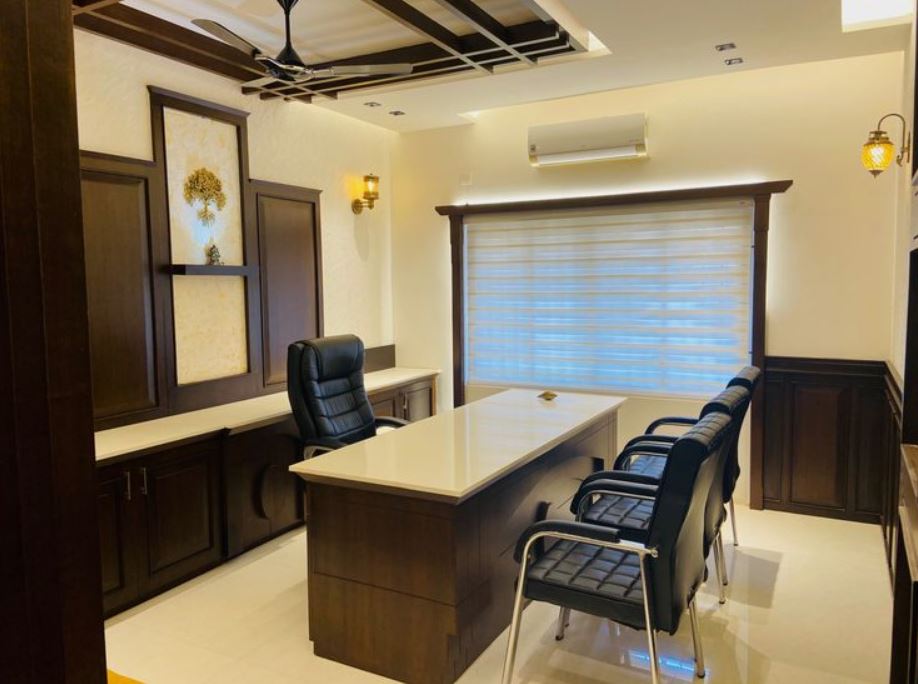
Choosing the right office furniture is more important than simply finding a table that fits inside a room. The right table can influence how employees work, communicate, organize documents, and use their available space. For businesses searching for Work Table Philippines, the ideal choice depends on several factors, including office size, employee requirements, work style, durability, design, and budget.
A suitable work table should provide enough working space without making the office feel crowded. It should also support everyday tasks such as computer work, writing, meetings, document handling, and collaborative activities. For businesses in Manila and Quezon City, selecting furniture that matches the demands of a busy commercial environment can make office planning much easier.
What Is a Work Table?
A work table is an office table designed to provide a practical surface for professional tasks. Unlike a basic household table, an office work table is generally designed around workplace requirements such as computer equipment, paperwork, employee seating, storage, and cable management.
Work tables can be used in private offices, open-plan workspaces, meeting areas, training rooms, schools, hospitals, government offices, and collaborative environments. Their configurations can range from simple rectangular tables to larger shared workstations.
The best option depends on how the space will be used. A single employee may need a compact table, while a team may require a larger shared surface that encourages communication and collaboration.
How to Choose the Right Work Table Philippines
When comparing Work Table Philippines, businesses should look beyond appearance. A table may look attractive but still be unsuitable if it provides insufficient legroom, poor cable management, weak construction, or inadequate workspace.
Start by measuring the available area. Consider the table dimensions, chair movement, walking space, storage units, doors, windows, and other furniture. Planning these elements together helps prevent an office from becoming unnecessarily congested.
Next, consider the type of work being performed. Employees who use multiple monitors may need a deeper tabletop than employees who mainly work with documents. Teams that frequently collaborate may benefit from larger shared tables.
Durability is another important consideration. Office furniture is often used for many hours every day, so construction quality should match the expected workload. Materials, edge finishing, frame strength, hardware, and surface resistance can all affect long-term performance.
Popular Work Table Designs for Philippine Offices
Rectangular work tables remain a practical choice for many businesses because they are easy to arrange and can work with different office layouts. They can be positioned against walls, placed in rows, or combined to create larger work areas.
L-shaped tables are useful when employees need separate areas for computer work, paperwork, meetings, or equipment. Their configuration can make better use of corners and provide additional working space.
Bench-style workstations are suitable for offices where several employees work together. They can create a consistent visual layout while making efficient use of floor space.
Large collaborative tables are particularly useful for meeting rooms, project teams, training areas, and shared workspaces. Their larger surface allows several people to work together without requiring separate desks.
For smaller offices, compact work tables can provide an efficient workstation without consuming unnecessary floor area. This can be especially useful when businesses are planning offices in limited commercial spaces.
Choosing the Right Table Material
Material selection can influence appearance, maintenance, durability, and overall value. Common office table materials include engineered wood, laminated surfaces, metal components, and combinations of different materials.
Laminate finishes are popular because they can provide a professional appearance while being relatively practical for everyday office use. Engineered wood can offer a balance between appearance and structural performance when properly constructed.
Metal frames can provide additional stability and are often paired with wood-based tabletops. This combination can create a modern commercial appearance while supporting regular workplace use.
The right material should match the environment. A high-traffic office may require a more durable surface than a low-use meeting area. Businesses should also consider cleaning requirements, humidity, maintenance, and expected frequency of use.
Work Table Size and Office Space Planning
Table size should always be considered together with the surrounding workspace. A large table is not automatically better if it restricts movement or leaves insufficient room for chairs.
For individual workstations, the table should provide enough room for the employee’s monitor, keyboard, mouse, documents, and other frequently used items. Businesses using multiple monitors should account for additional equipment when determining the required surface area.
Office planners should also consider circulation paths. Employees need sufficient room to enter and leave their workstations comfortably. Storage cabinets, printers, meeting furniture, and other equipment should not interfere with movement.
In Manila and Quezon City offices, where available commercial space can vary considerably, careful furniture planning can help businesses achieve a functional layout without overcrowding the workplace.
Ergonomics and Employee Comfort
A work table should work together with an appropriate office chair and monitor setup. Table height, monitor position, keyboard placement, and available legroom can all influence daily comfort.
Employees who spend many hours at computers need a workstation that allows them to maintain a comfortable posture. The table should provide sufficient space for equipment while allowing the user to position the monitor and input devices appropriately.
Cable management is also worth considering. Unorganized cables can create visual clutter and may interfere with cleaning and movement. Tables with suitable cable-management solutions can help maintain a cleaner workspace.
Ergonomics should not be treated as a luxury. A well-planned workstation can make the office more comfortable and easier to organize.
Work Tables for Different Business Environments
Corporate offices often require consistent furniture across departments. Matching tables can create a professional appearance while making future expansion easier.
Startups may prioritize flexible furniture that can adapt as their teams grow. Modular workstations and shared tables can provide greater flexibility when office layouts change.
Schools and training centers may require tables that support both individual and group activities. Durability and easy maintenance can become particularly important in these environments.
Hospitals and healthcare offices may have specialized workspace requirements. Furniture selection should consider workflow, cleaning, available space, and the type of administrative work being performed.
Government offices and other institutions may prioritize durability, practicality, standardized layouts, and long-term value.
Why Local Office Furniture Selection Matters
Buying office furniture locally can make planning, communication, delivery, and after-sales coordination more convenient. Businesses can discuss their workspace requirements directly with a furniture supplier and determine which configurations are suitable for their environment.
For organizations operating in Manila or Quezon City, working with a supplier familiar with local commercial requirements can also make it easier to discuss office layouts, furniture quantities, delivery considerations, and installation requirements.
A supplier should be able to explain differences between table designs rather than simply recommending the most expensive option. The goal should be to select furniture that matches the business’s actual needs.
Common Mistakes When Buying Office Work Tables
One common mistake is choosing furniture based entirely on appearance. A stylish table may not provide sufficient workspace or durability for daily commercial use.
Another mistake is ignoring the complete office layout. Measuring only the table location without considering chairs, storage, walkways, and equipment can create problems after installation.
Businesses should also avoid selecting furniture without considering future growth. If additional employees are expected, a modular or scalable furniture system may be more practical than a layout that cannot be expanded easily.
Skipping material and construction checks can also lead to disappointing results. Before purchasing, businesses should ask about construction quality, dimensions, finishes, warranty coverage, and maintenance requirements.
How to Compare Work Table Suppliers
When comparing suppliers, consider more than the advertised price. Look at product quality, customization options, available designs, delivery capabilities, installation services, customer support, and the supplier’s experience with commercial projects.
A reliable supplier should be able to discuss the intended application and recommend suitable configurations. For larger projects, businesses may also benefit from discussing the complete office layout rather than purchasing tables individually.
Requesting a quotation can help compare the total project cost. The quotation should clearly identify furniture specifications, quantities, finishes, delivery arrangements, installation, and any applicable warranty terms.
Why Businesses Should Plan Before Requesting a Quote
Having basic information ready can make the quotation process faster and more accurate. Businesses should know approximately how many employees need workstations, the available room dimensions, preferred table configurations, and the type of work being performed.
It is also useful to identify whether the project involves a new office, renovation, expansion, or replacement of existing furniture. These details help a furniture supplier understand the project’s requirements.
If you are planning an office in Manila or Quezon City, discussing the project before making a final purchase can help you avoid unnecessary furniture changes later.
Choosing Work Tables for Long-Term Value
The cheapest table is not always the most economical choice. Office furniture represents a long-term investment, particularly when a company is purchasing dozens or hundreds of units.
A better approach is to consider the total value of the furniture. Durability, usability, maintenance, flexibility, appearance, and suitability for the workplace should all be considered alongside price.
A well-designed office table can remain useful through office expansions, departmental changes, and evolving workplace requirements. Choosing furniture based on long-term needs can therefore provide better value than focusing only on the initial purchase price.
Frequently Asked Questions
What is the best work table for an office?
The best work table depends on available space, employee requirements, equipment, office layout, and budget. A supplier can recommend suitable dimensions and configurations after assessing these factors.
How do I choose a work table for a small office?
Measure the available area first and prioritize a practical tabletop size, comfortable seating space, and efficient storage. Compact or modular designs can work well where floor space is limited.
Are work tables suitable for corporate offices?
Yes. Work tables can be used for individual workstations, shared workspaces, project teams, meeting areas, and other corporate applications.
Can work tables be customized?
Many office furniture suppliers offer customization options such as dimensions, finishes, configurations, storage, and cable-management solutions. Availability depends on the supplier and product range.
Where can I buy Work Table Philippines products?
Businesses can compare local office furniture suppliers in Manila and Quezon City and request quotations based on their specific workspace requirements.
How much workspace does an employee need?
There is no single ideal size for every employee. Required workspace depends on equipment, documents, work style, storage needs, and the overall office layout.
Get the Right Work Table for Your Office
The right office table should support the way your team actually works. Instead of choosing furniture solely because it looks good or has a low price, consider dimensions, durability, ergonomics, materials, office layout, storage, and future requirements.
For businesses searching for Work Table Philippines, Manila Office Furniture Den can be considered when planning office furniture requirements for workplaces in Manila and Quezon City. Discussing your space, employee requirements, preferred configuration, and budget can help you identify a more suitable solution and request an informed quotation.
A well-planned workspace is an investment in everyday productivity, organization, and professional presentation. Whether you are furnishing a startup, expanding a corporate office, renovating a school, or planning a larger institutional workspace, choosing the right work tables from the beginning can make the entire office more functional.

