

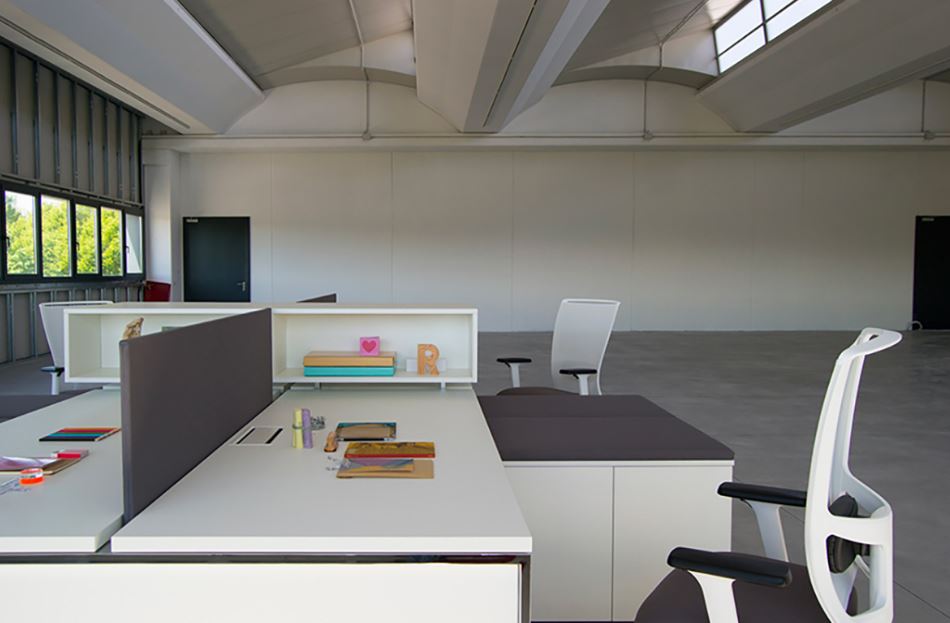
A successful Office Furniture Project requires more than choosing desks and chairs. It involves understanding the available floor area, employee requirements, workflow, storage needs, design preferences, budget, and long-term business goals. For companies in Manila and Quezon City, careful planning is especially important because office spaces can vary significantly in size, layout, building configuration, and workplace requirements. A well-planned furniture project can create a functional environment that supports productivity while maintaining a professional appearance for employees, clients, and visitors.
Understanding an Office Furniture Project
An office furniture project is the planned process of selecting, configuring, supplying, and installing furniture for a workplace. It can involve a small office renovation, a startup workspace, a corporate headquarters, a school administration area, a government office, or a large commercial facility.
The project may include office desks, workstations, ergonomic chairs, conference tables, reception counters, filing cabinets, storage units, pedestals, executive furniture, collaborative tables, and other workplace essentials. Instead of purchasing individual pieces without a clear plan, businesses can consider how every furniture element will work together within the available space.
This approach helps organizations create a consistent office environment while making better use of their investment.
Planning the Office Layout Before Buying Furniture
The office layout should be considered before furniture selections are finalized. Start by measuring the usable floor area and identifying doors, windows, columns, electrical points, emergency exits, and other fixed elements. These details can influence workstation placement and circulation.
The number of employees should also be considered. A company with open-plan workstations may have different requirements from a business that needs private offices for managers, meeting rooms, reception areas, and collaborative spaces.
A practical layout should provide enough room for people to move comfortably between work areas. It should also consider accessibility, storage, meeting requirements, and future expansion.
For businesses in Manila and Quezon City, professional planning can be particularly useful when fitting furniture into existing commercial spaces where every square meter matters.
Choosing Furniture According to Workplace Requirements
Every organization has different furniture requirements. A startup may prioritize flexible workstations and shared meeting areas, while an established corporate office may require executive desks, conference tables, reception furniture, and dedicated departments.
Common furniture categories include:
- Office workstations
- Executive desks
- Staff tables
- Ergonomic office chairs
- Conference tables
- Reception counters
- Filing cabinets
- Mobile pedestals
- Storage cabinets
- Collaborative tables
- Training tables
- Computer desks
Furniture should match the actual activities performed in each department. For example, employees who spend many hours working at computers may need ergonomic seating and properly sized workstations. Meeting rooms may require tables that support communication and presentations, while reception areas need furniture that creates an organized first impression.
Why Ergonomics Matters in Office Furniture
Ergonomics should be an important consideration when planning an office furniture project. Employees spend substantial portions of their working day at desks, so furniture should support comfortable working positions and practical movement.
Adjustable chairs, suitable desk heights, adequate legroom, monitor positioning, and sufficient workspace can all contribute to a more comfortable workstation.
Ergonomic considerations should not be limited to office chairs. The relationship between the chair, desk, computer, monitor, keyboard, and other frequently used equipment should also be considered.
A furniture plan that accounts for employee comfort can create a more practical working environment while helping businesses make thoughtful long-term purchasing decisions.
Making Better Use of Small Office Spaces
Not every business has a large office. Smaller workplaces need furniture that provides functionality without overwhelming the available space.
Compact workstations, mobile pedestals, vertical storage, shared meeting tables, and appropriately sized desks can help organizations use limited floor space efficiently. Modular furniture can also provide flexibility when teams expand or office arrangements change.
For example, a small Manila office may benefit from workstations arranged around a central circulation area rather than using oversized individual desks. A careful layout can provide employees with adequate workspace while maintaining clear pathways.
The objective is not simply to fit more furniture into a room. It is to create a balanced environment where furniture, circulation, storage, and employee needs work together.
Office Furniture for Corporate and Professional Workspaces
Corporate offices often require several furniture zones within one project. These may include reception areas, employee workstations, executive offices, meeting rooms, conference rooms, breakout areas, and storage spaces.
A consistent furniture selection can help create visual continuity across these areas. However, each zone should still serve its specific purpose.
Executive offices may require larger desks and additional storage, while employee areas may benefit from modular workstation systems. Conference rooms need tables and seating that support meetings, presentations, and collaboration.
A coordinated furniture plan allows businesses to address these different requirements as part of one overall project rather than treating every room as an unrelated purchase.
Office Furniture Projects for Startups and Growing Businesses
Startups often need flexibility because their teams and office requirements can change quickly. Buying furniture solely for the current headcount may result in another major furniture investment when the business expands.
Modular workstations and flexible tables can make it easier to reorganize the workplace. Mobile storage can also provide additional flexibility.
Before purchasing, startups should consider their expected growth, available floor area, employee roles, meeting requirements, and future workspace changes. A scalable furniture plan can make future adjustments easier.
Selecting Furniture for Schools, Hospitals, and Government Offices
Office furniture projects are not limited to private businesses. Schools, hospitals, government offices, and other institutions also require carefully planned workplace furniture.
Institutional projects may involve reception desks, administrative workstations, filing systems, meeting tables, staff seating, and specialized storage. Durability, maintenance, functionality, and appropriate space planning can become particularly important in environments with frequent daily use.
Procurement teams should establish clear specifications before comparing suppliers. These specifications can include dimensions, materials, quantity, functionality, warranty requirements, delivery considerations, and installation requirements.
Budgeting for an Office Furniture Project
A realistic budget should consider more than the purchase price of individual furniture pieces. Depending on the project, businesses may also need to account for delivery, installation, layout requirements, accessories, storage, and future maintenance.
Creating a furniture schedule can help procurement teams organize the project. The schedule may list each furniture category, required quantity, dimensions, specifications, and estimated cost.
It is also useful to distinguish between essential furniture and optional additions. This helps businesses prioritize spending without sacrificing the basic functionality of the workplace.
For companies comparing office furniture suppliers in Manila or Quezon City, requesting a detailed quotation based on the actual project requirements can make comparisons more meaningful.
Working With an Office Furniture Supplier
Choosing a supplier involves more than comparing product photographs or individual prices. Businesses should consider product range, customization options, material specifications, delivery capability, installation support, communication, and after-sales service.
A supplier that understands project requirements can help coordinate multiple furniture categories rather than supplying disconnected products.
For larger workplaces, businesses may also benefit from discussing floor plans, workstation quantities, room requirements, delivery schedules, and installation arrangements before placing an order.
Manila Office Furniture Den can be considered as part of this planning process when businesses are looking for office furniture solutions for workplaces in Manila and surrounding areas.
Common Office Furniture Project Mistakes
Several mistakes can create unnecessary costs or workplace problems.
One common mistake is purchasing furniture before measuring the space. Another is choosing furniture based only on appearance without considering ergonomics or daily use.
Businesses may also underestimate storage requirements, overlook meeting spaces, or fail to plan for future employee growth.
Other issues include inconsistent furniture dimensions, insufficient circulation space, inadequate cable management, and ordering without confirming delivery and installation requirements.
A project checklist can help prevent these problems before furniture is purchased.
Office Furniture Project Checklist
Before finalizing a project, businesses can review the following:
- Measure the available office area.
- Determine the number of employees.
- Identify each department’s furniture requirements.
- Plan workstations and circulation paths.
- Identify meeting and collaboration areas.
- Estimate storage requirements.
- Establish a realistic budget.
- Compare furniture specifications.
- Consider ergonomic requirements.
- Check material quality and durability.
- Confirm delivery requirements.
- Confirm installation arrangements.
- Plan for future workplace expansion.
- Request a detailed quotation before ordering.
This checklist can help business owners and procurement teams approach furniture purchasing systematically.
Creating a Professional Workplace in Manila and Quezon City
A carefully planned office can support productivity, organization, employee comfort, and professional presentation. For businesses in Manila and Quezon City, furniture decisions should reflect both the available workspace and the way employees actually use it.
Whether the requirement involves a small startup office, a corporate headquarters, a school administration area, or a large commercial workplace, the same principle applies: furniture should be selected according to function, space, people, and long-term requirements.
Businesses planning an office furniture project can begin by documenting their floor area, employee count, preferred furniture categories, budget range, and timeline. From there, they can discuss suitable configurations and request a project-based quotation.
Frequently Asked Questions
What is an office furniture project?
An office furniture project involves planning, selecting, supplying, and installing furniture according to a workplace’s space, employee, functional, and budget requirements.
What furniture is normally included in an office project?
Common items include workstations, office desks, chairs, conference tables, reception counters, storage cabinets, pedestals, and executive furniture.
How do I plan office furniture for a small workspace?
Start with accurate measurements, determine employee requirements, prioritize essential furniture, maintain clear circulation, and consider compact or modular furniture options.
Should ergonomics be considered when buying office furniture?
Yes. Ergonomic considerations can help businesses select desks and seating that are appropriate for employees’ daily working activities.
Can office furniture be customized?
Many office furniture suppliers offer customization or project-based configurations depending on the furniture type, dimensions, materials, and requirements.
Where can businesses source office furniture in Manila?
Businesses can compare office furniture suppliers based on product specifications, project capabilities, delivery, installation, customization, and after-sales support.
Conclusion
A successful Office Furniture Project starts with planning rather than simply purchasing individual products. By considering space measurements, employee requirements, ergonomics, storage, workflow, budget, durability, and future growth, businesses can create workplaces that are practical and professional.
For companies planning a new office or upgrading an existing workplace in Manila or Quezon City, a project-based approach can make furniture selection more organized and help align the final workspace with actual business needs.

