

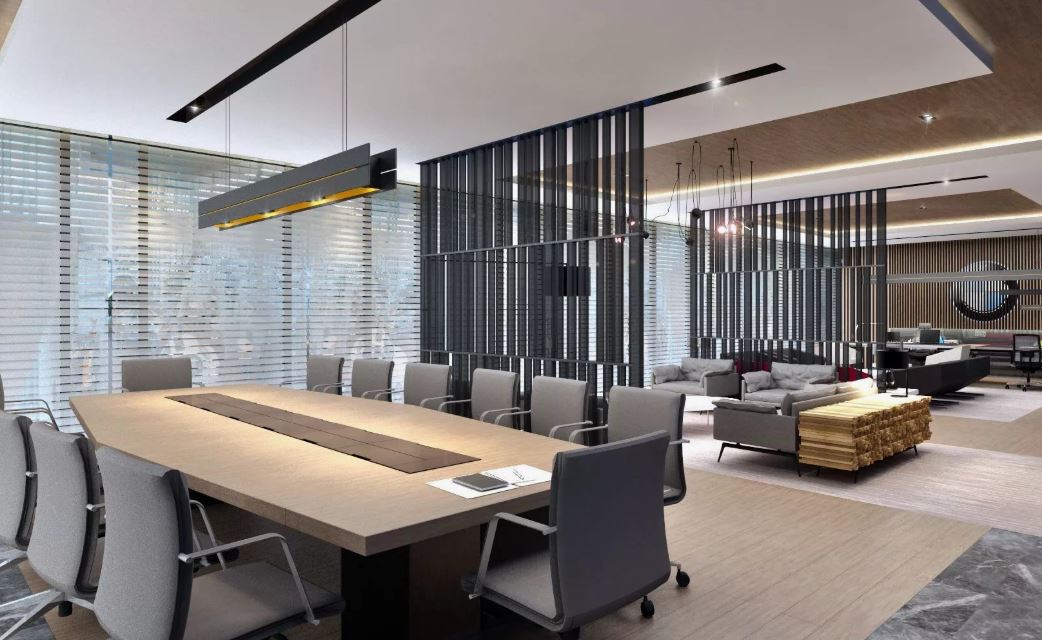
In today’s evolving workplace, office furniture 2026 is more than just a necessity; it is a statement of innovation, comfort, and functionality. Businesses are increasingly recognizing that the right office furniture directly impacts productivity, employee satisfaction, and even brand identity. From ergonomic chairs to modular desks and smart storage solutions, the trends for 2026 are centered around flexibility, sustainability, and cutting-edge design. Companies are now moving away from traditional static office setups and embracing furniture that supports dynamic workstyles, from collaborative open spaces to private focus zones.
Embracing Ergonomics in Office Furniture 2026
One of the most significant shifts in office furniture 2026 is the emphasis on ergonomics. Long hours at a desk can lead to health issues, and businesses are more aware than ever of the need to prioritize employee well-being. Ergonomic chairs with adjustable lumbar support, height-adjustable desks, and flexible seating arrangements are becoming standard. These innovations allow workers to switch between sitting and standing, promoting better posture and reducing strain. The focus on ergonomics goes beyond just comfort—it is now a strategic approach to enhance productivity and reduce workplace fatigue.
Sustainability as a Core Trend
Sustainability is a driving force in office furniture 2026. Companies are actively seeking eco-friendly options that reduce environmental impact without compromising on style or durability. Materials like recycled wood, biodegradable plastics, and low-VOC finishes are increasingly common. Moreover, modular designs that allow furniture to be reconfigured or upgraded extend the lifecycle of office pieces, reducing waste and cost over time. Sustainability in office furniture is no longer a niche concern; it has become a critical component of corporate responsibility and workplace culture.
Technology-Integrated Workspaces
Another defining feature of office furniture 2026 is technology integration. Modern offices are embracing smart furniture with built-in charging stations, wireless connectivity, and even IoT-enabled desks that track usage patterns. Conference tables now feature seamless cable management, integrated screens, and connectivity hubs to facilitate hybrid meetings. These technological enhancements not only streamline workflows but also support the increasingly digital nature of work. Companies that invest in tech-friendly furniture are better positioned to attract and retain top talent who value efficiency and modern work environments.
Flexible and Modular Designs
Flexibility is at the heart of office furniture 2026. Offices are no longer rigid, and furniture must adapt to changing needs. Modular desks, mobile storage units, and movable partitions allow organizations to reconfigure spaces quickly. This adaptability supports diverse work activities, from collaborative brainstorming sessions to individual focused work. Modular solutions also cater to businesses that anticipate growth or frequent office layout changes, ensuring the space remains functional and aesthetically pleasing. By investing in flexible furniture, companies create environments that encourage creativity, communication, and collaboration.
Biophilic Design in the Workplace
Incorporating elements of nature into office spaces is a prominent trend in office furniture 2026. Biophilic design, which emphasizes natural light, indoor plants, and organic materials, enhances employee well-being and productivity. Desks and seating made from natural wood, planters integrated into workstations, and partitions that allow sunlight to filter through create a sense of connection to the environment. Studies consistently show that biophilic workspaces reduce stress and increase focus, making this approach an essential consideration in modern office design.
Aesthetic and Branding Considerations
Office furniture in 2026 also plays a key role in expressing a company’s brand identity. From color schemes to design motifs, furniture choices reflect corporate culture and values. Sleek, minimalist designs convey modernity and efficiency, while vibrant, playful pieces can inspire creativity and innovation. Even common areas such as reception spaces and breakout zones benefit from thoughtfully selected furniture that aligns with brand messaging. Businesses understand that the visual impact of their office contributes to both employee morale and the impression made on clients or visitors.
Health and Wellness Integration
The integration of health and wellness into office furniture 2026 is another defining trend. Adjustable desks, sit-stand workstations, and ergonomic seating options encourage movement and reduce sedentary behavior. Additionally, wellness-focused furniture may include supportive seating for meditation or relaxation areas and acoustic panels to minimize noise stress. By creating spaces that nurture physical and mental well-being, companies can improve focus, collaboration, and overall employee satisfaction. Health-conscious design is not just a trend but a long-term investment in workforce productivity and retention.
Color and Material Trends
Color and material selection in office furniture 2026 is guided by both aesthetics and psychology. Soft, neutral tones promote calmness, while bold colors in collaborative spaces stimulate creativity and energy. Materials are chosen not only for durability but also for their environmental footprint and sensory appeal. Textured fabrics, natural woods, and sustainable composites create a tactile and visually engaging environment. Attention to these details enhances employee experience, making workplaces more inviting and conducive to high performance.
Preparing for Hybrid Work Models
Hybrid work models have reshaped office dynamics, and office furniture 2026 reflects this change. Companies now invest in versatile furniture that accommodates both in-office and remote collaboration. Hot-desking solutions, flexible seating arrangements, and mobile workstations ensure employees have the tools they need regardless of location. Meeting rooms are equipped with adaptable tables, comfortable seating, and integrated technology to support hybrid meetings. Furniture that caters to hybrid work fosters seamless transitions and maintains productivity across diverse work arrangements.
Conclusion: Investing in the Future with Manila Office Furniture Den
As we move into the next era of workplace design, office furniture 2026 is defined by ergonomics, sustainability, flexibility, and technological integration. Forward-thinking companies are investing in furniture that supports employee well-being, enhances productivity, and reflects brand identity. From modular desks to biophilic elements and tech-enabled solutions, every piece contributes to creating an efficient and inspiring work environment. For organizations looking to stay ahead of the curve and transform their workspace, Manila office furniture den offers innovative and high-quality solutions that align with these emerging trends.

