 Skip to content
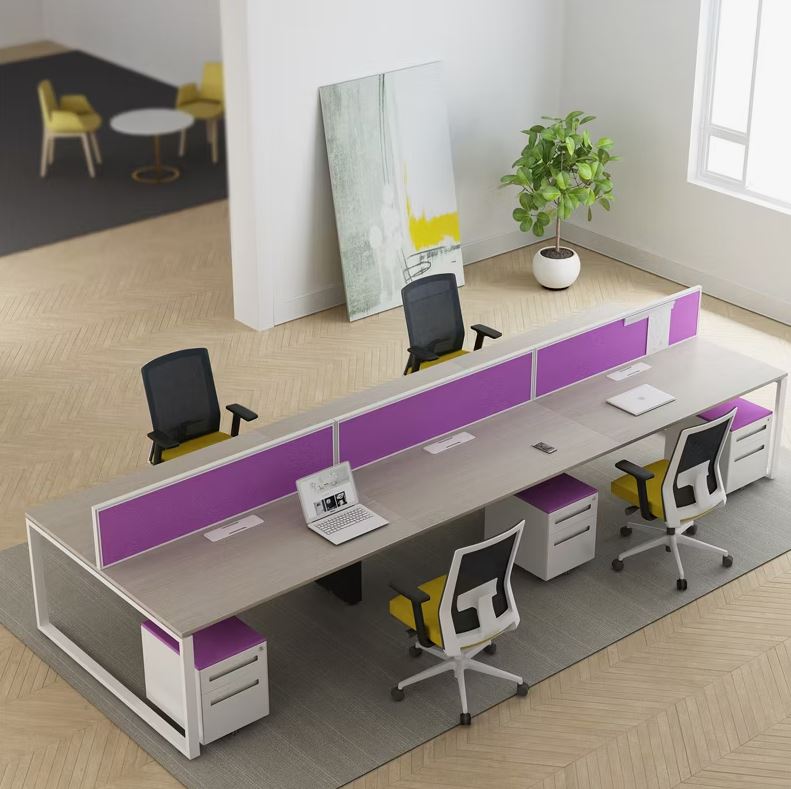
When it comes to creating an efficient and comfortable workspace, choosing the best office furniture is a decision that can significantly impact productivity and employee satisfaction. The right furniture not only provides ergonomic support but also reflects the professionalism and style of your office environment. Many businesses underestimate the importance of investing in quality office furniture, focusing only on aesthetics rather than functionality. However, modern offices demand a balance between design, comfort, and utility. Selecting desks, chairs, storage units, and collaborative workstations that are ergonomically sound can reduce fatigue, enhance focus, and improve overall workplace morale. Companies in major cities are increasingly aware of the benefits of high-quality furniture, recognizing that the right setup contributes to both employee well-being and organizational efficiency.
Key Considerations When Choosing Office Furniture
Before purchasing the best office furniture, there are several factors to consider to ensure your office space is both functional and appealing. The first consideration is ergonomics. Adjustable chairs, desks of appropriate height, and supportive seating are essential to reduce strain and prevent long-term health issues. Durability is another important factor. Investing in furniture made from high-quality materials ensures that your office setup can withstand daily use and last for years without frequent replacements. Aesthetic appeal should not be overlooked either, as the look and feel of an office influence client impressions and employee satisfaction. Additionally, storage solutions such as pedestals, filing cabinets, and shelving must be chosen strategically to maintain a clutter-free and organized workspace. Businesses should also consider modular or flexible furniture that can adapt to evolving office layouts and collaborative needs.
How Ergonomic Design Enhances Productivity
One of the key benefits of the best office furniture is its ergonomic design. Ergonomic chairs provide lumbar support and adjustable features that accommodate various body types, reducing the risk of back pain and posture-related issues. Ergonomic desks, including sit-stand models, allow employees to alternate between sitting and standing, promoting better circulation and energy levels throughout the day. Even small adjustments, such as keyboard trays and monitor stands, contribute significantly to employee comfort and efficiency. Studies consistently show that employees who work in ergonomically optimized environments report higher productivity, fewer health complaints, and greater overall satisfaction. For businesses seeking long-term gains, investing in ergonomic furniture is not just an expense but a strategic move to enhance workforce performance.
Office Furniture for Collaboration and Teamwork
Modern office environments prioritize collaboration and communication. Choosing the best office furniture for shared spaces is essential to foster teamwork. Collaborative furniture, such as modular tables, mobile whiteboards, and flexible seating arrangements, encourages interaction and brainstorming among team members. Open-plan workspaces benefit from ergonomic chairs and desks that can be easily reconfigured to support group projects or private work when needed. In addition to functionality, these pieces must also maintain a cohesive aesthetic that reflects the company’s brand and culture. When furniture supports collaboration without compromising comfort or style, employees are more likely to engage actively, share ideas, and contribute to a positive work environment.
Selecting Quality Office Desks
A desk is the centerpiece of any office, and selecting the best office furniture means paying close attention to desk design. Executive desks, workstation desks, and height-adjustable desks should offer ample surface space while maintaining durability and style. Consider desks with built-in cable management solutions to reduce clutter and maintain a professional appearance. For shared offices, modular desks allow flexibility to accommodate different working styles and team configurations. The material of the desk, whether solid wood, engineered wood, or metal, impacts both durability and aesthetics. Investing in high-quality desks is crucial, as they support not only daily tasks but also the long-term ergonomics and functionality of the office space.
Office Chairs That Combine Comfort and Style
Office chairs are more than just seating—they are a critical component of the best office furniture. High-quality chairs offer adjustable height, lumbar support, armrests, and breathable materials to provide comfort during extended working hours. Executive chairs should combine elegance with ergonomic features, while task chairs focus on mobility and support for dynamic work environments. Mesh chairs are popular for their ventilation and comfort, whereas cushioned chairs provide additional support for long hours of sitting. Investing in chairs that prioritize comfort and posture prevents fatigue, enhances focus, and ultimately contributes to a productive and healthy workforce.
Storage Solutions for an Organized Office
Cluttered workspaces can hinder efficiency and increase stress. Incorporating the best office furniture means selecting storage solutions that are both functional and stylish. Filing cabinets, pedestal units, and shelving systems help keep documents, office supplies, and personal items organized. Modular storage systems allow offices to adapt as the team grows or needs change, providing a long-term solution to workspace organization. By integrating storage seamlessly into the office design, employees can maintain tidy work areas, access materials quickly, and focus on their tasks without distractions.
Enhancing Office Aesthetics with Furniture
While functionality is crucial, the aesthetic appeal of the best office furniture also plays a major role in shaping office culture. Sleek, modern furniture communicates professionalism to clients and creates a welcoming environment for employees. Color schemes, materials, and furniture design can influence mood and creativity. Investing in furniture that balances style and utility helps establish an office identity that aligns with company values and goals. Whether it’s minimalist designs for a tech startup or classic wooden furniture for a law firm, the right pieces elevate the entire office experience.
Conclusion
Choosing the best office furniture is a strategic investment that impacts employee well-being, productivity, and overall office aesthetics. By considering ergonomics, durability, collaboration, and storage, businesses can create workspaces that support both comfort and efficiency. For companies looking to enhance their office environment with quality furniture, Manila office furniture den offers a wide selection of ergonomic and stylish solutions designed to meet modern office demands. Investing in high-quality office furniture is not just about furnishing a space—it’s about creating an environment where employees can thrive and organizations can succeed.

