 Skip to content
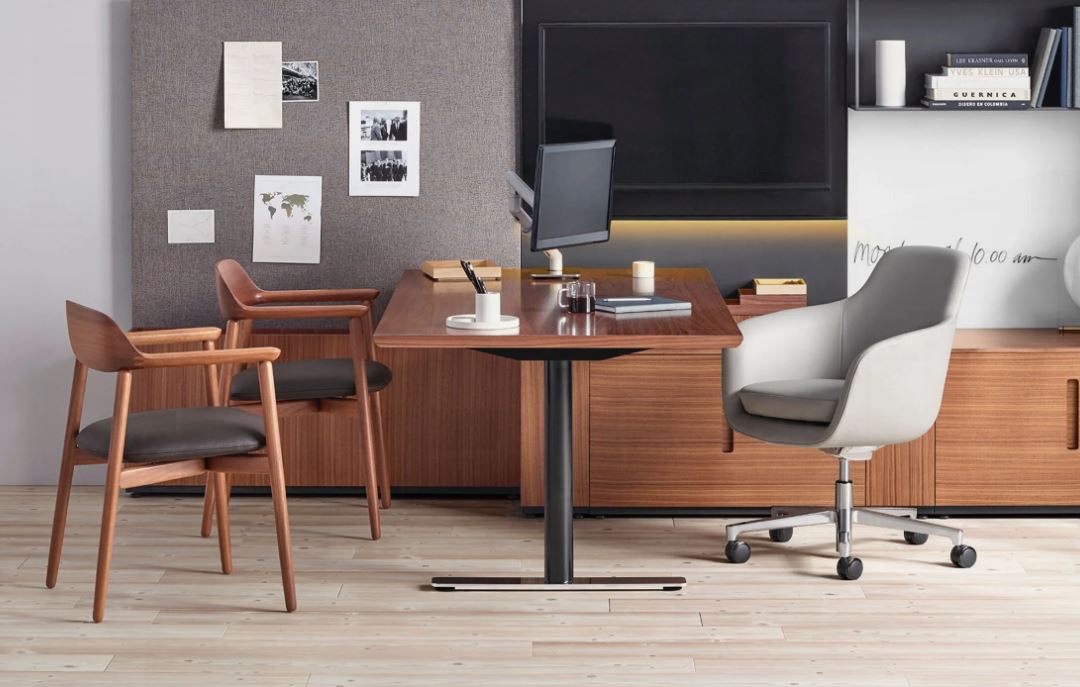
Creating a productive workplace starts with selecting the best office furniture that supports comfort, efficiency, and professional appearance. Office environments today are no longer limited to basic desks and chairs; they are designed to encourage collaboration, creativity, and long working hours without discomfort. When businesses invest in quality furniture, they improve employee satisfaction and reduce physical strain caused by poor posture. A well-planned workspace also reflects a company’s identity, making a strong impression on clients and visitors. From ergonomic seating to functional storage solutions, every element contributes to how employees perform daily tasks and how smoothly operations run. Modern companies understand that furniture is not simply decoration; it is a long-term investment that directly impacts productivity and workplace culture.
Key Features That Define the Best Office Furniture
The best office furniture combines functionality, durability, and ergonomic design. Ergonomics plays a major role because employees spend many hours seated or working at desks. Adjustable chairs, supportive backrests, and desks designed at proper heights help prevent fatigue and improve focus. Materials also matter greatly; high-quality wood, metal frames, and durable laminates ensure long-lasting performance even in busy offices. Another essential feature is flexibility. Modular desks and adaptable workstations allow businesses to rearrange layouts as teams grow or change. Storage options such as cabinets and shelves help maintain organization, reducing clutter and improving workflow efficiency. Furniture that balances style with practicality helps offices maintain a clean and professional look while supporting everyday tasks.
How Office Furniture Influences Employee Productivity
Workplace productivity is closely connected to physical comfort and mental well-being. When employees work with the best office furniture, they experience fewer distractions caused by discomfort or disorganization. Ergonomic chairs reduce back and neck strain, allowing workers to concentrate longer without breaks caused by fatigue. Proper desk layouts also encourage smoother movement and communication among team members. A comfortable environment improves morale, and motivated employees naturally perform better. Additionally, organized furniture arrangements minimize wasted time spent searching for documents or equipment. Businesses that prioritize furniture quality often notice improved collaboration, reduced absenteeism, and better overall performance across departments.
Designing Office Layouts with Smart Furniture Choices
Selecting furniture is not only about individual pieces but also about how they fit together within a workspace. The best office furniture supports efficient layouts that maximize available space. Open-plan offices benefit from modular workstations that encourage teamwork while maintaining personal space. Private offices require executive desks and comfortable visitor seating to create a professional atmosphere. Reception areas should feature welcoming furniture that reflects the brand’s image. Smart layout planning ensures proper movement flow, adequate lighting access, and reduced noise distractions. Businesses should evaluate their daily operations before choosing furniture to ensure every item serves a clear purpose. Thoughtful design leads to better space utilization and improved workplace harmony.
Importance of Storage Solutions in Modern Offices
Storage plays a crucial role in maintaining an organized workspace. Even the best office furniture loses effectiveness if clutter takes over the environment. Filing cabinets, mobile pedestals, and shelving systems help keep documents and supplies accessible yet neatly arranged. Modern offices often prefer compact storage solutions that save space while offering maximum capacity. Vertical storage units are especially useful for smaller offices, allowing businesses to maintain order without sacrificing floor space. Organized storage also enhances professionalism, as clients and employees feel more confident in a tidy environment. Effective storage solutions contribute to smoother workflows and reduce stress caused by messy work areas.
Balancing Style and Professional Appearance
Aesthetic appeal is an important factor when choosing office furniture because it shapes first impressions. The best office furniture blends modern design with professional elegance. Neutral tones, sleek finishes, and coordinated furniture sets create visual harmony throughout the workspace. Stylish furniture enhances brand perception and makes offices feel more welcoming. Employees also feel more motivated when they work in visually appealing environments. While style is important, it should never compromise comfort or functionality. Businesses should aim for furniture that reflects professionalism while maintaining practicality for everyday use. A well-designed office communicates reliability and attention to detail to both staff and clients.
Long-Term Value and Cost Efficiency
Investing in high-quality furniture may seem costly initially, but it provides long-term financial benefits. The best office furniture lasts longer, reducing the need for frequent replacements or repairs. Durable materials withstand daily wear and maintain their appearance over time. Ergonomic designs also help prevent workplace injuries, which can lower healthcare costs and improve employee retention. Cheap furniture often leads to hidden expenses due to discomfort, damage, or inefficiency. Businesses that focus on value rather than price alone ultimately save money while creating a better work environment. Long-term planning ensures that furniture continues to support company growth without constant upgrades.
Choosing the Right Office Furniture Stores
Finding reliable stores is essential when searching for quality office furniture. Reputable stores provide a wide range of options, allowing businesses to compare designs, materials, and features before making decisions. Experienced suppliers also offer professional guidance based on workspace needs and layout requirements. Trusted stores focus on customer satisfaction, offering warranties and after-sales support that ensure peace of mind. Businesses should look for stores known for consistent quality and transparent pricing. Visiting well-established furniture stores allows buyers to test comfort levels and evaluate build quality firsthand, which helps in making confident purchasing decisions.
Creating a Future-Ready Workspace
Workplaces continue to evolve with changing technology and hybrid work models. The best office furniture supports adaptability, allowing offices to adjust to new working styles. Height-adjustable desks, collaborative tables, and flexible seating arrangements help accommodate both individual and team activities. Future-ready offices focus on comfort, technology integration, and efficient space management. Investing in adaptable furniture ensures businesses remain prepared for expansion or restructuring. Companies that plan ahead create environments where employees feel supported and motivated, ultimately strengthening long-term success.
Conclusion: Building Better Workspaces with Smart Furniture Choices
Choosing the best office furniture is one of the most important decisions a business can make when designing or upgrading a workspace. Quality furniture enhances productivity, supports employee health, improves organization, and strengthens brand image. From ergonomic seating to efficient storage and stylish layouts, every detail contributes to a functional and inspiring environment. Businesses that purchase from trusted stores and focus on durability gain lasting value and workplace satisfaction. By making thoughtful furniture investments, companies create offices that encourage performance, comfort, and growth — a philosophy proudly supported by Manila office furniture den.

