 Skip to content
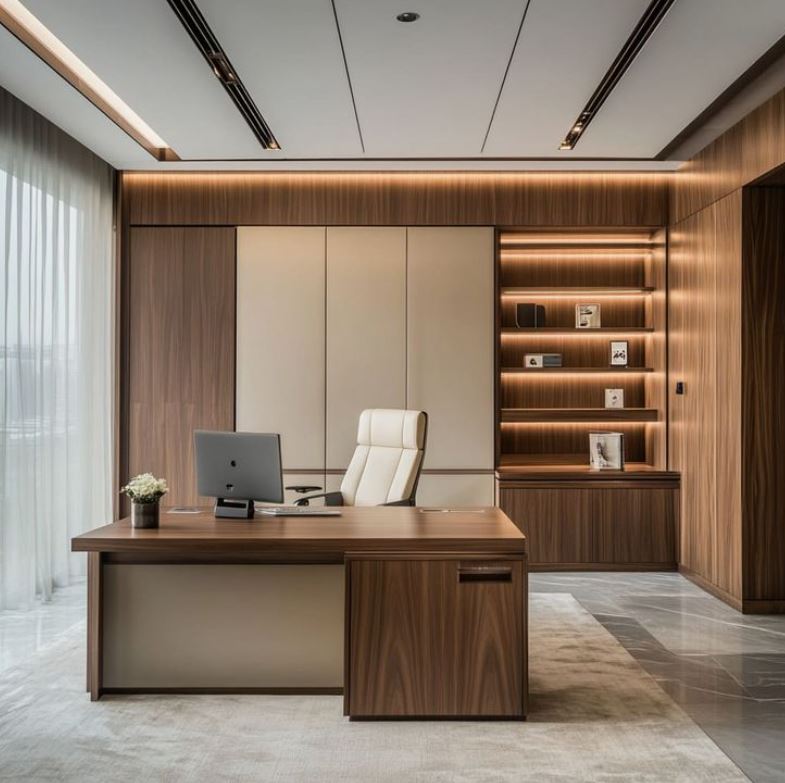
Creating a productive workplace starts with choosing the right office furniture designs that match both functionality and visual appeal. Today’s offices are no longer simple rooms filled with desks and chairs. Instead, they are carefully planned environments where comfort, collaboration, and efficiency work together. Businesses now understand that workspace design directly affects employee performance, motivation, and even client impressions. When companies invest in thoughtful layouts and ergonomic furniture, they create an atmosphere that encourages creativity and focus. From open-plan offices to private executive rooms, every space benefits from furniture that supports daily workflows while maintaining a professional look.
Modern planning also considers flexibility. Offices grow and change over time, so furniture must adapt easily. Modular desks, movable storage units, and adjustable seating allow businesses to rearrange layouts without major expenses. As a result, organizations can respond quickly to team expansion or new working styles while maintaining consistency in their overall design theme.
The Role of Ergonomics in Office Furniture Selection
Ergonomics plays a crucial role in selecting effective office furniture. Employees spend long hours sitting, typing, and attending meetings, which makes comfort essential for health and productivity. Well-designed chairs with lumbar support, adjustable armrests, and proper seat height reduce fatigue and prevent long-term physical strain. Similarly, height-adjustable desks help employees switch between sitting and standing positions, improving posture and energy levels throughout the day.
High-quality office furniture designs focus on supporting natural body movement. When workers feel comfortable, they remain focused longer and experience fewer distractions caused by discomfort. Moreover, ergonomic furniture reduces absenteeism by minimizing work-related injuries. Businesses that prioritize employee wellness often notice improved morale and stronger team performance. Therefore, ergonomic considerations should never be viewed as optional but as a necessary investment in workplace success.
Blending Aesthetics with Functionality
A visually appealing office environment creates a lasting impression on both employees and visitors. However, beauty alone is not enough. The best office setups balance aesthetics with functionality. Sleek desks, coordinated storage solutions, and modern seating arrangements can enhance brand identity while maintaining practicality.
Color selection also plays an important role. Neutral tones create calm and professional spaces, while accent colors add energy and creativity. Many contemporary office furniture designs combine natural textures such as wood finishes with modern materials like metal and glass. This blend creates a timeless appearance that remains stylish for years. Additionally, well-designed furniture helps maintain organization by offering smart storage features that reduce clutter and improve workflow efficiency.
Space Optimization for Growing Businesses
Office space is often limited, especially in busy commercial areas. Smart furniture solutions help businesses maximize available space without sacrificing comfort. Compact desks, vertical storage cabinets, and multi-functional workstations allow teams to operate efficiently even in smaller offices.
Open layouts supported by flexible office furniture designs encourage collaboration while maintaining individual work zones. Partition panels, shared worktables, and collaborative seating areas make communication easier among employees. At the same time, quiet corners with comfortable chairs provide areas for focused tasks. Efficient space planning ensures that every square foot contributes to productivity rather than feeling overcrowded or underutilized.
Collaborative Work Areas and Modern Trends
Work culture has shifted toward teamwork and communication. As a result, offices now include collaborative zones designed for brainstorming and group discussions. Comfortable lounge seating, shared desks, and informal meeting areas help employees exchange ideas naturally. These spaces reduce the need for formal meeting rooms and promote spontaneous creativity.
Modern office furniture designs often include mobile furniture pieces that can be rearranged quickly. Rolling chairs, foldable tables, and modular seating systems allow teams to customize spaces according to project needs. Technology integration is another growing trend. Furniture now includes cable management systems, built-in charging ports, and smart connectivity features that support digital workflows seamlessly.
Storage Solutions That Improve Organization
An organized office environment directly impacts efficiency. Cluttered desks and scattered documents slow down daily operations and create unnecessary stress. Smart storage solutions help maintain order while complementing overall office aesthetics. Filing cabinets, mobile pedestals, and shelving systems ensure that essential materials remain accessible without occupying valuable workspace.
Innovative office furniture designs now focus on hidden storage compartments and minimalist layouts. These designs maintain a clean appearance while providing sufficient storage capacity. Organized offices not only improve productivity but also create a professional atmosphere that builds confidence among clients and visitors. When everything has a designated place, employees spend less time searching and more time accomplishing tasks.
Sustainability and Long-Term Value
Sustainability has become an important factor in office planning. Many businesses now prefer eco-friendly furniture made from responsibly sourced materials. Durable construction reduces the need for frequent replacements, which saves money and minimizes environmental impact. Investing in long-lasting furniture is both an economical and responsible decision.
Sustainable office furniture designs often use recyclable materials and low-emission finishes that improve indoor air quality. Additionally, timeless designs prevent furniture from becoming outdated quickly. Instead of constantly replacing items to follow trends, businesses can maintain a consistent and professional look for years. This approach supports environmental responsibility while delivering long-term value.
Creating a Positive Employee Experience
Employees perform best in environments where they feel comfortable and valued. Office furniture plays a significant role in shaping daily experiences at work. Comfortable seating, functional desks, and thoughtfully designed meeting areas help employees stay engaged and motivated. A well-designed workspace communicates that a company cares about its team’s well-being.
Modern office furniture designs also support different working styles. Some employees prefer quiet individual workspaces, while others thrive in collaborative environments. Providing a variety of furniture options allows everyone to work in ways that suit them best. This flexibility leads to improved satisfaction, stronger teamwork, and higher productivity levels across the organization.
Conclusion: Investing in the Right Office Environment
Choosing the right office furniture is more than a design decision; it is a strategic investment in productivity, comfort, and brand image. Businesses that prioritize quality layouts, ergonomic features, and adaptable solutions create workspaces that support both employees and long-term growth. By selecting practical yet stylish office furniture designs, companies can build environments that inspire creativity, improve efficiency, and leave lasting impressions. For organizations looking to upgrade their workplace with reliable and modern solutions, Manila office furniture den offers options that align functionality with professional design standards.

