
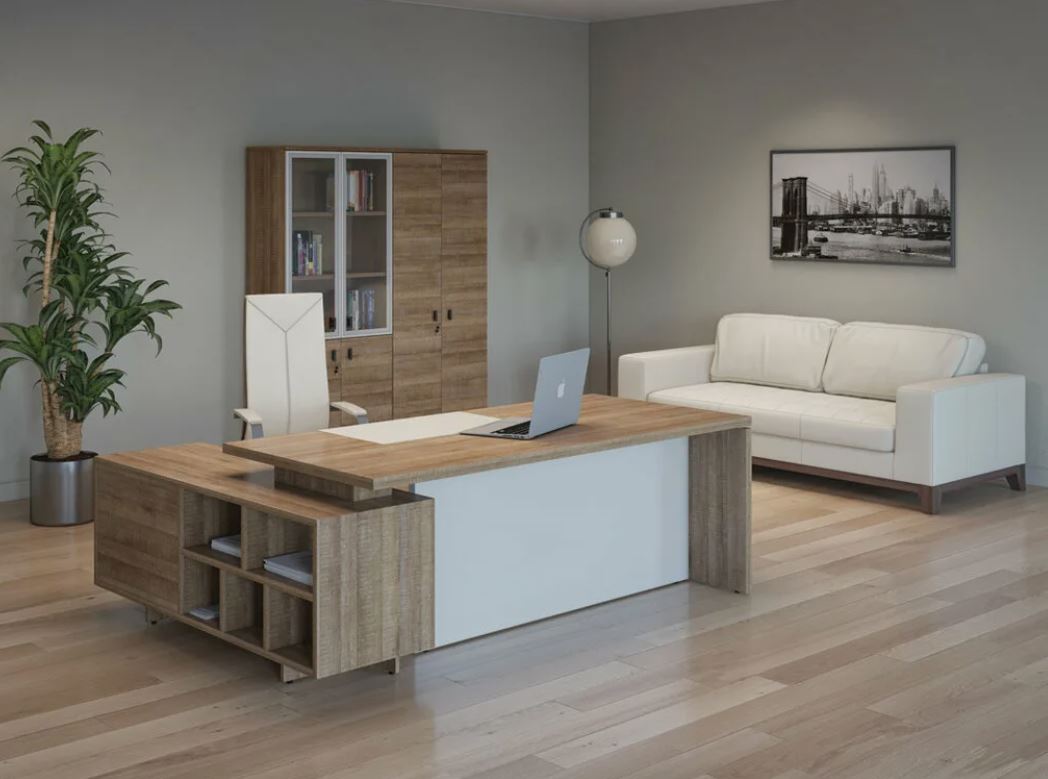
Creating an efficient and productive work environment begins with the right workspace office furniture. The furniture you choose can influence not only the aesthetics of your office but also the comfort, motivation, and efficiency of your team. In modern workplaces, the focus has shifted from purely functional setups to designs that promote wellness, collaboration, and flexibility. Choosing furniture that supports ergonomic health, encourages proper posture, and facilitates workflow is essential for any business, whether it’s a corporate office, a co-working space, or a home office setup.
The market for workspace office furniture is diverse, offering a wide range of options such as adjustable desks, ergonomic chairs, modular workstations, storage solutions, and accessories. Each piece should be selected with attention to both functionality and style, ensuring that the workspace reflects the company’s values while supporting the physical well-being of employees. For instance, adjustable height desks allow staff to alternate between sitting and standing, reducing the risk of sedentary-related health issues while also increasing focus and energy levels throughout the workday.
Benefits of Investing in Quality Workspace Office Furniture
Investing in high-quality workspace office furniture offers numerous benefits beyond aesthetics. Firstly, ergonomic designs improve employee comfort, reducing back pain, neck strain, and fatigue. This directly correlates with higher productivity and lower absenteeism rates. Secondly, a well-organized workspace with functional storage options and modular layouts enables smoother workflow, ensuring that essential tools and documents are easily accessible. This can reduce time wasted looking for materials and enhance overall efficiency.
Moreover, modern furniture is designed to support collaboration and communication within teams. Open-plan layouts with flexible partitions, mobile storage units, and shared desk solutions encourage interaction while maintaining privacy when needed. Even small spaces can be optimized with compact desks, stackable chairs, and vertical storage systems, allowing businesses to maximize their office footprint without compromising comfort or style. The right furniture also contributes to a professional environment that impresses clients and boosts employee morale.
Choosing the Right Workspace Office Furniture
Selecting the right workspace office furniture requires a careful balance between style, functionality, and ergonomics. Before making a purchase, assess the specific needs of your workspace, including the number of employees, available square footage, and type of work conducted. For example, tech companies may prioritize sit-stand desks and cable management solutions, while design studios might focus on collaborative tables and flexible seating options.
Material quality is also a crucial factor. Durable wood, metal, and high-grade plastics ensure longevity, making your investment cost-effective in the long run. Additionally, furniture finishes and colors should complement your office decor while creating a professional yet welcoming atmosphere. Ergonomic chairs with adjustable lumbar support, breathable fabric, and cushioned seating are ideal for promoting comfort during long working hours. Consider desks with built-in storage drawers or shelves to reduce clutter and maintain a clean, organized workspace.
Trending Designs in Workspace Office Furniture
The latest trends in workspace office furniture focus on flexibility, technology integration, and wellness. Modular furniture systems allow offices to reconfigure layouts based on changing needs, from individual desks to collaborative zones. Standing desks with digital height adjustment and integrated power outlets are becoming increasingly popular, supporting both productivity and ergonomic health. Additionally, multi-functional storage units and compact designs are gaining traction, particularly in urban offices where space is limited.
Sustainable materials are also a growing trend, as companies prioritize eco-friendly furniture that reduces environmental impact. Recycled wood, bamboo, and low-VOC finishes not only contribute to a greener workplace but also create a more inviting and natural office environment. Incorporating biophilic design elements, such as desks near natural light or greenery, further enhances well-being, reduces stress, and promotes creativity among employees.
How Workspace Office Furniture Impacts Productivity
The relationship between workspace office furniture and productivity is significant. Comfortable seating, properly positioned desks, and organized layouts enable employees to focus on tasks without physical discomfort or distractions. Collaborative furniture, such as round tables and movable chairs, encourages teamwork and the free exchange of ideas, which can lead to innovative solutions. On the other hand, cluttered or poorly designed offices can hinder workflow, increase stress, and lead to lower job satisfaction.
In addition to physical design, furniture that supports technology integration is essential in today’s digital workplaces. Desks with cable management systems, built-in charging stations, and space for multiple monitors allow employees to work efficiently and reduce downtime caused by technical difficulties. By prioritizing ergonomics, organization, and flexibility, businesses can create a workspace that maximizes performance, keeps employees motivated, and fosters a positive office culture.
Tips for Maintaining Workspace Office Furniture
Maintaining workspace office furniture is key to ensuring durability and preserving a professional appearance. Regular cleaning with appropriate materials helps prevent stains, scratches, and dust accumulation. For wooden furniture, use gentle polishes and avoid excessive moisture, while metal and plastic surfaces can be wiped with mild detergents. Additionally, periodically inspect ergonomic chairs, desks, and storage units for loose screws or worn-out parts to prevent accidents and maintain comfort.
Proper placement and care also extend the life of your office furniture. Avoid placing furniture directly under harsh sunlight, which can cause fading or warping, and ensure weight limits are observed for shelves and storage units. Encouraging employees to organize personal and shared spaces responsibly not only keeps the office tidy but also fosters a culture of respect and accountability. With consistent maintenance, your investment in quality workspace furniture will continue to support a productive and appealing office environment for years.
Choosing a Reliable Supplier for Workspace Office Furniture
Selecting a trusted supplier is crucial when investing in workspace office furniture. Look for stores that offer a wide variety of options, customizable solutions, and knowledgeable staff who can guide you through the selection process. Online reviews, customer testimonials, and product warranties can also help gauge reliability and product quality. Reputable stores often provide delivery and assembly services, saving time and ensuring that furniture is set up correctly to meet ergonomic standards.
Additionally, consider stores that stay updated with current office trends, ergonomic innovations, and sustainability practices. A supplier that understands the importance of workspace design can help businesses create offices that are not only functional but also inspire employees and leave a lasting impression on clients.
Conclusion
Investing in the right workspace office furniture transforms an office from a simple working area into a productive, comfortable, and inspiring environment. From ergonomic chairs and adjustable desks to modular workstations and stylish storage solutions, the choices you make impact employee wellness, efficiency, and overall business performance. By prioritizing functionality, aesthetics, and durability, businesses can create offices that support long-term growth and success. For companies looking for high-quality and versatile options, Manila office furniture den offers a curated selection of furniture that balances comfort, style, and practicality, helping offices achieve both professional appeal and optimal productivity.
