

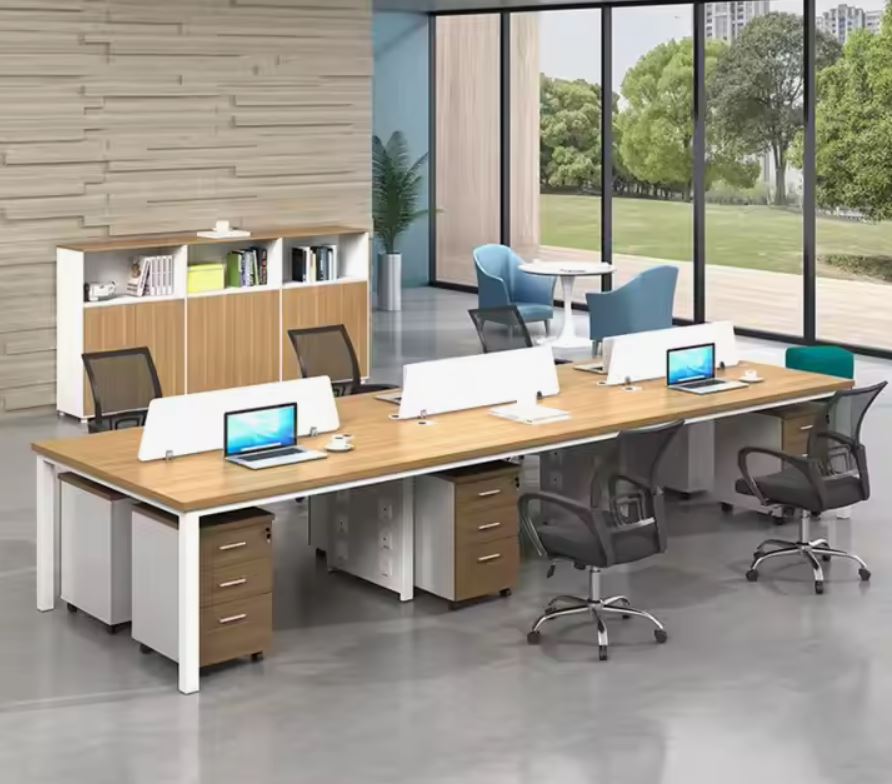
Interior design office furniture plays a crucial role in shaping productive, comfortable, and visually appealing work environments. In today’s fast-changing corporate world, offices are no longer just places to work; they are spaces that reflect brand identity, improve employee performance, and encourage creativity. Choosing the right furniture is not only about filling a room but about designing an atmosphere where efficiency and comfort work together. Businesses that invest in well-planned office interiors experience better workflow, improved employee satisfaction, and a stronger professional image.
When designing a workspace, the focus should always be on balance between aesthetics and functionality. Modern offices require furniture that supports long working hours while maintaining a clean and organized look. This is where interior design office furniture becomes essential, as it integrates ergonomics, design principles, and space optimization into one unified concept.
Importance Of Interior Design Office Furniture In Workspaces
The importance of interior design office furniture lies in its ability to transform ordinary offices into high-performing environments. Furniture directly affects how employees feel and work throughout the day. Poor seating, cluttered desks, and unorganized layouts can lead to discomfort, distraction, and reduced productivity. On the other hand, thoughtfully designed furniture improves posture, reduces stress, and creates a more professional atmosphere.
Modern organizations understand that office interiors are also part of their branding. Clients and visitors often judge a company based on how its workspace looks and feels. Clean layouts, stylish desks, and ergonomic seating reflect professionalism and attention to detail. Therefore, investing in quality office design is not just an expense but a long-term business strategy.
Key Elements Of Modern Office Furniture Design
Successful interior design office furniture focuses on several essential elements that contribute to a functional workspace. One of the most important aspects is ergonomics. Chairs and desks must support natural posture to reduce physical strain during long working hours. Adjustable chairs, height-flexible desks, and properly aligned workstations are now standard in modern offices.
Another key element is flexibility. Workspaces today require adaptable furniture that can be rearranged based on team size or project needs. Modular desks and mobile storage units are popular choices because they allow easy reconfiguration without major effort.
Aesthetic appeal is also crucial. Office furniture should match the brand identity and interior theme of the company. Whether it is a minimalist design or a more executive style, consistency in design creates a visually appealing environment that enhances focus and professionalism.
Choosing The Right Furniture Stores In Philippines
Selecting reliable stores is an important step when investing in office interiors. Many businesses in the Philippines look for trusted suppliers who offer both quality and variety. The right stores provide durable materials, modern designs, and customizable options that fit different office sizes and requirements.
When choosing stores, it is important to evaluate product quality, customer service, and installation support. Good suppliers offer complete solutions, including layout planning and after-sales service. This ensures that businesses get value for their investment and long-lasting office setups.
In cities like Quezon City and Metro Manila, demand for modern office setups is increasing rapidly. Therefore, choosing experienced stores that understand interior design office furniture trends is essential for creating competitive and efficient workplaces.
Trends In Interior Design Office Furniture
The world of interior design office furniture is constantly evolving. One of the biggest trends is the shift toward open office layouts. These designs encourage collaboration and communication among employees while reducing unnecessary barriers.
Another growing trend is the use of multifunctional furniture. Desks with built-in storage, foldable meeting tables, and space-saving cabinets are becoming increasingly popular in modern offices. These designs help maximize limited space without compromising functionality.
Minimalist design is also dominating modern office interiors. Clean lines, neutral colors, and clutter-free setups create a calm and focused working environment. Additionally, technology integration is now a key feature, with furniture designed to support cables, devices, and smart office systems seamlessly.
Space Planning And Ergonomics In Office Design
Effective space planning is a critical part of interior design office furniture. A well-planned office ensures smooth movement, better collaboration, and efficient use of available space. Every workstation should be designed to provide comfort while maintaining enough distance to avoid overcrowding.
Ergonomics plays a major role in reducing workplace fatigue and long-term health issues. Chairs with lumbar support, adjustable armrests, and proper desk heights help employees maintain good posture. Lighting also complements furniture design, ensuring that workspaces are well-lit and comfortable for extended use.
Proper space utilization also improves productivity. When employees have organized and well-structured workstations, they can focus better and complete tasks more efficiently. This makes ergonomic planning a vital part of modern office design strategies.
Materials, Colors, And Sustainability In Office Furniture
The choice of materials in interior design office furniture greatly affects durability and appearance. Wood, metal, and engineered materials are commonly used for their strength and long lifespan. High-quality materials ensure that furniture remains functional and visually appealing for years.
Color selection also plays a psychological role in office environments. Neutral tones like white, grey, and beige create a calm atmosphere, while subtle accent colors can add energy and creativity. The right combination of colors can significantly influence employee mood and productivity.
Sustainability is another important factor in modern office design. Many businesses now prefer eco-friendly furniture made from recyclable materials. This not only reduces environmental impact but also enhances the company’s reputation as a responsible organization.
Buying Guide For Interior Design Office Furniture
When investing in interior design office furniture, businesses should consider several important factors. First, always measure office space accurately before purchasing furniture. This ensures proper fit and avoids overcrowding.
Second, prioritize comfort and ergonomics over design alone. While aesthetics are important, employee well-being should always come first. Third, choose furniture that is durable and easy to maintain, as office setups are long-term investments.
Lastly, work with reliable suppliers who understand modern office needs. Experienced stores can provide valuable guidance on layout planning, furniture selection, and installation support, ensuring a smooth and efficient setup process.
Conclusion
In conclusion, interior design office furniture is a key factor in building productive, comfortable, and visually appealing workspaces. From ergonomic seating to modern layouts and sustainable materials, every detail contributes to the overall success of an office environment. Businesses that invest in thoughtful design not only improve employee performance but also strengthen their brand identity. Choosing the right stores ensures access to quality products and professional support throughout the process. A well-designed workspace supported by a trusted provider like Manila office furniture den can significantly enhance both efficiency and workplace satisfaction.

