

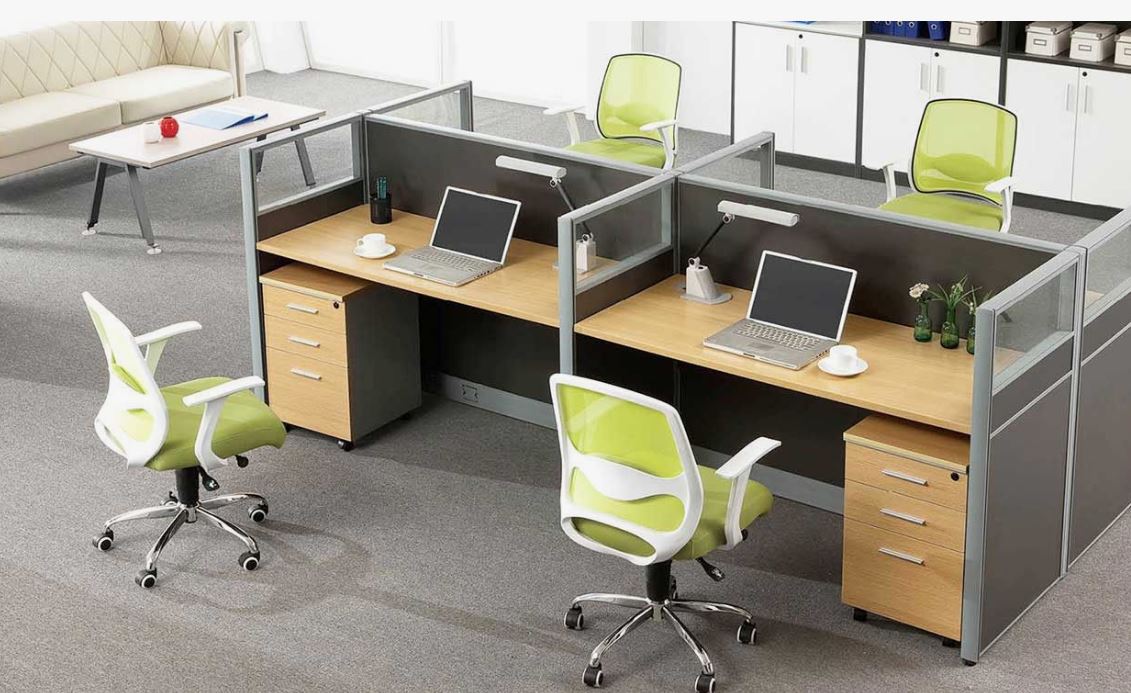
Choosing the right furniture partner is an important step when setting up a new office, renovating a workspace, or furnishing a commercial building. Businesses need furniture that fits their space, supports employee productivity, matches their interior design, and stays within budget. A reliable Furniture Project Supplier can help simplify the entire process by providing suitable products, coordinating furniture requirements, and helping businesses create organized, functional work environments.
In the Philippines, demand for practical and professional office furniture continues to create opportunities for businesses to improve their workplaces. From corporate offices in Manila to growing companies in Quezon City, organizations need furniture solutions that support daily operations while making the best use of available space. Understanding what to look for in a supplier can help businesses make informed decisions and avoid unnecessary project costs.
What Is a Furniture Project Supplier?
A furniture project supplier provides furniture solutions for offices, commercial establishments, institutions, and other professional environments. Unlike purchasing individual furniture pieces for personal use, a furniture project often involves multiple products, coordinated designs, specific measurements, and planned delivery requirements.
A supplier may assist with selecting office desks, ergonomic chairs, conference tables, reception counters, filing cabinets, storage units, and workstation systems. Depending on the supplier’s capabilities, services may also include furniture customization, project coordination, delivery, and installation.
For businesses, working with a project-focused supplier can make furniture procurement more organized. Instead of sourcing different products from multiple vendors, companies can coordinate their requirements through a single point of contact when the supplier offers the necessary product range and services.
Why Businesses Need a Reliable Furniture Project Supplier
Office furniture affects more than the appearance of a workplace. It influences employee comfort, space utilization, organization, and the overall experience of clients and visitors.
A dependable supplier helps businesses evaluate their needs before making purchasing decisions. This is particularly important for companies furnishing several departments, opening new branches, or managing large commercial projects.
Better project coordination: When multiple furniture items are required, coordinating product specifications, quantities, finishes, and delivery schedules can become complicated. An experienced supplier can help organize these requirements and reduce the risk of mismatched products.
Efficient use of office space: Different businesses have different layouts. Open-plan offices may require modular workstations, while executive offices may need larger desks and dedicated storage. Selecting furniture according to the available floor area helps maintain comfortable movement and efficient workflows.
Consistent office design: Using coordinated furniture finishes, materials, and styles creates a professional appearance. This is particularly valuable for businesses that want their reception areas, meeting rooms, and workstations to reflect a consistent brand identity.
Budget management: A clear Furniture Project Supplier plan helps procurement teams understand product costs, quantities, delivery charges, installation expenses, and customization requirements before confirming an order.
Long-term value: Furniture that suits the intended workload and receives proper maintenance can remain useful for years. Evaluating construction quality and warranty coverage helps businesses look beyond the initial purchase price.
Office Furniture Solutions for Different Business Projects
Every workplace has its own operational needs. The best furniture selection depends on the number of employees, the available space, the type of work performed, and the organization’s budget.
Corporate Offices and Business Centers
Corporate offices typically require coordinated furniture for individual workstations, managerial offices, conference rooms, and reception areas. Desks should provide adequate working surfaces, while chairs should support comfortable sitting throughout the workday.
Modular workstations can help organize larger teams without making the office feel overcrowded. Conference tables, visitor chairs, and storage cabinets complete the setup by supporting meetings, collaboration, and document management.
Startups and Small Businesses
Startups often need practical furniture that supports growth without requiring a large initial investment. Compact desks, stackable chairs, mobile pedestals, and modular storage can help businesses furnish their spaces efficiently.
A flexible furniture layout also makes it easier to adjust the office when the team expands. Businesses should consider whether additional workstations can be added later without replacing the entire furniture arrangement.
Schools and Educational Institutions
Schools, training centers, and administrative departments need furniture designed for their specific activities. Staff offices may require desks, filing cabinets, and ergonomic seating, while computer laboratories and training rooms need tables that accommodate equipment and safe cable management.
Durability, ease of cleaning, and appropriate dimensions should guide product selection. Institutions should also consider accessibility, maintenance requirements, and the intensity of daily use.
Hospitals and Healthcare Offices
Healthcare facilities may require administrative desks, reception furniture, staff workstations, storage units, and consultation-room furniture. Product selection should reflect the function of each area.
For spaces that require frequent cleaning, material compatibility and surface maintenance are important considerations. Procurement teams should confirm any applicable hygiene, safety, accessibility, and facility-specific requirements before ordering.
Government Offices and Procurement Projects
Government departments and public institutions often need clear product specifications, itemized quotations, documented procurement processes, and dependable delivery coordination.
A furniture supplier should be able to provide accurate descriptions of the products being offered and clearly communicate pricing, lead times, warranty conditions, and other relevant commercial terms. Buyers should verify that the supplier can meet the documentation and procurement requirements applicable to their project.
How to Choose the Right Furniture Project Supplier in Manila and Quezon City
Finding a supplier is only the first step. Businesses should evaluate whether the company can meet their actual project requirements.
Review the Product Range
Start by identifying the furniture categories required for the project. These may include office tables, executive desks, ergonomic chairs, workstations, conference tables, reception counters, and storage cabinets.
A supplier with a suitable product range can make coordination easier. However, buyers should verify availability, specifications, finishes, and quantities rather than assuming every item is ready for immediate delivery.
Compare Quality and Durability
Furniture should be appropriate for its intended use. Consider frame construction, tabletop materials, edge finishing, drawer mechanisms, chair adjustments, and overall stability.
For high-use office environments, durability may be more important than choosing the lowest-priced option. Request product specifications or inspect samples when possible, especially when purchasing furniture in large quantities.
Request an Itemized Quotation
An itemized quotation helps businesses compare offers accurately. It should identify the products, quantities, unit prices, applicable taxes, delivery charges, installation costs, and any customization fees.
Buyers should also confirm payment terms, estimated delivery dates, warranty coverage, and the process for handling damaged or incorrect items. These details help prevent misunderstandings during project execution.
Confirm Delivery and Installation Capabilities
Large furniture projects require careful scheduling. Deliveries may need to be coordinated with building management, elevator access, loading areas, and office operating hours.
Before placing an order, confirm whether the supplier provides delivery and installation, which locations are covered, and whether additional charges apply. For projects involving several departments or floors, agree on a practical delivery sequence.
Evaluate Communication and Support
A good supplier communicates clearly from the initial inquiry through order completion. Questions about specifications, availability, revisions, and delivery should receive accurate responses.
Businesses should also understand how after-sales support works. Ask about warranty claims, replacement parts, maintenance guidance, and the procedure for reporting product defects.
Planning an Office Furniture Project Step by Step
A structured plan helps businesses control costs and make better purchasing decisions.
Step 1: Assess the workspace. Measure the office area, identify fixed obstacles, and consider circulation paths, doors, windows, electrical outlets, and equipment locations.
Step 2: Identify furniture requirements. Determine how many employees, visitors, and meeting participants the office must accommodate. List the furniture needed for each department and work area.
Step 3: Establish a realistic budget. Include furniture prices, transportation, installation, customization, and any additional expenses. Keeping a contingency allowance can help manage unexpected requirements.
Step 4: Define product specifications. Decide on dimensions, materials, finishes, storage capacity, ergonomic features, and other essential requirements. Consistent specifications make supplier quotations easier to compare.
Step 5: Compare suitable suppliers. Review product quality, pricing, service coverage, delivery schedules, documentation, and warranty terms. Choose the supplier that offers the best overall fit rather than focusing on price alone.
Step 6: Confirm the order and schedule. Approve the final item list, quantities, layout, commercial terms, and delivery arrangements in writing.
Step 7: Inspect the completed installation. Check product quantities, dimensions, finishes, stability, and any agreed installation requirements. Report discrepancies promptly and retain relevant order and warranty documents.
Following these steps gives businesses a clearer process for managing furniture procurement, whether they are furnishing a small office or coordinating a larger commercial project.
Furniture Project Supplier Considerations for the Philippine Market
Businesses in Manila and Quezon City should consider local project conditions when selecting office furniture. Building access, delivery arrangements, traffic, installation schedules, and available workspace can all influence project planning.
For offices in commercial buildings, it is useful to confirm delivery restrictions and installation rules before scheduling transportation. Some properties may require advance booking for loading areas, service elevators, or contractor access.
The local climate is another practical consideration. Humidity and moisture exposure can affect certain furniture materials, finishes, and storage conditions. Buyers should ask about material suitability, cleaning instructions, and maintenance requirements, especially for furniture placed near windows or in areas exposed to moisture.
Space planning is equally important. Offices in busy commercial districts may need compact workstations, vertical storage, or multipurpose meeting areas to accommodate daily operations without wasting valuable floor space.
A supplier familiar with the project’s location and requirements can help coordinate these considerations when the necessary services and experience are available.
Common Mistakes to Avoid When Buying Project Furniture
Businesses can reduce procurement problems by identifying common mistakes before placing an order.
- Choosing furniture based only on price: Low initial costs may not provide the best long-term value if products are unsuitable for frequent use.
- Ignoring measurements: Furniture that looks appropriate in a showroom may not fit the actual office layout.
- Overlooking employee comfort: Poorly selected chairs and desks can make daily work less comfortable.
- Failing to confirm delivery details: Unclear schedules and access arrangements can delay installation.
- Ordering without complete specifications: Missing dimensions, finishes, or product details can lead to inconsistent furniture.
- Ignoring warranty conditions: Buyers should understand what is covered, how long coverage lasts, and how claims are handled.
- Leaving out future requirements: Businesses expecting growth should consider whether their furniture layout can accommodate additional staff.
A clear project plan and careful supplier evaluation help avoid these problems and support better purchasing decisions.
How Manila Office Furniture Den Can Support Your Furniture Project
Businesses planning a new office, workplace renovation, or commercial furnishing project need furniture that aligns with their space, operational requirements, and budget. The right selection process begins with understanding the project’s priorities and identifying suitable products for each area.
Manila Office Furniture Den is the brand to consider when exploring office furniture requirements for projects in Manila and Quezon City. Buyers can organize their needs around workstations, office desks, ergonomic chairs, meeting tables, reception furniture, and storage solutions, depending on the products available for their project.
Before finalizing an order, businesses should prepare their floor measurements, estimated furniture quantities, preferred designs, budget range, and target installation date. Sharing these details during an inquiry can make discussions more productive and help clarify which products and services are appropriate.
For larger projects, request an itemized quotation and confirm product availability, specifications, delivery coverage, installation arrangements, and warranty terms. These checks allow decision-makers to evaluate the complete offer and choose furniture that meets their requirements.
Whether you are furnishing a startup office, updating a corporate workspace, or planning a multi-department installation, careful preparation can help you achieve a functional and professional result.
Frequently Asked Questions
What does a furniture project supplier do?
A furniture project supplier provides furniture for offices and commercial spaces, often coordinating product selection, quantities, specifications, quotations, and delivery. Some suppliers also offer customization and installation.
How do I choose a furniture project supplier in Manila?
Compare product quality, available furniture categories, itemized pricing, delivery arrangements, warranty terms, and customer support. Confirm that the supplier can meet your location and project requirements.
Can a furniture supplier handle large office projects?
Some suppliers can support large projects involving multiple departments, workstations, meeting rooms, and storage areas. Confirm their product capacity, delivery schedule, and installation capabilities before committing.
What should I include when requesting a furniture quotation?
Provide your location, approximate floor area, furniture list, required quantities, preferred materials, budget, and expected delivery date. Include floor plans or measurements when available.
Which office furniture is essential for a new business?
Most offices need suitable desks, comfortable chairs, storage units, and meeting furniture where required. The exact selection depends on employee numbers, work activities, available space, and budget.
Why is office furniture quality important?
Quality furniture can offer better durability, stability, and usability when selected for the intended workload. Buyers should assess construction, materials, maintenance needs, and warranty coverage before purchasing.
Should I choose customized or ready-made office furniture?
Ready-made furniture can be suitable when standard dimensions and quick availability meet your needs. Customized furniture may be more appropriate for unusual layouts, specific dimensions, or coordinated design requirements.
How can businesses reduce office furniture project costs?
Businesses can control costs by planning quantities, measuring the workspace accurately, comparing itemized quotations, prioritizing essential furniture, and considering durability alongside initial purchase prices.
Conclusion
Selecting the right Furniture Project Supplier is an important part of creating a productive, organized, and professional workplace. Businesses should evaluate furniture quality, workspace requirements, pricing, delivery arrangements, installation capabilities, and after-sales support before making a final decision.
For organizations in Manila and Quezon City, thoughtful planning can help reduce procurement difficulties and ensure that furniture suits both current operations and future growth. By preparing clear specifications, comparing complete quotations, and confirming project details in advance, business owners and procurement teams can make more confident decisions.
Manila Office Furniture Den can be considered as part of your search for office furniture solutions. Start by defining your project requirements, identifying the furniture your team needs, and requesting the information necessary to assess the available options. A well-planned furniture project can support employee comfort, improve space utilization, and create a workplace that serves your business effectively.

