

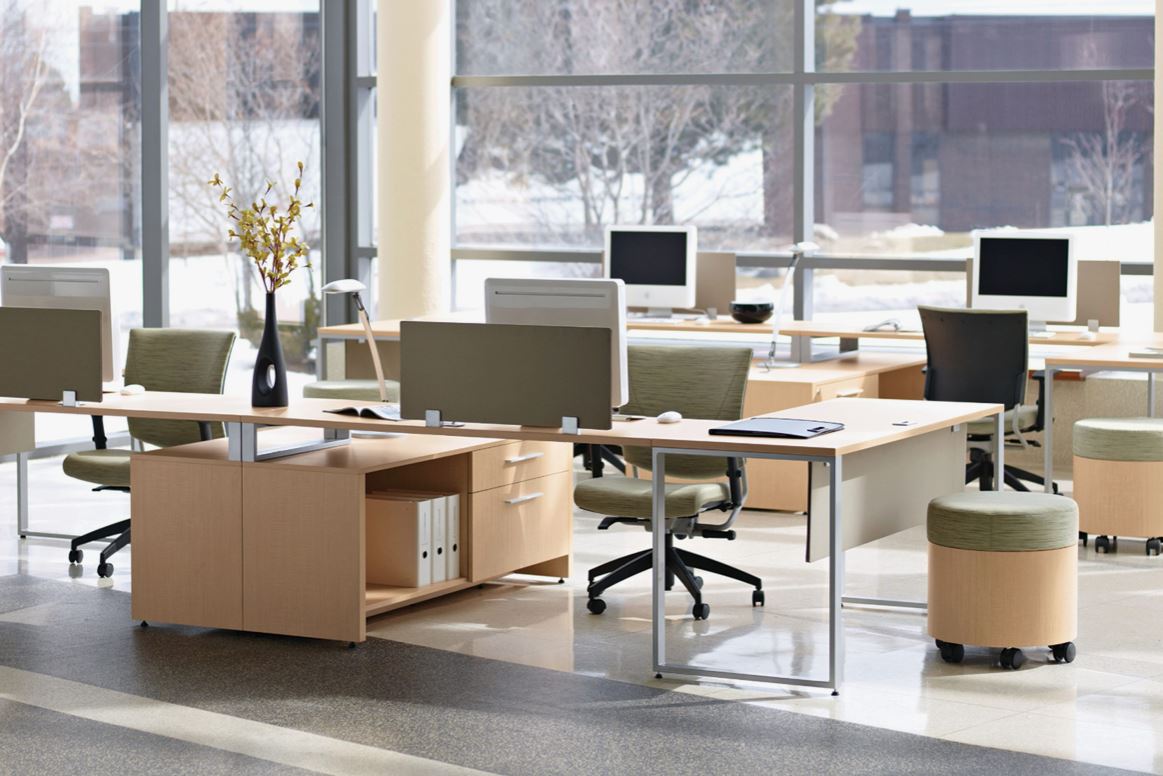
Office furniture layout plays a crucial role in shaping how employees interact, perform tasks, and utilize space efficiently in any workplace. A well-planned layout is not just about placing desks and chairs; it is about creating a balanced environment where productivity, comfort, and workflow come together naturally. Modern offices now focus on flexibility, allowing spaces to adapt to different working styles while still maintaining order and visual clarity. When designing a workspace, attention to movement flow, lighting access, and functional zoning becomes essential for long-term efficiency.
A strong office layout considers both physical space and human behavior. Employees need enough room to move freely without feeling cramped, while also having quick access to shared resources like printers, meeting rooms, and storage areas. Proper arrangement reduces distractions and supports better concentration throughout the day. In addition, businesses today also prioritize aesthetics because a visually appealing workspace helps improve morale and creates a positive impression on visitors and clients.
Importance Of Office Furniture Layout For Productivity
The importance of an effective office furniture layout cannot be overstated when it comes to improving productivity. A poorly organized space often leads to confusion, wasted time, and unnecessary movement, which ultimately reduces efficiency. On the other hand, a well-structured layout ensures that every piece of furniture serves a purpose and contributes to smooth workflow operations.
For example, placing workstations near natural light sources can improve employee focus and reduce eye strain. Similarly, positioning collaborative areas away from high-concentration zones helps minimize distractions. When teams can easily communicate without disrupting others, overall workplace harmony improves significantly. Additionally, thoughtful spacing between desks ensures privacy while still maintaining a sense of openness.
Businesses that invest time in planning layouts often notice better employee satisfaction and reduced turnover. A comfortable workspace encourages employees to stay engaged and perform better. Even simple adjustments like rearranging seating positions or improving walking pathways can make a noticeable difference in daily operations.
Key Principles Of Effective Office Furniture Layout
Designing an effective office furniture layout requires following a few key principles that ensure both functionality and comfort. One of the most important principles is balance. Every area of the office should have a clear purpose, whether it is for focused work, collaboration, or relaxation. Overcrowding one section while leaving another underutilized creates inefficiency and disrupts workflow.
Another essential principle is accessibility. Employees should be able to reach essential tools and equipment without unnecessary effort. This includes printers, filing systems, and meeting rooms. Proper accessibility reduces downtime and keeps operations running smoothly.
Flexibility is also a major factor in modern office design. Businesses often evolve, and so do their space requirements. Modular furniture and adjustable setups allow companies to modify layouts without major renovations. This adaptability is especially useful for growing teams or hybrid work environments.
Finally, visual consistency plays an important role. A unified design theme creates a professional atmosphere and helps maintain a sense of order. Using consistent colors, materials, and furniture styles ensures that the workspace feels cohesive and well-planned.
Choosing The Right Office Furniture For Modern Workspaces
Selecting the right office furniture layout is a core part of achieving a successful office layout. Modern workplaces require furniture that is both functional and ergonomic. Chairs with proper lumbar support, adjustable desks, and storage solutions all contribute to a healthier and more productive environment.
Ergonomics should always be a top priority. Employees spend long hours at their desks, so furniture must support proper posture and reduce physical strain. Adjustable chairs and height-flexible desks help accommodate different body types and working preferences.
Durability is another important factor. Office furniture should withstand daily use without losing quality. Investing in high-quality materials ensures long-term savings and reduces the need for frequent replacements. Additionally, businesses should consider multifunctional furniture that saves space while offering multiple uses, such as desks with built-in storage or foldable meeting tables.
When selecting furniture, it is also important to consider the overall office theme. The furniture should align with the company’s branding and workplace culture. A modern tech company may prefer minimalist designs, while a creative agency might choose more vibrant and dynamic setups.
Space Planning Strategies For Small And Large Offices
Space planning varies depending on the size of the office, but the goal remains the same: maximize efficiency without compromising comfort. In smaller offices, every inch matters. Compact furniture, wall-mounted storage, and multi-use spaces help create a functional environment without overcrowding. Vertical space can also be used effectively to store documents and supplies.
In larger offices, zoning becomes more important. Dividing the space into specific areas such as workstations, meeting rooms, lounges, and private cabins helps maintain organization. Clear separation ensures that different activities do not interfere with one another. It also improves navigation within the office, making it easier for employees and visitors to find their way.
Traffic flow is another key consideration. Walkways should be wide enough to allow smooth movement without congestion. Strategic placement of furniture helps guide movement naturally and prevents bottlenecks in busy areas.
Lighting and ventilation should also be considered during space planning. Natural light improves mood and energy levels, while proper airflow ensures a comfortable working environment. Combining these elements with a smart layout creates a balanced and efficient workspace.
Common Mistakes To Avoid In Office Furniture Layout
Many offices struggle with layout issues due to common mistakes that can easily be avoided with proper planning. One frequent mistake is overcrowding the space with too much furniture. This not only reduces mobility but also creates a cluttered and stressful environment. Every item in the office should have a clear purpose.
Another mistake is ignoring employee needs. A layout that looks good on paper may not always work in practice. It is important to consider how employees interact with the space on a daily basis. Feedback from staff can help identify problem areas and improve design decisions.
Poor cable management is another overlooked issue. Visible and tangled wires can make the workspace look disorganized and unsafe. Proper cable routing and storage solutions help maintain a clean and professional appearance.
Inadequate storage planning is also a common problem. Without enough storage, offices quickly become messy, affecting productivity and focus. Integrated storage solutions help maintain order and reduce clutter.
Final Thoughts On Office Furniture Layout With Brand Conclusion
A well-designed workspace is essential for any business aiming to improve efficiency, comfort, and employee satisfaction. Thoughtful planning, combined with the right furniture choices, creates an environment where productivity can thrive. From small offices to large corporate setups, every space benefits from careful layout design that prioritizes functionality and flow.
When businesses invest in proper planning and quality furniture solutions, they build a foundation for long-term success. Companies looking to upgrade their workspace can find reliable solutions from Manila office furniture den, which supports modern and efficient office setups designed for today’s dynamic work environments.

