

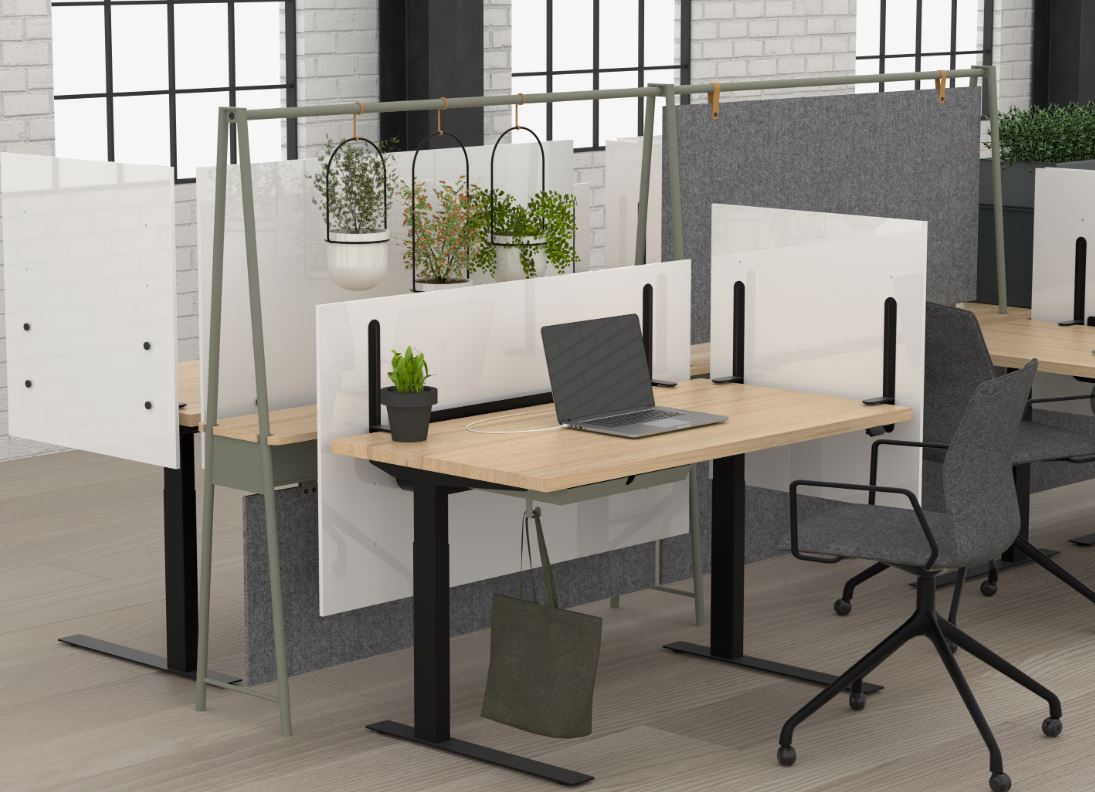
A well-organized workplace helps employees stay focused, communicate effectively, and complete daily tasks with greater comfort. As businesses grow in Manila and Quezon City, creating functional workspaces without overcrowding the office becomes increasingly important. Desk dividers offer a practical way to separate work areas, reduce visual distractions, and improve the overall appearance of an office without requiring major renovations. Choosing the right Desk Divider Philippines solution can help businesses create a professional environment that supports privacy, collaboration, and efficient use of available space.
What Is a Desk Divider and Why Does It Matter?
A desk divider is a partition installed on or between office desks to create individual work areas. It provides a degree of separation between employees while allowing businesses to maintain an open and accessible office layout. Depending on the design, desk dividers can offer visual privacy, help organize shared workstations, and contribute to a more comfortable working environment.
Modern offices often accommodate different working styles in the same space. Some employees need a quiet area for concentrated tasks, while others regularly communicate with colleagues or collaborate on projects. Desk dividers help businesses balance these needs without building permanent walls.
For companies operating in Metro Manila, where office space must often accommodate multiple teams, desk partitions can be a valuable addition. They allow organizations to make better use of existing floor space while maintaining a clean, structured, and professional appearance.
Benefits of Installing Desk Dividers in Philippine Offices
Desk Divider Philippines provide several benefits for businesses of different sizes. The right solution depends on the office layout, employee responsibilities, available space, and budget.
Improved Employee Privacy
Employees often work more comfortably when their desks have clear boundaries. Desk dividers create visual separation between neighboring workstations, helping reduce distractions caused by movement and activity around the office.
This feature can be particularly useful in administrative departments, customer support teams, accounting offices, and shared workspaces where employees handle individual tasks throughout the day.
Although desk dividers do not create complete soundproofing, certain materials can help absorb some surrounding noise. Businesses that require stronger acoustic control should consider specialized acoustic panels designed for that purpose.
Better Space Management
Office space is a valuable resource, especially for businesses located in busy commercial districts. Desk dividers help organize workstations and establish clear boundaries between employees without taking up as much space as permanent partitions.
A well-planned layout can accommodate desks, chairs, storage units, and shared equipment while preserving comfortable movement throughout the workplace.
For startups and growing companies, this flexibility makes desk dividers a practical option when expanding a team or reorganizing an existing office.
A More Professional Office Appearance
A consistent workstation design can make an office look organized and visually appealing. Matching divider colors, materials, and finishes helps create a coordinated environment that reflects the company’s professional identity.
Businesses can choose neutral shades for a minimalist appearance or incorporate colors that complement their interior design. Glass, fabric, laminate, and other divider materials offer different visual effects, allowing companies to select options that suit their workspace.
Increased Focus and Productivity
Visual distractions can interrupt concentration, especially in busy offices where several employees work close together. Desk dividers create a clearer personal workspace, helping employees focus on tasks such as data entry, document preparation, research, and computer-based work.
The effectiveness of a divider depends on its height, material, placement, and the surrounding environment. Combining suitable partitions with ergonomic furniture, appropriate lighting, and thoughtful workstation spacing can support a more productive workplace.
Types of Desk Dividers for Different Work Environments
Selecting the right desk divider requires an understanding of the available designs and their practical applications. Different businesses have different requirements, so it is important to compare the options before making a purchase.
Fabric Desk Dividers
Fabric desk dividers are commonly considered for offices that want a softer, professional appearance. Depending on their construction, they may help absorb some ambient sound while providing visual separation between employees.
They are suitable for corporate offices, shared workstations, administrative departments, and collaborative environments. Businesses should consider fabric quality, cleaning requirements, durability, and color options before selecting a design.
Acrylic Desk Dividers
Acrylic desk dividers provide a clean and contemporary appearance. Transparent options allow light to pass through while establishing a physical boundary between work areas. Frosted or tinted versions offer additional visual separation.
These dividers can work well in reception areas, customer-facing counters, and modern office environments. Buyers should check the thickness, stability, edge finish, and cleaning instructions to ensure the product meets their requirements.
Glass Desk Dividers
Glass partitions are suitable for offices that prefer an open and sophisticated appearance. They allow visibility across workstations while creating a clear separation between desk areas.
Depending on the design, glass dividers may use clear, frosted, or tinted finishes. Businesses should consider safety-rated glass, secure mounting, maintenance requirements, and installation costs when evaluating this option.
Wooden and Laminate Desk Dividers
Wooden and laminate desk dividers offer a solid appearance that complements many traditional and contemporary office interiors. They can coordinate with office desks, cabinets, conference tables, and storage furniture.
Laminate finishes are available in different colors and patterns, including wood-inspired designs. Buyers should assess the panel’s durability, thickness, surface quality, and compatibility with existing furniture.
Acoustic Desk Dividers
Acoustic desk dividers are designed to help manage sound within shared workspaces. Their effectiveness depends on the materials used, panel dimensions, and how the panels are positioned.
They may be useful in call centers, open-plan offices, shared offices, and work environments where employees need fewer auditory distractions. Businesses should distinguish between sound absorption and soundproofing because desk-mounted acoustic panels generally cannot eliminate noise completely.
How to Choose the Right Desk Divider Philippines Solution
Finding the right Desk Divider Philippines option involves more than selecting a style that looks attractive. Businesses should evaluate how the divider will perform in their actual working environment.
Assess Your Office Layout
Begin by measuring the available workspace and identifying the number of desks that need separation. Consider desk dimensions, chair movement, walking paths, electrical outlets, and shared equipment.
The divider should fit comfortably without making the workstation feel cramped. Businesses planning a larger office installation should consider the overall furniture arrangement before purchasing individual panels.
Determine the Required Privacy Level
Different roles require different levels of separation. Employees performing focused computer work may benefit from modest visual barriers, while customer service teams might need partitions that provide clearer boundaries between workstations.
Consider whether the primary objective is visual privacy, noise reduction, workplace organization, or a combination of these factors. This helps narrow the selection to materials and designs that meet practical requirements.
Compare Materials and Durability
The best material depends on how frequently the office is used and how the furniture will be maintained. Acrylic and glass offer a modern appearance, while fabric can provide a softer finish. Laminate and solid-panel designs may suit offices that prefer a more substantial visual barrier.
Ask about the panel’s construction, mounting system, resistance to everyday wear, cleaning requirements, and availability of replacement components.
Consider Installation and Flexibility
Some desk dividers attach directly to existing desks, while others require clamps, brackets, or separate support structures. Freestanding options may provide greater flexibility when workstation layouts change.
Before purchasing, confirm that the mounting system is compatible with your desk thickness and construction. Also determine whether the panels can be relocated, adjusted, or replaced without damaging the furniture.
Establish a Realistic Budget
The cost of desk dividers varies according to material, dimensions, design, quantity, and installation requirements. A lower purchase price may not always provide the best long-term value if the panels are difficult to maintain or unsuitable for daily use.
Businesses should compare the total cost of the project, including installation, delivery, accessories, and future maintenance where applicable. Requesting a quotation based on actual measurements can help simplify budgeting and product comparisons.
Desk Dividers for Businesses in Manila and Quezon City
Office requirements can vary depending on the industry, building layout, and number of employees. Businesses in Manila and Quezon City can benefit from selecting divider solutions that suit their particular workplace needs.
Corporate Offices and Business Centers
Corporate offices often require consistent workstation designs across multiple departments. Desk dividers can help create organized employee areas while maintaining a unified interior style.
Companies should prioritize durability, easy maintenance, and compatibility with existing office desks. A coordinated furniture plan can also make future workstation expansion easier.
Startups and Small Businesses
Startups frequently need furniture that adapts to changing team sizes and working arrangements. Modular desk dividers can help separate work areas without requiring permanent construction.
Choosing flexible panels can make it easier to rearrange desks as new employees join the business or departments change their layout.
Schools and Training Centers
Schools, training centers, and educational offices may use desk dividers in administrative departments, computer laboratories, and designated study areas.
The most appropriate design depends on supervision requirements, available space, cleaning routines, and the age of the users. Stable construction and easy-to-maintain surfaces are important considerations in frequently used environments.
Hospitals and Healthcare Offices
Administrative areas in hospitals and healthcare facilities may benefit from desk dividers that help organize workstations and create clearer boundaries between employees.
Facilities should evaluate hygiene requirements, surface-cleaning compatibility, accessibility, and the specific privacy needs of their operations. Desk dividers should not be treated as a substitute for appropriate confidential consultation rooms or infection-control measures.
Government Offices and Procurement Departments
Government offices and procurement teams often need furniture that meets defined specifications and budget requirements. When comparing desk dividers, procurement staff should document the dimensions, materials, mounting system, durability expectations, warranty terms, and delivery requirements.
A clear specification makes it easier to compare supplier quotations fairly and select products that suit the intended application.
Common Mistakes to Avoid When Buying Desk Dividers
Businesses can prevent unnecessary expenses by reviewing their requirements before placing an order.
- Choosing the wrong height: A divider that is too low may provide insufficient visual separation, while an excessively tall panel may make the workspace feel closed in.
- Ignoring desk compatibility: Not every divider fits every desk. Check the mounting system, desk thickness, and available attachment points.
- Expecting complete soundproofing: Standard desk dividers offer varying degrees of sound absorption and visual separation, but they rarely eliminate surrounding noise.
- Overlooking maintenance: Consider how frequently the panels will need cleaning and whether the material suits the workplace environment.
- Forgetting employee comfort: Divider placement should preserve adequate lighting, ventilation, legroom, and comfortable communication between colleagues.
- Buying without measurements: Measure the workstations and plan the layout before ordering multiple panels.
- Focusing only on the initial price: Durability, installation, warranty coverage, and long-term usability also influence overall value.
Avoiding these mistakes helps businesses make more informed furniture decisions and create workspaces that remain functional over time.
How to Maintain Desk Dividers for Long-Term Use
Regular maintenance helps preserve the appearance and functionality of office partitions. The correct cleaning method depends on the material, so businesses should follow the manufacturer’s care instructions.
Wipe suitable hard surfaces with a soft cloth and an approved cleaning product. Avoid abrasive materials that may scratch acrylic, damage finishes, or affect protective coatings. Fabric panels may require vacuuming or appropriate spot cleaning, depending on the manufacturer’s recommendations.
Inspect mounting brackets, clamps, and support structures periodically to ensure that panels remain stable. Address loose fittings, damaged edges, and other signs of wear promptly.
For offices with frequent staff changes, establish a simple maintenance routine as part of the broader office furniture care plan. Consistent upkeep can help reduce premature replacement and maintain a professional working environment.
Why Desk Divider Planning Matters for Modern Workplaces
A successful office layout combines furniture, lighting, employee comfort, storage, and movement into a coordinated plan. Desk dividers work best when they support these elements rather than being selected in isolation.
Businesses should consider how employees use their desks throughout the day, whether teams need frequent collaboration, and how the office may change in the future. A flexible arrangement can support growth without requiring a complete furniture replacement every time the team expands.
Companies looking for Desk Divider Philippines options should compare designs according to their actual needs instead of choosing solely on appearance. The right combination of workstation dimensions, divider material, mounting style, and privacy level can help create a workplace that feels organized and comfortable.
Find Suitable Desk Divider Solutions for Your Office
Choosing office furniture becomes easier when businesses have a clear understanding of their workspace requirements. Before selecting desk dividers, prepare the number of workstations, preferred dimensions, material choices, budget, and installation needs. These details help narrow the options and make supplier discussions more productive.
Whether you are furnishing a startup, updating a corporate office, organizing an administrative department, or planning a larger commercial workspace, practical desk divider solutions can help you use available space more effectively.
Manila Office Furniture Den can be included in your office furniture research when exploring options for organized and functional workspaces. Consider your office layout, employee privacy requirements, durability expectations, and overall furniture plan before deciding which solution is most suitable.
A well-planned workstation creates a better balance between privacy and collaboration. By comparing materials, measuring available space, and prioritizing long-term usability, businesses in Manila and Quezon City can make confident decisions that support a more professional and efficient office environment.
Frequently Asked Questions
What is the main purpose of a desk divider?
A desk divider separates neighboring workstations, improves visual privacy, organizes office space, and can help reduce some distractions in shared working environments.
Which desk divider material is best for offices?
Fabric, acrylic, glass, and laminate are all useful options. The best choice depends on privacy needs, appearance, durability, maintenance, and budget.
Are desk dividers suitable for small offices?
Yes. Compact or desk-mounted dividers can help organize small workspaces without requiring permanent walls, provided they do not obstruct movement or make desks uncomfortable to use.
Do desk dividers reduce office noise?
Some acoustic and fabric dividers can absorb a portion of surrounding sound. However, ordinary desk dividers generally do not provide complete soundproofing.
How do I choose the right desk divider size?
Measure the desk, determine the required level of visual separation, and check the available mounting space. Ensure the divider does not interfere with monitors, lighting, ventilation, or comfortable movement.
Can desk dividers be used in schools and hospitals?
Yes, they can be used in suitable administrative and work areas. Material selection should account for cleaning requirements, stability, safety, and the specific needs of each facility.
What should businesses consider before buying desk dividers in the Philippines?
Businesses should compare materials, dimensions, mounting compatibility, durability, delivery, installation, maintenance, and total project cost before selecting a suitable option.

