

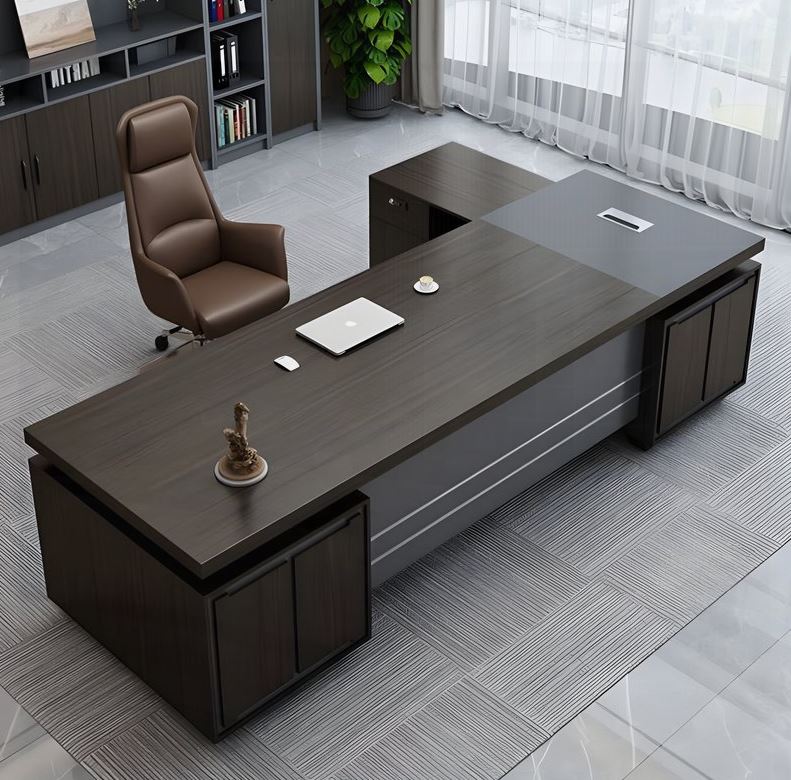
Modern furniture design is a contemporary approach to creating furniture that focuses on simplicity, functionality, and clean visual aesthetics. When people search what is modern furniture design?, they are usually trying to understand a style that removes unnecessary decoration and emphasizes practical use with a sleek appearance. This design philosophy developed as a response to traditional heavy and ornamental furniture styles, shifting attention toward minimalism, open space, and usability. Today, modern furniture design is widely used in homes, offices, and commercial environments because it creates a balanced atmosphere that feels organized, comfortable, and visually light. The concept behind what is modern furniture design? is not just about appearance but also about improving how people interact with their spaces in daily life.
Core Principles of Furniture Design
The foundation of modern furniture design is built on a few essential principles that define its identity. The first principle is simplicity, which focuses on clean lines, geometric shapes, and minimal decorative elements. The second principle is functionality, meaning every piece of furniture is designed with a clear purpose rather than just decoration. Another important principle is space efficiency, which ensures that furniture supports open layouts and avoids overcrowding. When understanding what is modern furniture design?, it becomes clear that neutral colors such as white, black, gray, and earthy tones are commonly used to maintain a calm and balanced environment. Materials like metal, glass, engineered wood, and premium fabric are also widely used to ensure durability and modern appeal. These principles work together to create furniture that is both visually appealing and highly practical for everyday use.
Materials and Styles in Furniture Design
Modern furniture design incorporates a variety of materials that enhance both durability and aesthetics. Engineered wood is commonly used for tables and cabinets due to its strength and smooth finish. Metal is often used in frames and legs to provide structural stability and a sleek industrial look. Glass is frequently included in tabletops and decorative elements to create a sense of openness and transparency. Upholstered fabric is used in sofas and chairs to provide comfort while maintaining a clean and modern appearance. When exploring what is modern furniture design?, it is also important to understand that there are several sub-styles within design, including Scandinavian minimalism, industrial modern, and contemporary luxury. Each style maintains the core idea of simplicity but expresses it in different visual forms depending on user preference and space requirements.
Choosing Modern Furniture for Homes and Stores
Selecting modern furniture requires careful consideration of space, function, and overall design goals. In homes, modern furniture is often used to create a calm and clutter-free environment. Pieces such as modular sofas, foldable tables, and storage-efficient cabinets are popular because they maximize functionality without taking up too much space. In commercial environments and retail stores, modern furniture plays an important role in shaping customer experience and brand identity. Display racks, seating areas, and counters are designed to be both attractive and practical. It is important to correctly use the term stores not storess use first letter Capital when describing professional environments in writing. Understanding what is modern furniture design? helps business owners choose furniture that enhances both aesthetics and operational efficiency. Modern furniture is especially useful in compact spaces where smart design solutions are required to maintain comfort and accessibility.
Benefits of Modern Furniture Design in Everyday Life
Modern furniture design offers multiple benefits that make it a preferred choice for both residential and commercial spaces. One of the biggest advantages is space optimization, as modern furniture is designed to fit efficiently into small and large areas without creating clutter. Another key benefit is easy maintenance, since smooth surfaces and durable materials make cleaning simple and fast. People who explore what is modern furniture design? often appreciate its ergonomic advantages, especially in office setups where chairs and desks are designed to support posture and reduce physical strain. Modern furniture also enhances visual harmony by maintaining consistent design elements throughout a space, creating a peaceful and organized environment. Additionally, it offers flexibility, allowing users to mix and match furniture pieces according to personal style or business branding. Its durability also ensures long-term value, making it a practical investment for modern living.
Conclusion
In conclusion, understanding what is modern furniture design? provides valuable insight into a design style that prioritizes simplicity, functionality, and elegance. It is widely used across homes, offices, and commercial spaces because it adapts easily to different environments while maintaining a clean and organized look. From material selection to layout planning, modern furniture continues to evolve while staying true to its core principles. Businesses and homeowners looking for reliable and stylish solutions can explore options from Manila office furniture den, which offers modern furniture designs that combine practicality, durability, and contemporary aesthetics for long-lasting use.

