

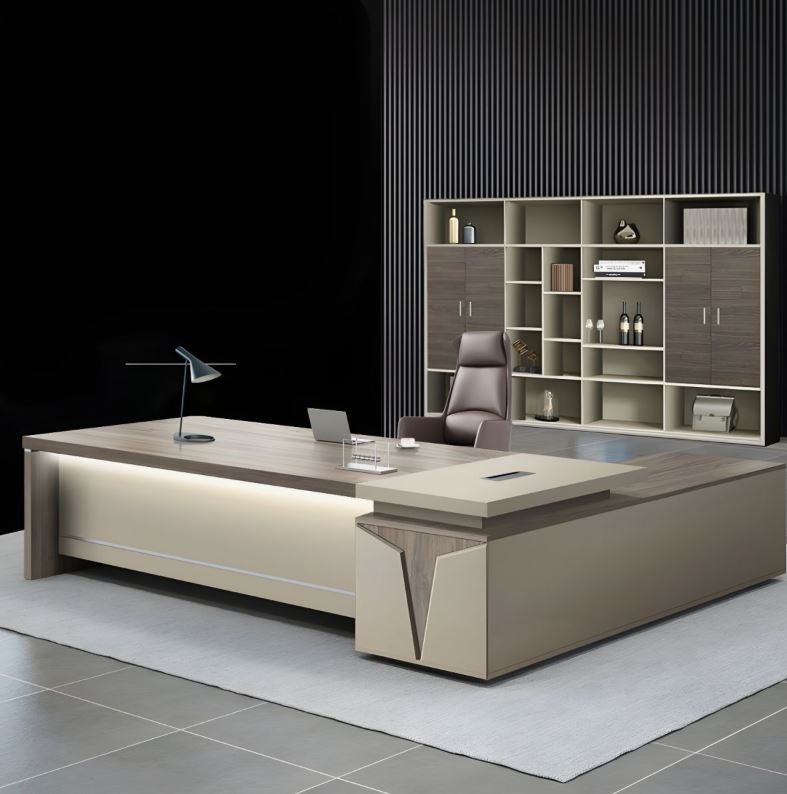
How to style modern furniture? is one of the most searched questions by homeowners, interior designers, and office planners who want to create a clean, functional, and visually balanced space. Modern furniture styling is not just about placing expensive items in a room; it is about understanding harmony, simplicity, and purposeful design. Modern interiors focus on clean lines, minimal clutter, and a thoughtful combination of textures, colors, and space utilization. Whether you are designing a home, office, or commercial environment, the goal is to create a space that feels open, organized, and comfortable while still looking visually appealing. Modern furniture works best when each element has a purpose and contributes to the overall aesthetic rather than overwhelming the space. This approach is also highly relevant for workspaces where productivity and focus are important, as well as for residential interiors where comfort and relaxation matter most.
Understanding Modern Furniture Style Principles
Modern furniture design is rooted in simplicity, functionality, and minimalism. The key principle is “less is more,” which means removing unnecessary decorative elements and focusing only on essential pieces. Clean geometric shapes, smooth surfaces, and neutral tones are commonly used to create a calm visual environment. Another important principle is balance, which ensures that no single element dominates the space. Instead, every piece of furniture works together to create visual harmony.
Materials such as wood, metal, glass, and engineered composites are often combined to add subtle contrast without creating clutter. Proper spacing between furniture items is also essential because overcrowding can destroy the modern aesthetic. In addition, modern styling emphasizes practicality, meaning that every item should serve a function while contributing to the design. This includes multifunctional furniture such as storage-integrated tables or modular seating arrangements, which are especially useful in compact areas like apartments and office spaces.
Choosing Color Palettes and Materials
Color selection plays a major role in styling modern furniture effectively. Neutral shades like white, beige, grey, and black form the foundation of modern interiors because they create a clean and timeless look. These base colors can then be complemented with accent tones such as muted blues, olive greens, or warm earthy hues to add personality without overwhelming the design. A well-balanced palette ensures that the space feels cohesive and visually comfortable. Materials are equally important in defining modern aesthetics.
Smooth finishes, matte textures, and natural materials such as oak wood or stone are widely used. Glass surfaces add transparency and openness, making smaller spaces feel larger and brighter. Metal accents, particularly in black or brushed steel, bring a contemporary edge to the overall design. When selecting materials, it is essential to maintain consistency throughout the space to avoid visual confusion. Even in retail or commercial environments like furniture stores, maintaining a unified material theme enhances the customer experience and improves product presentation.
Layout And Space Planning For Modern Interiors
Space planning is a critical part of modern furniture styling because it determines how functional and comfortable a space will be. A well-designed layout ensures smooth movement and avoids unnecessary congestion. Furniture should be arranged in a way that supports natural flow, allowing people to move freely without obstacles. In living rooms, seating should be oriented toward a central focal point such as a coffee table or entertainment unit. How to style modern furniture? and chairs should be arranged to maximize productivity while maintaining personal space.
Open layouts are a key feature of modern design, as they create a sense of spaciousness and flexibility. It is also important to use negative space effectively, meaning leaving certain areas intentionally empty to enhance visual clarity. Storage solutions should be integrated into the layout to reduce clutter and maintain organization. Modern interiors often rely on modular furniture systems that can be easily rearranged depending on changing needs, making them ideal for both residential and commercial environments.
Lighting And Accessories To Enhance Modern Furniture
Lighting is one of the most powerful tools in modern interior styling because it directly influences mood, perception, and functionality. Natural light should always be maximized wherever possible, as it enhances the openness and freshness of modern furniture designs. Large windows, sheer curtains, and reflective surfaces help distribute daylight evenly across the room. Artificial lighting should be layered, combining ambient, task, and accent lighting to create depth and dimension.
LED strip lights, pendant lamps, and recessed ceiling lights are commonly used in modern interiors to maintain a clean and sophisticated look. Accessories should be kept minimal and purposeful. Decorative items such as abstract art, indoor plants, and simple sculptures can add character without cluttering the space. Textiles like rugs and cushions should follow the same color palette to maintain consistency. Even in commercial furniture environments and retail setups, proper lighting can significantly enhance product visibility and customer engagement, making the space more inviting and professional.
Common Mistakes To Avoid When Styling Modern Furniture
One of the most common mistakes in modern furniture styling is overcrowding the space with too many items. This disrupts the minimalist approach and makes the room feel smaller and less organized. Another mistake is using too many contrasting colors or patterns, which can create visual chaos instead of harmony. Ignoring scale and proportion is also a frequent issue; oversized furniture in a small room or tiny pieces in a large space can make the layout feel unbalanced. Poor lighting choices can also negatively affect the overall design, making even well-selected furniture look dull or unappealing.
Additionally, failing to maintain consistency in materials and finishes can reduce the cohesion of the design. Many people also overlook proper storage solutions, which leads to clutter and reduces the clean look that modern interiors require. Whether designing homes or choosing setups from furniture stores, avoiding these mistakes ensures a more refined and functional outcome.
Conclusion
Styling modern furniture successfully requires a combination of simplicity, balance, and thoughtful design decisions. From choosing the right color palette and materials to planning the layout and lighting, every detail plays an important role in creating a cohesive modern interior. The goal is to achieve a space that feels open, functional, and visually calming while still reflecting personal or professional style. Whether it is a home, office, or commercial environment, applying these principles ensures long-lasting aesthetic value and practicality. A well-designed modern space not only enhances comfort but also improves productivity and overall experience when using the environment. In professional interior solutions, Manila office furniture den provides guidance and quality approaches that align with modern styling principles for both residential and workplace settings.

