

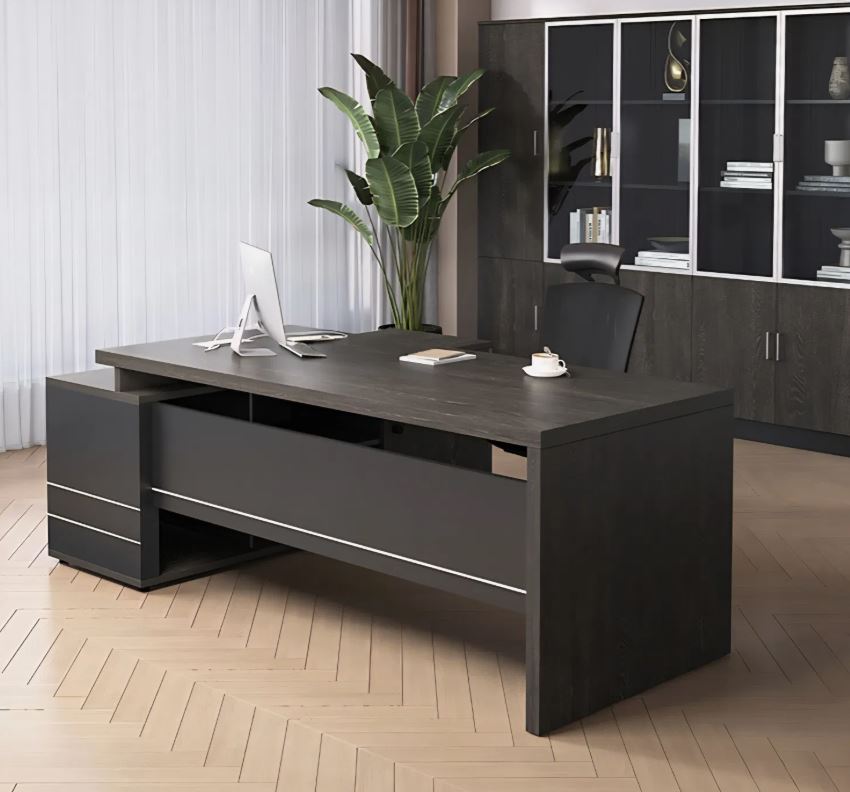
Interior design office furniture plays a crucial role in shaping how a workspace looks, feels, and functions. In today’s fast-paced business environment, companies in cities like Quezon City and Metro Manila are focusing more on creating productive and visually appealing offices. The demand for interior design office furniture has increased because businesses now understand that a well-designed office is not just about aesthetics but also about employee comfort, efficiency, and brand identity. When interior furniture is chosen thoughtfully, it helps create an environment where employees feel motivated and clients feel impressed the moment they walk in. Modern offices are shifting away from traditional setups and adopting flexible layouts that support collaboration, and this shift is strongly influenced by interior furniture trends that prioritize adaptability and smart space usage.
Importance Of Interior Furniture In Productivity
The importance of interior furniture goes far beyond decoration. It directly impacts employee productivity, mental well-being, and overall workflow efficiency. When workers sit on ergonomic chairs and use properly designed desks, they experience less fatigue and more focus throughout the day. Interior design office furniture is designed to support posture, reduce physical strain, and improve comfort, which leads to better performance at work. A clutter-free and well-organized office setup also minimizes distractions, allowing employees to concentrate on their tasks more effectively. Businesses that invest in quality interior furniture often notice improved collaboration among teams because well-planned layouts encourage communication and teamwork. In addition, a well-furnished office reflects professionalism, which builds trust with clients and partners who visit the workplace.
Choosing Interior Design Office Furniture For Small And Large Offices
Selecting the right interior furniture depends heavily on the size and nature of the office space. For small offices, space-saving solutions like compact desks, modular storage units, and multi-purpose furniture are ideal. These choices help maximize available space without making the environment feel crowded. On the other hand, large offices have the flexibility to incorporate executive desks, conference tables, lounge seating areas, and collaborative workstations. Interior furniture should always align with the company’s workflow and culture. For example, creative agencies may prefer open and flexible layouts, while corporate offices may focus on structured and formal setups. It is also important to consider scalability when choosing interior design office furniture so that the office can easily adapt to future expansion or changes in team size. Proper planning ensures that every corner of the workspace is utilized efficiently while maintaining a professional appearance.
Trends In Interior Furniture For 2026
The latest trends in interior design office furniture are heavily influenced by technology, sustainability, and employee wellness. One major trend is the use of ergonomic and adjustable furniture that allows employees to switch between sitting and standing positions. This improves health and reduces long-term strain. Another growing trend is minimalist design, where interior furniture focuses on clean lines, neutral colors, and clutter-free setups that promote mental clarity. Sustainable materials are also becoming popular as businesses aim to reduce their environmental impact by choosing eco-friendly wood, recycled metal, and low-emission finishes. Smart furniture integrated with technology, such as desks with built-in charging ports and cable management systems, is also gaining attention. These modern innovations in interior furniture are helping companies create smarter, more efficient, and future-ready workplaces that support both productivity and employee satisfaction.
Materials And Ergonomics In Interior Design Office Furniture
The choice of materials in interior design office furniture significantly affects durability, comfort, and visual appeal. High-quality wood, steel, and engineered materials are commonly used to ensure long-lasting performance. Ergonomics is another critical factor that cannot be ignored when selecting interior design office furniture. Ergonomically designed chairs with proper lumbar support and adjustable height features help prevent back pain and improve sitting posture. Similarly, desks designed at appropriate heights reduce strain on the neck and shoulders. Interior furniture that combines durability with ergonomic design ensures that employees remain comfortable even during long working hours. Lighting and layout also play an important role, as they complement furniture design and create a balanced working environment. Businesses that prioritize ergonomics in their interior furniture strategy often experience lower absenteeism and higher employee satisfaction.
Final Thoughts
Interior design office furniture is not just about filling office space; it is about creating an environment that enhances productivity, comfort, and brand identity. From small startups to large corporate offices, the right furniture choices can transform the entire work culture. Investing in high-quality interior furniture ensures long-term benefits, including improved employee performance, better space utilization, and a professional office appearance that leaves a lasting impression on visitors. A well-planned office environment reflects the values and vision of a company, making interior furniture an essential part of modern business success. In today’s competitive market, businesses that focus on thoughtful office design gain a strong advantage, and companies like Manila office furniture den understand how important it is to combine functionality with style in every workspace solution.

