

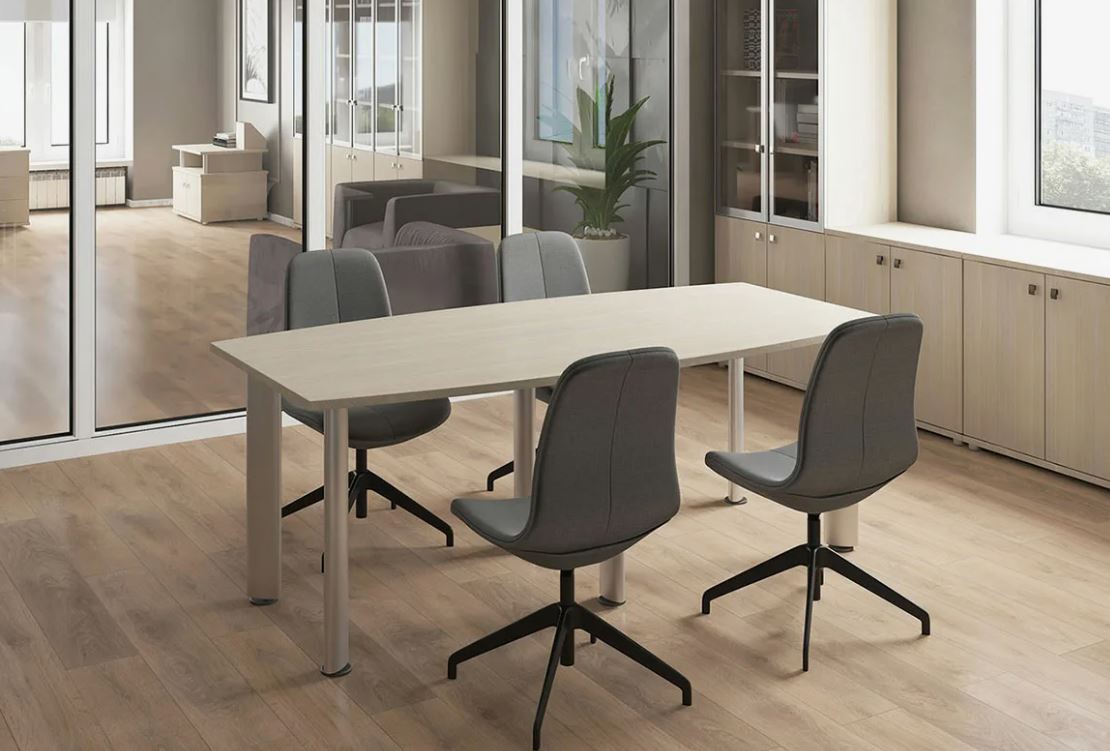
Furniture design tips are essential for creating spaces that are not only visually appealing but also practical and comfortable for daily use. Whether it is an office, home workspace, or commercial setup, good furniture design directly impacts productivity, posture, and overall environment. One of the most important furniture design tips is to always prioritize functionality before aesthetics. A beautiful chair or desk is useless if it does not support proper ergonomics or efficient workflow. In modern interior planning, designers focus on clean layouts, minimal clutter, and smart utilization of available space. This helps create an organized environment where movement is easy and work feels less stressful. Another key approach is to choose furniture that adapts to different needs, such as adjustable desks or modular seating arrangements, which allow flexibility in changing work requirements.
Importance Of Ergonomics In Furniture Design Tips
Ergonomics plays a central role in furniture design tips because it directly affects health and productivity. Poorly designed furniture can lead to back pain, neck strain, and long-term posture issues. That is why ergonomic chairs with proper lumbar support, adjustable height settings, and comfortable cushioning are highly recommended. Desks should be at a suitable height so that arms rest naturally while typing or writing. Another important factor is screen alignment, which should always be at eye level to reduce strain. When applying furniture design tips in any workspace, it is important to understand how users interact with furniture on a daily basis. Small improvements, such as footrests or adjustable armrests, can significantly enhance comfort. Good ergonomics also improves focus and reduces fatigue, making it easier to stay productive for longer hours without discomfort.
Smart Space Planning And Layout Strategies
Effective space planning is one of the most practical furniture design tips for both small and large areas. A well-planned layout ensures that every piece of furniture has a purpose and does not overcrowd the space. In smaller rooms, multifunctional furniture such as foldable desks or storage-integrated tables can save a lot of space. In larger environments, zoning is important to separate different working or activity areas without creating confusion. Another useful strategy is maintaining clear walking paths to ensure smooth movement within the space. Natural light should also be considered when placing furniture, as it enhances mood and reduces eye strain. Proper spacing between furniture pieces creates a balanced look and avoids a cluttered appearance. These furniture design tips help in achieving harmony between functionality and aesthetics, making the environment more efficient and visually appealing.
Material Selection And Durability Considerations
Choosing the right materials is one of the most overlooked furniture design tips, yet it has a long-term impact on durability and maintenance. Wood, metal, and engineered boards each offer different advantages depending on usage. For example, wooden furniture adds warmth and elegance, while metal frames provide strength and a modern industrial look. In high-traffic areas, durable and scratch-resistant surfaces are recommended to maintain appearance over time. Upholstery materials should also be chosen carefully, especially for seating, where comfort and easy cleaning are important. Another aspect to consider is sustainability, as eco-friendly materials are becoming increasingly popular in modern furniture design. Using recyclable or responsibly sourced materials not only benefits the environment but also enhances the value of the design. These furniture design tips ensure that investments in furniture remain practical and long-lasting.
Color Schemes And Aesthetic Balance In Furniture Design Tips
Color selection plays a major role in setting the mood of any space, making it a vital part of furniture design tips. Neutral tones such as white, grey, and beige are commonly used in professional environments because they create a calm and focused atmosphere. On the other hand, accent colors like blue, green, or orange can be used to add personality and energy to the space. It is important to maintain balance so that colors do not become overwhelming. Furniture should complement wall colors, flooring, and lighting to create a unified design. Another useful approach is to follow a minimal color palette, which helps reduce visual clutter and improves concentration. When applied correctly, these furniture design tips create a harmonious environment that feels both modern and welcoming.
Storage Solutions And Organizational Efficiency
Storage is a critical element in furniture design tips because an organized space directly improves productivity and reduces stress. Built-in storage options such as drawers, cabinets, and shelving units help keep essential items within reach while maintaining a clean environment. Vertical storage is especially useful in compact areas, as it maximizes wall space without occupying floor area. Labeling and categorizing storage units also improves efficiency, especially in office environments where documents and supplies need to be easily accessible. Another smart approach is using hidden storage compartments in desks or seating, which helps maintain a minimalist appearance. Good storage planning ensures that everything has a designated place, reducing clutter and improving workflow.
Lighting And Its Impact On Furniture Arrangement
Lighting is often underestimated in furniture design tips, but it significantly affects both functionality and aesthetics. Natural lighting should always be maximized whenever possible, as it improves mood and reduces energy consumption. Artificial lighting should be layered, combining ambient, task, and accent lighting to create a balanced environment. Desk lamps are essential for focused tasks, while ceiling lights provide overall illumination. Furniture placement should always consider light sources to avoid shadows and glare. Reflective surfaces and light-colored furniture can also help distribute light more effectively across the room. Proper lighting enhances the overall design and makes furniture more visually appealing and practical.
Conclusion
Applying effective furniture design tips helps create spaces that are functional, comfortable, and visually balanced. From ergonomics and material selection to lighting and storage solutions, every detail contributes to a better environment that supports productivity and well-being. Thoughtful planning ensures that furniture not only looks good but also serves its purpose efficiently in daily use. A well-designed space reflects professionalism and care in its setup, making it more inviting and practical for long-term use. Manila office furniture den delivers solutions that align with modern furniture design needs, ensuring quality and functionality in every setup.

