

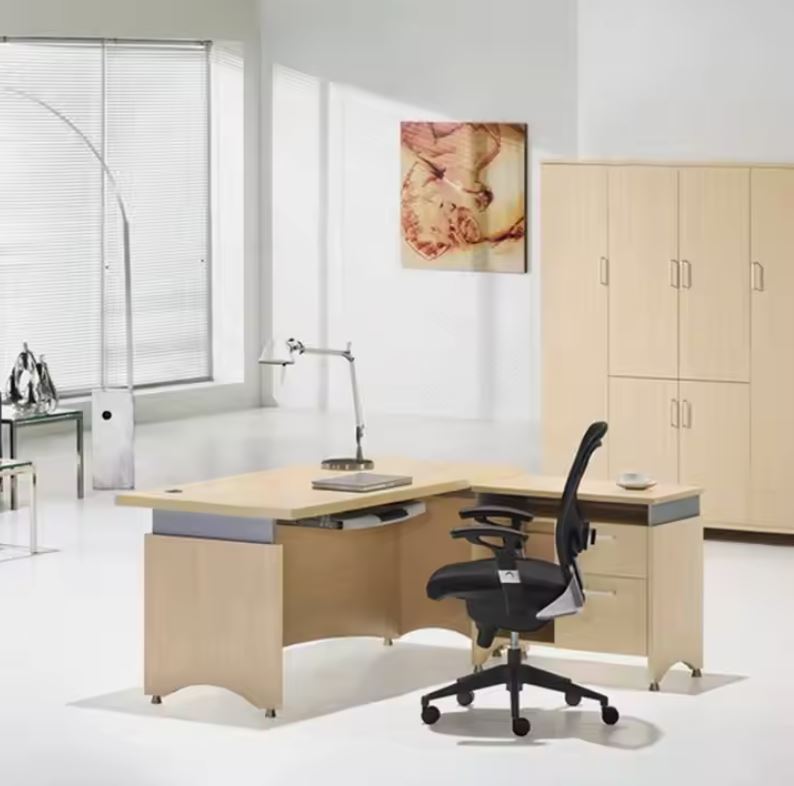
Comfort Furniture Design has become a core requirement in today’s offices, homes, and commercial environments where productivity and well-being go hand in hand. Modern interiors are no longer focused only on appearance; instead, they prioritize long-term comfort, ergonomic support, and practical usability. Businesses and individuals are now actively investing in layouts that improve posture, reduce fatigue, and create a balanced working atmosphere. In workplaces across different stores and corporate environments, furniture is carefully selected to support daily usage without causing strain. Comfort Furniture Design plays a major role in shaping environments where people can focus better, work longer hours with less discomfort, and maintain overall physical health while staying productive.
Importance Of Ergonomic Comfort Furniture Design
The importance of Comfort Furniture Design lies in its ability to support the human body in a natural and healthy position during long working hours. Poor seating and improperly designed desks often lead to back pain, neck strain, and reduced efficiency, which negatively impacts overall performance. Ergonomic principles ensure that furniture is aligned with body posture requirements, offering proper lumbar support, adjustable features, and balanced weight distribution. In offices and home setups across various stores, employers and individuals are increasingly prioritizing ergonomics to reduce health risks. Comfort Furniture Design is not just about physical support but also about mental comfort, as a well-designed space helps users feel relaxed, focused, and more motivated throughout the day.
Key Elements Of Comfort Furniture Design
Comfort Furniture Design includes several essential elements that contribute to its effectiveness and usability in different environments. One of the most important elements is ergonomic seating, which supports the spine and reduces pressure on the lower back. Another key element is adjustable furniture, such as height-adjustable chairs and desks, which allow users to customize their setup according to personal needs. Material quality is also a major factor, as soft cushioning, breathable fabrics, and durable frames ensure long-term comfort and reliability. In addition, layout planning in offices and stores plays a crucial role in maximizing space efficiency while maintaining comfort. Lighting compatibility, mobility features, and multi-functional designs further enhance the value of Comfort Furniture Design in both residential and commercial settings.
Benefits For Offices And Home Environments
The benefits of Comfort Furniture Design extend across both office and home environments, making it a versatile solution for modern living. In office settings, it increases employee productivity by reducing physical discomfort and encouraging better focus during work hours. Comfortable seating and well-designed desks also reduce absenteeism caused by body pain or fatigue. In home environments, Comfort Furniture Design improves relaxation and supports activities such as studying, remote work, and leisure time. Many modern stores now offer furniture that blends aesthetics with comfort, allowing users to maintain stylish interiors without compromising health. Additionally, this design approach helps create organized spaces that improve workflow efficiency and reduce clutter, making daily tasks easier and more enjoyable.
How To Choose The Right Comfort Furniture Design
Choosing the right Comfort Furniture Design requires careful consideration of multiple factors, including usage purpose, available space, and personal comfort preferences. It is important to select furniture that aligns with ergonomic standards and supports natural body posture. Users should also evaluate material durability, cushioning quality, and adjustability features before making a purchase. In offices and retail stores, space optimization is crucial, so furniture should be selected in a way that maximizes functionality without overcrowding the environment. Color coordination and design aesthetics also matter, as they influence the overall mood and visual appeal of the space. Comfort Furniture Design should always be chosen based on long-term usability rather than short-term appearance, ensuring that it continues to provide value over time.
Latest Trends In Comfort Furniture Design
The latest trends in Comfort Furniture Design reflect a growing demand for innovation, sustainability, and smart functionality. One major trend is the use of eco-friendly materials that reduce environmental impact while maintaining durability and comfort. Another popular trend is smart furniture integration, where desks and chairs come with built-in technology such as posture tracking and adjustable memory settings. Minimalist designs are also gaining popularity in modern stores and office spaces, focusing on clean lines, compact structures, and efficient use of space. Modular furniture systems are being widely adopted, allowing users to rearrange and customize their setups according to changing needs. Comfort Furniture Design is also evolving with a strong focus on hybrid work environments, where flexibility and adaptability are key requirements.
Conclusion
In conclusion, Comfort Furniture Design is an essential aspect of modern living that directly impacts productivity, health, and overall lifestyle quality. From ergonomic support to aesthetic appeal, it brings together multiple elements that create balanced and functional environments for both work and relaxation. Investing in well-designed furniture ensures long-term comfort and improved efficiency in daily activities across offices, homes, and commercial spaces. The importance of thoughtful design continues to grow as people become more aware of health and productivity needs. Manila office furniture den understands these evolving requirements and provides solutions that align with modern Comfort Furniture Design standards while enhancing user experience in every space.

