

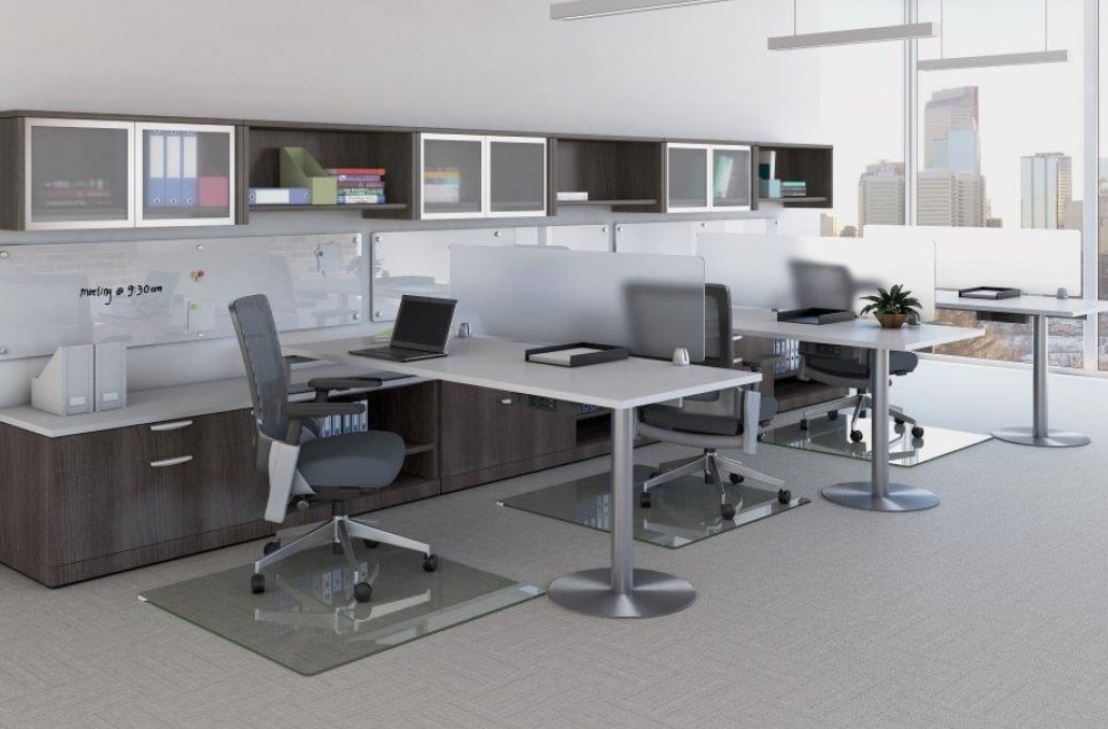
Office furniture planning has become an essential part of modern workplaces, especially as companies focus more on employee comfort, productivity, and long-term efficiency. Many businesses today are shifting away from traditional setups and adopting more flexible seating arrangements that support collaboration and personal comfort. In this context, Office seating solutions play a key role in shaping how a workspace feels and functions because they directly influence posture, movement, and overall work performance. When chosen carefully, seating arrangements can reduce fatigue, improve focus, and create a more organized environment that supports daily operations.
Modern Workplace Design and Office Seating Needs
Modern office environments are no longer limited to rigid desks and fixed chairs. Companies are now designing spaces that encourage movement, flexibility, and collaboration among teams. This shift has increased the demand for ergonomic seating that can adapt to different work styles. Office seating today is not just about having a chair; it is about creating a complete environment where employees can sit comfortably for long hours without discomfort.
Businesses are also focusing on visual harmony and space utilization. Well-planned seating arrangements help maintain open areas while still providing personal workspace for each employee. This balance is important for productivity because cluttered or poorly arranged seating can create distractions and reduce efficiency. As a result, organizations are carefully selecting seating options that match both design aesthetics and functional requirements.
Importance of Ergonomic Comfort in Workspaces
Ergonomic design is one of the most important factors when selecting seating for any office. Employees often spend extended hours sitting at desks, which can lead to back pain, neck strain, and long-term posture issues if the seating is not properly designed. High-quality seating options provide lumbar support, adjustable height, and flexible backrests to ensure comfort throughout the workday.
Comfortable seating directly impacts employee productivity. When workers are physically comfortable, they can focus better on tasks without frequent breaks caused by discomfort or fatigue. This also contributes to a healthier work culture where employees feel valued and supported. Investing in ergonomic seating is not just a design choice; it is a long-term investment in employee well-being and organizational efficiency.
Space Optimization and Office Layout Planning
Efficient use of office space is a critical factor for businesses of all sizes. Whether it is a small startup or a large corporate office, proper layout planning ensures that every square foot is used effectively. Seating arrangements must be designed in a way that maximizes available space while still allowing easy movement and accessibility.
Open-plan offices often require modular seating systems that can be easily rearranged depending on team size or project requirements. On the other hand, private offices may need more structured seating setups that support focused work. In both cases, the goal is to create a balanced environment that does not feel overcrowded or underutilized.
Good space planning also improves communication among teams. When seating is arranged strategically, employees can collaborate more easily without unnecessary barriers, leading to improved workflow and faster decision-making.
Role of Design and Aesthetics in Office Seating
Visual appeal is an important aspect of modern office interiors. A well-designed workspace creates a positive impression on clients and boosts employee morale. Seating plays a major role in defining the overall look of an office because it is one of the most visible and frequently used elements.
Color schemes, materials, and Office seating solutions designs all contribute to the overall atmosphere. Minimalist designs are often preferred in modern offices because they create a clean and professional appearance. At the same time, some organizations prefer bold and creative seating styles to reflect their brand identity and company culture.
The combination of functionality and aesthetics ensures that the office not only performs well but also looks appealing. This balance helps in creating a workspace that employees enjoy spending time in, which indirectly improves productivity and engagement.
Business Growth and Investment in Quality Seating
Investing in high-quality office seating is often seen as a long-term business strategy rather than a short-term expense. Durable seating reduces maintenance costs and minimizes the need for frequent replacements. It also supports employee health, which can reduce absenteeism and improve overall workplace efficiency.
Companies that prioritize employee comfort often experience better retention rates because employees feel more satisfied in their working environment. This is especially important in competitive industries where talent retention plays a crucial role in business success.
Additionally, well-designed seating arrangements can enhance brand reputation. Clients and visitors who enter a well-organized office are more likely to develop a positive impression of the company’s professionalism and attention to detail.
Choosing the Right Seating for Different Work Environments
Different work environments require different seating solutions. For example, collaborative spaces need flexible and movable seating options that can be easily adjusted for group discussions. Executive offices, on the other hand, require premium seating that reflects authority and comfort.
Call centers and operational departments often need seating designed for long hours of continuous use. In contrast, creative workspaces may benefit from more relaxed and informal seating arrangements that encourage brainstorming and innovation.
Understanding the specific needs of each department is essential when selecting seating solutions. A one-size-fits-all approach does not work effectively in modern office environments because each role requires different levels of comfort and functionality.
Conclusion
Selecting the right seating arrangement is a crucial part of building an efficient and productive workplace. From ergonomic comfort and space planning to design aesthetics and long-term investment value, every aspect contributes to the overall success of an organization. Businesses that prioritize thoughtful seating arrangements create healthier, more productive, and more engaging work environments. A well-structured office not only supports employees but also strengthens the company’s professional image. In this regard, Manila office furniture den provides practical and reliable solutions that help businesses build better workplaces through well-designed seating systems.

