

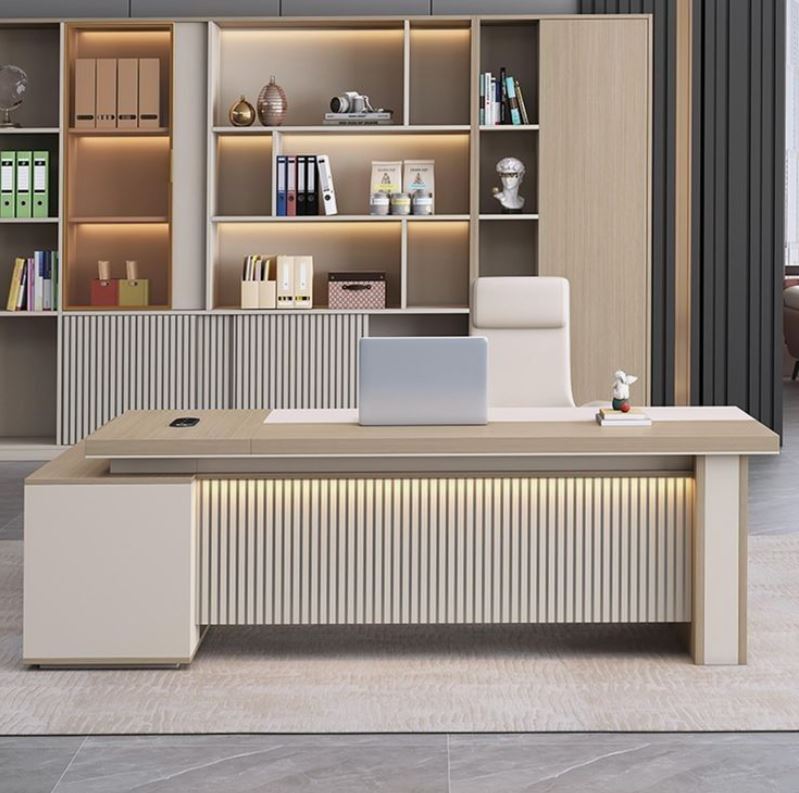
The global design industry is rapidly evolving, and furniture trends 2026 are setting a new direction for how homes and offices are planned, styled, and experienced. In 2026, furniture is no longer just about filling space; it is about creating intelligent, flexible, and comfort-driven environments that support productivity and lifestyle balance. From residential interiors to commercial workspaces, users are demanding smarter layouts, ergonomic support, and long-lasting materials. The furniture trends 2026 also highlight a shift toward minimal yet functional aesthetics where every piece serves a purpose while maintaining visual harmony. This transformation is influenced by hybrid working culture, urban space limitations, and growing awareness of sustainable living. As a result, designers and buyers are focusing on adaptable furniture that can easily adjust to different environments without compromising style or comfort.
Modern Workspace Evolution And Interior Design Shift
One of the most significant changes in furniture trends 2026 is the evolution of modern workspaces. Offices are becoming more dynamic, replacing rigid layouts with flexible zones that support collaboration and focus-based work. Open-plan offices now include modular desks, movable partitions, and multifunctional seating arrangements that allow quick restructuring of space. This approach is also impacting home offices, where compact yet efficient furniture is in high demand. The idea is to maximize productivity without overcrowding the environment. In addition, color psychology and natural lighting integration are becoming key factors in furniture selection. Neutral tones, earthy textures, and clean lines dominate the design language, ensuring a calm and focused atmosphere. Businesses are also prioritizing employee well-being, which means comfortable seating and posture-supportive desks are now essential rather than optional. The furniture trends 2026 clearly indicate that adaptability and human-centered design are now at the core of modern interiors.
Sustainable Materials And Ergonomic Innovations In Furniture Trends 2026
Sustainability continues to be a major driving force in furniture trends 2026, with manufacturers increasingly adopting eco-friendly materials such as recycled wood, bamboo, and low-emission composites. Consumers are now more aware of environmental impact, pushing demand for furniture that is both durable and responsibly produced. Alongside sustainability, ergonomic innovation is also redefining comfort standards. Chairs with adjustable lumbar support, height-adjustable desks, and posture-friendly designs are becoming essential in both residential and commercial spaces. The focus is on reducing physical strain during long working hours and improving overall health. In addition, lightweight yet strong materials are making furniture easier to move and reconfigure, which is ideal for flexible living and working environments. This combination of sustainability and ergonomics is a defining element of furniture trends 2026, reflecting a balance between environmental responsibility and human comfort needs.
Smart Furniture Technology And Digital Integration
Technology is playing a major role in shaping furniture trends 2026, with smart furniture becoming increasingly popular in both homes and offices. Integrated charging ports, wireless connectivity, and sensor-based adjustments are now common features in modern furniture designs. Smart desks that automatically adjust height based on user preference and memory settings are transforming workplace comfort. In homes, smart storage solutions with automated lighting and space optimization features are improving convenience and functionality. These innovations are not just luxury additions but are becoming standard expectations in modern furniture design. The integration of technology also enhances energy efficiency and space utilization, making interiors more responsive to user behavior. As digital lifestyles continue to expand, furniture is evolving into an interactive part of daily life rather than a static object. This technological shift is a core aspect of furniture trends 2026, redefining how people interact with their living and working spaces.
Commercial Spaces And Business Furniture Demands In 2026
Commercial interiors are experiencing a significant transformation due to furniture trends 2026, especially in corporate offices, co-working spaces, and retail environments. Businesses are investing in furniture that supports collaboration, branding, and employee comfort simultaneously. Modular meeting tables, ergonomic chairs, and flexible storage solutions are becoming essential in modern office setups. Retail spaces are also adopting minimalistic yet impactful furniture designs that enhance customer experience and product visibility. Another key trend is the rise of multipurpose furniture that can be easily rearranged based on business needs. This flexibility allows companies to optimize space usage without frequent renovations. Additionally, durability and low maintenance are important considerations for commercial furniture buyers. As companies focus on productivity and aesthetics, the demand for intelligent and adaptable furniture continues to grow. The furniture trends 2026 clearly show that commercial spaces are moving toward smarter, more efficient, and customer-focused environments.
Choosing The Right Furniture Stores In 2026 Market
Selecting the right furniture provider has become crucial in aligning with furniture trends 2026, as quality, design, and customization options vary widely across the market. Customers are now more informed and prefer brands that offer transparency, durability, and modern design choices. It is also important to choose reliable furniture stores that understand evolving market needs and provide solutions tailored to both residential and commercial spaces. Many buyers also consider after-sales support and customization services before making a decision. The growing demand for ergonomic and smart furniture means that not all providers can meet current expectations, making careful selection even more important. When exploring options, it is essential to compare materials, functionality, and long-term value rather than focusing only on price. The emphasis on quality sourcing and design consistency is a key takeaway from furniture trends 2026, ensuring buyers invest in furniture that lasts and adapts to future needs.
Conclusion
The direction of furniture trends 2026 highlights a strong shift toward sustainability, smart technology, ergonomic comfort, and flexible design systems that suit both home and office environments. These trends are reshaping how spaces are planned and how furniture is selected for long-term use. From modern workspaces to commercial interiors, adaptability and innovation are becoming essential requirements. In this evolving landscape, Manila office furniture den plays a key role in delivering furniture solutions that align with modern design expectations and functional needs while supporting the future of interior spaces.

