

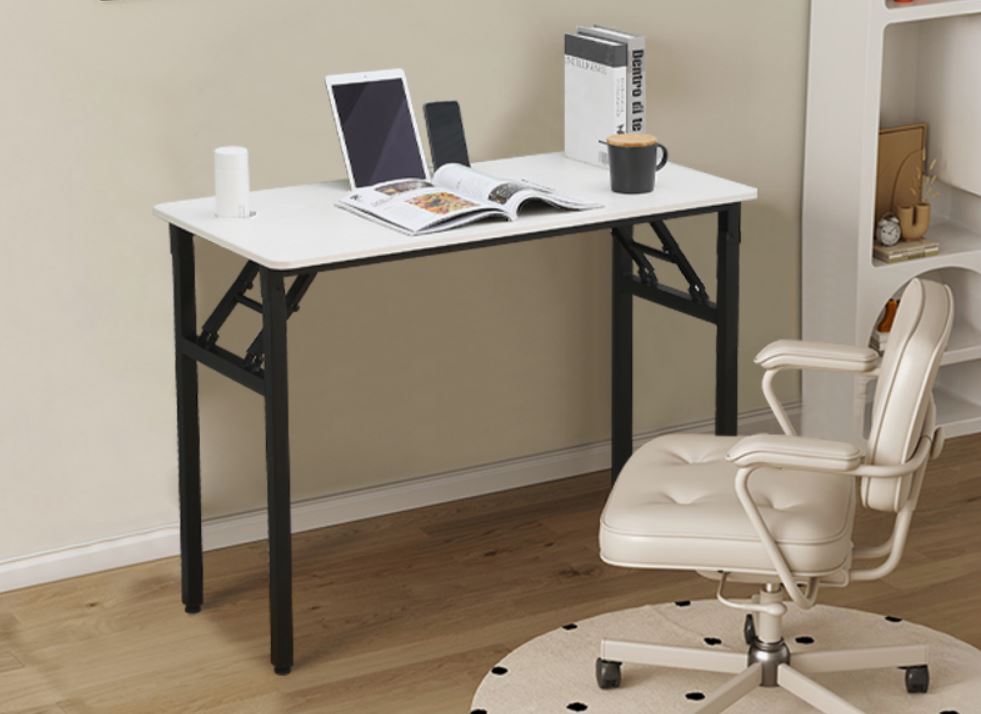
Modern offices need furniture that supports productivity while making the best use of available space. As businesses in Manila and Quezon City adapt to changing workplace needs, flexible furniture has become a practical choice for offices, startups, schools, and shared work environments. Choosing the right furniture can help organizations create comfortable work areas without overcrowding their premises.
The growing demand for adaptable workspaces has made Foldable Office Furniture a valuable option for businesses that need flexibility, convenient storage, and efficient space management. From folding desks and conference tables to stackable chairs and portable workstations, these solutions allow organizations to adjust their layouts according to daily requirements.
What Is Foldable Office Furniture?
Foldable office furniture refers to desks, tables, chairs, and other workplace furnishings designed to fold into a compact shape when not in use. Unlike traditional furniture, which often occupies a fixed amount of space, foldable designs can be stored away or rearranged whenever necessary.
This flexibility makes them suitable for offices with limited floor areas, multipurpose rooms, training facilities, and temporary workspaces. Businesses can arrange furniture for meetings, presentations, collaborative projects, or individual tasks without maintaining a permanent layout.
For example, a small office in Quezon City might use folding desks for daily administrative work and store them after working hours to create room for team discussions. Similarly, a training center in Manila can arrange folding tables for workshops and clear the space when the session ends.
The main advantage is simple: businesses can make better use of their existing space without immediately investing in larger premises.
Why Businesses in Manila and Quezon City Need Flexible Office Furniture
Office space can be expensive to maintain, especially in busy commercial areas. Companies must balance employee comfort, operational requirements, storage needs, and available floor space. Traditional furniture can make this challenging when rooms serve several purposes throughout the day.
Foldable designs offer a practical alternative because they support different activities within the same area. A meeting room can become a training space, a reception area can accommodate temporary workstations, and a small office can create additional room for movement when furniture is not needed.
Businesses in Manila may find these designs useful in compact offices, coworking environments, and commercial buildings where efficient space planning is important. In Quezon City, startups, educational institutions, and growing companies can use flexible furniture to accommodate changing team sizes and activities.
Another benefit is adaptability. When an organization changes its layout or introduces a new working arrangement, movable furniture can make the transition easier. Instead of replacing every item, businesses can rearrange existing pieces to meet their updated needs.
Types of Foldable Office Furniture for Different Workplaces
Selecting the right furniture begins with understanding how each item will be used. Different office environments have different requirements, so businesses should consider both functionality and durability.
Foldable Office Desks
Foldable desks are useful for temporary workstations, small offices, and flexible work arrangements. They can provide a dedicated surface for laptops, documents, office supplies, and other work essentials.
When choosing a folding desk, consider its dimensions, weight capacity, frame stability, and ease of storage. A desk should remain steady during normal work activities and provide sufficient space for the equipment employees use every day.
Businesses that frequently rearrange their offices may benefit from lightweight designs that can be moved without excessive effort.
Folding Conference Tables
Conference tables are essential for meetings, presentations, training sessions, and collaborative discussions. However, a large permanent table may not be practical when a room serves several purposes.
Folding conference tables allow businesses to create a meeting area when required and reclaim floor space afterward. Some designs can also be arranged in different configurations, making them suitable for workshops and group activities.
Before purchasing, check the table’s surface area, folding mechanism, locking features, and ease of movement. These details can influence how efficiently employees prepare rooms for different activities.
Foldable Office Chairs
Foldable chairs provide additional seating for meetings, visitors, training sessions, and temporary office arrangements. They can be stored compactly when not required, helping businesses keep corridors and work areas clear.
Comfort remains important, especially when chairs are used for extended periods. Look for supportive backrests, a stable frame, suitable seat dimensions, and materials that are easy to maintain.
For employees who spend most of their working day seated, a properly fitted ergonomic office chair may be more appropriate than a basic folding chair.
Portable Folding Workstations
Portable workstations help organizations establish temporary work areas in multipurpose rooms or shared offices. They are particularly useful for short-term projects, events, training programs, and businesses that frequently change their floor plans.
When comparing options, consider cable management, surface space, storage requirements, and how easily the workstation can be assembled or folded away.
Foldable Training Tables
Schools, corporate training centers, and educational institutions often need furniture that accommodates different group sizes. Folding training tables can support classroom activities, seminars, examinations, and professional development sessions.
Their main advantage is flexibility. Staff can rearrange tables into rows, small groups, or collaborative layouts depending on the activity.
Key Benefits of Foldable Office Furniture
Better Use of Limited Office Space
One of the biggest advantages is the ability to reclaim usable floor space. Furniture that folds away can help small businesses maintain a more open and organized environment.
This is especially useful when a single room must accommodate workstations, meetings, presentations, and occasional events.
Greater Flexibility for Changing Needs
Businesses rarely maintain exactly the same workspace requirements forever. Teams grow, projects change, and offices adopt new ways of working.
Foldable Office Furniture designs make it easier to adjust the layout without committing to a permanent furniture arrangement. This can be valuable for startups and organizations that expect their needs to change over time.
Convenient Storage
Furniture that folds into a compact shape may require less storage space than conventional alternatives. This can help offices keep unused tables and chairs in a designated storage area rather than leaving them throughout the workplace.
Before buying, measure the available storage area and check the folded dimensions of each product.
Easier Room Reconfiguration
Flexible furniture allows employees or facility managers to prepare rooms for different activities. A training room can be converted into a meeting space, while temporary seating can be added for visitors.
However, the ease of reconfiguration depends on the furniture’s weight, design, and folding mechanism. Businesses should select products that their staff can handle safely.
Potential Cost Efficiency
Foldable furniture may reduce the need to purchase separate furniture for every activity. For example, one multipurpose room equipped with folding tables may serve several functions instead of requiring dedicated rooms for each purpose.
Actual savings depend on product quality, usage frequency, maintenance, storage arrangements, and the business’s existing space requirements.
How to Choose the Right Foldable Office Furniture
Buying office furniture requires more than comparing prices and appearances. The right choice should support everyday tasks, remain reliable under regular use, and suit the available workspace.
Evaluate Your Office Layout
Start by measuring the room where the furniture will be used. Consider desk placement, doorways, walkways, storage areas, and access to electrical outlets.
Remember to account for the space needed to unfold and use each item. A folding table may be compact when stored but still require considerable clearance when opened.
Prioritize Stability and Durability
Check the frame material, joints, hinges, locking mechanisms, and weight capacity. Furniture should remain stable when properly assembled and used according to the manufacturer’s instructions.
For commercial environments, products intended for frequent use may provide better long-term value than lightweight options designed only for occasional activities.
Consider Employee Comfort
Furniture should support the tasks people perform. Employees who use a workstation throughout the day need sufficient desk space, appropriate working height, and suitable seating.
Foldable designs should not compromise essential ergonomic requirements. For permanent workstations, consider adjustable desks and supportive chairs where appropriate.
Check Portability and Storage
If staff regularly move furniture between rooms, weight and handling features become important. Carrying handles, locking wheels where suitable, and simple folding mechanisms can make rearrangement easier.
Also, check whether folded items can be stored vertically or stacked safely. Always follow the manufacturer’s storage instructions to prevent tipping or damage.
Compare Total Value Rather Than Price Alone
A low purchase price does not always mean better value. Consider expected lifespan, maintenance needs, replacement parts, warranty coverage, and suitability for your working environment.
Businesses purchasing several units should also evaluate consistency in size, finish, and quality so the furniture works well as part of a complete office setup.
Foldable Office Furniture vs. Traditional Office Furniture
Both furniture types have advantages, and the best option depends on how a workplace operates.
Traditional office furniture is often suitable for permanent workstations, executive offices, reception areas, and departments that use the same layout every day. It may offer more built-in storage, specialized ergonomic features, or a more substantial appearance.
Foldable furniture is generally more useful when space must serve several purposes. It can support temporary seating, flexible meeting arrangements, and changing room layouts.
A practical office can combine both options. Permanent desks and ergonomic chairs can support daily employees, while folding tables and chairs provide additional capacity for training sessions, meetings, and visitors.
This balanced approach helps businesses maintain comfort without losing the flexibility needed for occasional activities.
Common Mistakes to Avoid When Buying Folding Office Furniture
Businesses can avoid unnecessary expenses by evaluating their needs before placing an order.
- Choosing furniture based on price alone: Check construction quality, stability, and suitability for frequent use.
- Ignoring measurements: Confirm both open and folded dimensions before purchasing.
- Overlooking weight capacity: Ensure tables and desks can support the intended equipment and materials.
- Sacrificing comfort: Select suitable seating and working surfaces for the duration of each activity.
- Forgetting storage requirements: Make sure there is a safe, accessible place for unused furniture.
- Ignoring maintenance: Choose surfaces and materials that are practical to clean and maintain.
- Overlooking safety features: Check hinges, locking mechanisms, pinch points, and stability before use.
Avoiding these mistakes can help organizations select furniture that supports productivity and remains practical over time.
Is Foldable Office Furniture Suitable for Small Businesses?
Yes, foldable office furniture can be particularly useful for small businesses that need to make the most of limited space. Startups, freelancers, consultants, and small administrative teams may not have enough room for separate meeting areas and permanent workstations.
A folding desk can provide a temporary workstation, while a folding table can support client meetings or team discussions. Additional chairs can be stored until visitors arrive.
However, businesses should distinguish between occasional-use furniture and furniture intended for daily, full-time work. Employees who spend long hours at a desk still need suitable ergonomics, adequate legroom, and comfortable seating.
A careful combination of permanent and foldable furniture can help small businesses create a functional workplace without overcrowding the room.
Foldable Office Furniture for Schools, Hospitals, and Corporate Offices
Flexible furniture can serve a wide range of professional environments when selected according to the specific requirements of each setting.
Corporate offices can use folding tables for workshops, project meetings, and temporary collaboration spaces. Schools and training centers can rearrange desks and tables for lessons, examinations, and group activities.
Hospitals and healthcare administration offices may use suitable folding tables for staff training, administrative meetings, and temporary nonclinical work areas. In these environments, cleanability, stability, and compliance with relevant facility requirements should be considered carefully.
Government offices can also benefit from flexible furniture for public consultations, seminars, and temporary service arrangements. Procurement teams should evaluate specifications, expected usage, maintenance, and applicable purchasing requirements before selecting products.
The important consideration is choosing furniture that matches the environment rather than assuming one design will suit every workplace.
Maintaining Foldable Office Furniture for Long-Term Use
Proper maintenance helps preserve both functionality and appearance. Regularly inspect hinges, screws, locks, legs, and other moving components for signs of wear or damage.
Clean surfaces according to the manufacturer’s recommendations, especially when furniture is shared by multiple employees. Avoid using cleaning agents that may damage the finish or weaken certain materials.
Fold and unfold furniture according to the provided instructions. Never force a mechanism that feels stuck, and do not exceed the specified weight capacity.
Store tables and chairs in a dry, suitable area and secure them against tipping where necessary. Damaged furniture should be taken out of service until it can be inspected or repaired safely.
For businesses that use folding furniture frequently, a simple inspection schedule can help identify problems before they interrupt normal operations.
Where to Find Foldable Office Furniture in Manila and Quezon City
Businesses looking for office furniture in Manila and Quezon City should compare products based on durability, functionality, storage requirements, and suitability for their intended use.
Before making a purchase, prepare a list of the furniture required, the number of users, the available floor space, and the expected frequency of use. This information makes it easier to evaluate different options and avoid buying products that do not meet workplace needs.
It is also useful to review product specifications, available finishes, delivery arrangements, warranty conditions, and after-sales support. Businesses purchasing furniture for an entire office should consider how folding tables and chairs will work alongside permanent desks, cabinets, and workstations.
Manila Office Furniture Den can be included in your search when exploring office furniture options for workplaces in Manila and nearby areas. When evaluating suppliers, ask clear questions about product dimensions, materials, load capacity, stock availability, and whether the selected furniture is suitable for commercial use.
A well-planned purchase can help create a workspace that remains organized, adaptable, and comfortable as business requirements evolve.
Frequently Asked Questions
What is foldable office furniture used for?
It is used to create flexible workspaces, temporary workstations, meeting areas, training rooms, and additional seating that can be stored when not needed.
Is foldable office furniture suitable for small offices?
Yes. It can help small offices use limited floor space more efficiently by allowing desks, tables, and chairs to be folded and stored after use.
Which foldable furniture is best for an office?
Folding desks, conference tables, training tables, and chairs are common options. The best choice depends on available space, frequency of use, employee comfort, and storage requirements.
Is foldable office furniture durable enough for commercial use?
It can be, provided the products are designed for the expected workload. Check the frame construction, weight capacity, hinges, locking mechanisms, and manufacturer’s usage recommendations.
Can foldable furniture be used for daily work?
Yes, some products are designed for regular use. However, employees working long hours should have appropriate ergonomic support, adequate desk space, and comfortable seating.
How do I maintain folding office tables and chairs?
Inspect moving parts regularly, clean surfaces according to manufacturer instructions, avoid exceeding weight limits, and store the furniture safely when not in use.
How can businesses choose foldable office furniture in Manila?
Businesses should measure their available space, identify their operational needs, compare product specifications, and evaluate durability, delivery arrangements, and warranty coverage before purchasing.
Conclusion
Foldable office furniture offers a practical way to create flexible, organized, and space-efficient workplaces. From small offices and startups to corporate training facilities and educational institutions, these designs help businesses adapt their surroundings to different activities without permanently occupying valuable floor space.
The best results come from choosing furniture that balances portability, stability, durability, comfort, and ease of storage. Businesses should assess their layouts, consider how frequently each item will be used, and select products that support their employees’ everyday requirements.
For organizations exploring office furniture solutions in Manila and Quezon City, Manila Office Furniture Den is a brand to consider as part of the supplier evaluation process. By planning purchases carefully and prioritizing long-term usability, businesses can build workspaces that accommodate changing needs while maintaining a professional and productive environment.

