

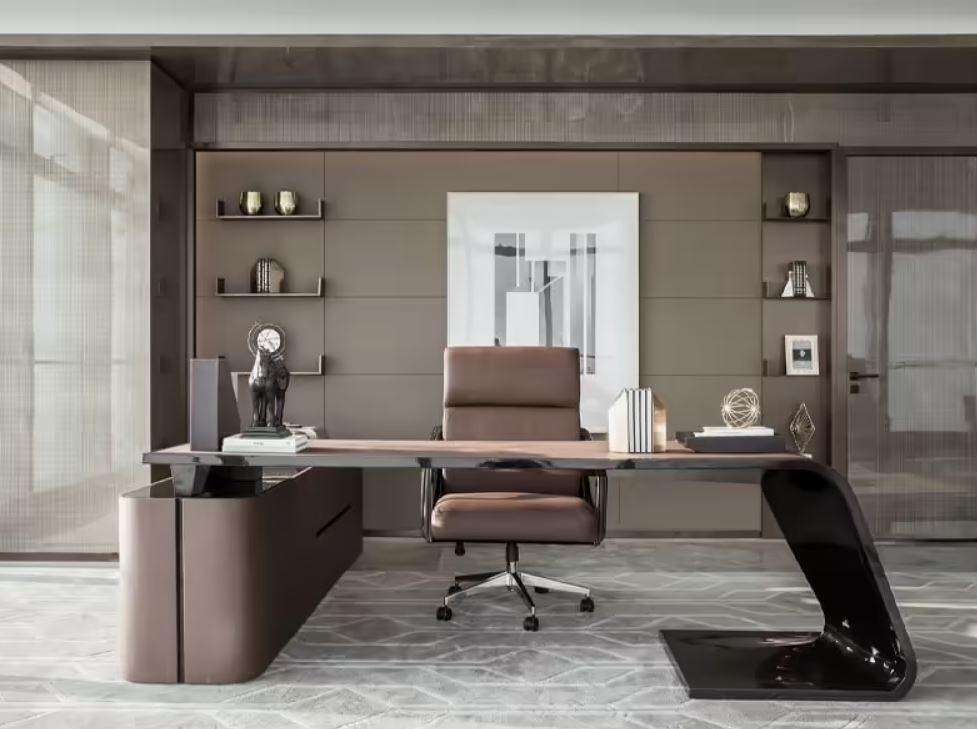
A well-designed office creates a comfortable environment where employees can focus, collaborate, and perform their best. The right furniture also helps businesses maintain an organized appearance while making better use of available space. Whether you are setting up a corporate office, a startup workspace, a home office, or a private executive room, selecting suitable Office Room Furniture can improve both functionality and professional presentation. From ergonomic chairs and spacious desks to storage cabinets and meeting tables, every furniture choice should support the daily needs of your team.
Why Office Room Furniture Matters for Modern Businesses
Office furniture is more than a collection of desks and chairs. It plays an important role in employee comfort, workplace organization, and the overall impression a business creates. A thoughtfully furnished office allows employees to work efficiently without feeling restricted by uncomfortable seating, limited desk space, or cluttered surroundings.
For businesses in Manila and Quezon City, selecting furniture that suits the office layout is particularly important. Offices may range from compact startup spaces to large corporate environments with dedicated meeting rooms, reception areas, and management offices. Choosing furniture according to the available space and work requirements helps businesses maintain a balanced and practical environment.
Comfort should always be a priority. Employees who spend long hours at their desks need supportive chairs, suitable desk heights, and enough room to position their equipment. Similarly, organized storage solutions help reduce clutter and make essential documents easier to access. These details contribute to a more professional and productive workplace.
Types of Office Furniture for Different Workspaces
Every office has different requirements, so the furniture selection should reflect the purpose of each room. Understanding the main furniture categories can help business owners and procurement teams make informed purchasing decisions.
Office Desks for Daily Productivity
Office desks provide the primary workspace for employees, managers, and business owners. The right desk should offer sufficient surface area for computers, documents, office supplies, and other essential equipment. Its dimensions should also allow employees to move comfortably without obstructing walkways.
Compact desks are suitable for smaller offices, while larger workstation desks can accommodate employees who need multiple monitors or additional working space. Executive desks offer a more substantial design for management offices, combining functionality with a professional appearance.
Before choosing a desk, consider its dimensions, material, cable management features, storage options, and compatibility with the office layout. A suitable desk should support daily tasks without making the room feel crowded.
Ergonomic Office Chairs for Employee Comfort
Office chairs directly influence how comfortably employees can work throughout the day. A chair with adjustable height, supportive backrest, appropriate seat depth, and suitable lumbar support can help employees maintain a more comfortable sitting position.
Different employees may require different chair features. Task chairs are useful for everyday desk work, while executive chairs may suit management offices. Visitor chairs are designed for reception areas, consultation rooms, and meeting spaces.
When comparing office chairs, consider adjustability, material quality, weight capacity, ease of cleaning, and warranty coverage. Businesses should also evaluate whether the chairs suit the expected hours of use and the needs of their employees.
Office Cabinets and Storage Solutions
An organized workspace helps employees locate important materials and maintain a clean working environment. Office cabinets, filing cabinets, mobile pedestals, bookshelves, and lockable storage units provide practical ways to manage documents and supplies.
For offices that handle confidential paperwork, secure cabinets can support better document management. Open shelving may work well for frequently used resources, while mobile pedestals provide convenient storage near individual workstations.
The best storage arrangement depends on the volume of materials, available floor space, and security requirements. Businesses should measure the room before purchasing cabinets to ensure that doors, drawers, and walkways remain accessible.
Meeting Tables and Conference Room Furniture
Meeting rooms need furniture that encourages communication and supports collaboration. A suitable conference table should provide enough space for participants, laptops, notebooks, and presentation materials.
Small rectangular tables may work well for team discussions, while larger conference tables can accommodate formal meetings and client presentations. Comfortable chairs and well-planned furniture placement also help participants use the room effectively.
When selecting meeting Office Room Furniture, consider the number of expected participants, available floor space, electrical access, and the type of meetings held regularly. Flexible furniture arrangements can be useful for businesses that conduct training sessions, interviews, and collaborative workshops in the same room.
How to Choose Office Room Furniture for Your Space
Buying furniture without evaluating the workplace can lead to unnecessary expenses and inefficient layouts. A clear purchasing plan helps businesses select products that meet their operational needs while making the most of their budgets.
Measure the Available Office Space
Start by measuring the room’s length, width, doorways, and other important areas. Identify windows, electrical outlets, columns, and existing fixtures that may affect furniture placement.
Create a simple floor plan showing desks, chairs, storage units, and meeting areas. Leave enough room for employees to move safely and access cabinets without difficulty. In smaller offices, carefully selected furniture can help prevent overcrowding and preserve useful floor space.
Establish a Realistic Furniture Budget
Furniture budgets should account for more than the initial purchase price. Consider delivery, installation, maintenance, replacement parts, and the expected lifespan of each item.
Lower-cost furniture may be suitable for temporary workspaces or limited-use areas. However, businesses that use furniture daily may benefit from investing in durable materials and reliable construction. Comparing several options helps procurement teams balance affordability with long-term value.
Consider Materials and Durability
Furniture materials affect appearance, maintenance, durability, and cost. Laminated boards are common in office desks and cabinets because they offer a range of finishes and are relatively easy to clean. Metal frames can provide structural support, while solid wood may offer a distinctive appearance in executive or reception spaces.
The best material depends on the furniture’s intended use, maintenance requirements, and budget. In the Philippines, where humidity and seasonal weather can affect indoor environments, it is sensible to ask suppliers about moisture resistance, appropriate cleaning methods, and recommended care.
Match Furniture With Your Office Design
Furniture should complement the business’s visual identity without sacrificing functionality. Neutral colors and simple designs can create a clean, professional appearance. Wood finishes may add warmth, while metal accents and minimalist desks can suit contemporary offices.
Consistency across workstations, meeting rooms, and reception areas can make the entire office feel coordinated. However, not every room needs identical furniture. Executive offices, collaborative spaces, and visitor areas may require different styles and functional features.
Office Room Furniture Ideas for Manila and Quezon City
Businesses in Manila and Quezon City operate in a variety of office environments, from compact commercial units to larger corporate premises. The most suitable furniture depends on the property’s dimensions, employee requirements, and business operations.
For small offices, compact desks, vertical storage, mobile pedestals, and chairs that fit comfortably beneath desks can help maximize available space. Shared workstations may also be practical for teams that do not require permanently assigned desks.
For corporate offices, modular workstations, ergonomic seating, organized cable management, and dedicated meeting tables can support a more structured working environment. Separate storage areas can help maintain tidy desks and accessible shared resources.
For executive rooms, a well-proportioned desk, a comfortable office chair, practical storage, and a small meeting area can create a professional setting for private discussions. Reception areas may benefit from a welcoming reception desk, visitor seating, and discreet storage for documents and office supplies.
Schools, clinics, hospitals, and government offices may have additional requirements involving frequent use, cleaning, accessibility, storage security, and procurement procedures. Buyers should identify these needs before comparing products or requesting quotations.
Current Office Furniture Design Considerations
Modern office design increasingly focuses on flexibility, comfort, and efficient space utilization. Businesses can apply these principles without completely redesigning their workplaces.
Flexible and Modular Workstations
Modular furniture allows businesses to arrange desks and workstations according to changing team sizes and responsibilities. This approach can be useful for growing companies that expect to recruit additional employees or reorganize departments.
Before selecting modular furniture, check whether individual components can be rearranged, expanded, or replaced without purchasing an entirely new system.
Practical Cable Management
Computers, monitors, chargers, and other electronic devices can quickly create clutter. Desks with cable trays, concealed wire openings, and suitable power access help maintain a cleaner workspace.
Good cable management also supports easier cleaning and reduces loose cables around walkways. Businesses should ensure that electrical arrangements follow applicable safety requirements.
Furniture That Supports Employee Well-Being
Comfortable seating, suitable desk heights, adjustable equipment, and sufficient personal workspace can support healthier working habits. Businesses can also arrange furniture to provide natural movement between workstations and shared areas.
Furniture alone cannot guarantee productivity or prevent discomfort, but thoughtful selection can remove common obstacles that make daily work less convenient.
Common Mistakes to Avoid When Buying Office Furniture
Even businesses with clear budgets can make purchasing decisions that create problems later. Avoiding a few common mistakes can help reduce unnecessary costs and improve the overall office setup.
- Ignoring measurements: Furniture that looks suitable in a showroom may be too large for the intended room.
- Choosing price over quality: Low initial prices may not represent good long-term value if products require frequent repairs or replacement.
- Overlooking ergonomics: Uncomfortable chairs and poorly matched desks can make long working hours more difficult.
- Buying unnecessary furniture: Excess desks and cabinets consume valuable space and may increase purchasing costs.
- Ignoring storage needs: Insufficient storage can lead to clutter and make documents harder to locate.
- Forgetting maintenance: Materials should suit the cleaning routine and expected level of daily use.
- Failing to check warranties: Buyers should understand the coverage period, exclusions, and process for handling defects.
A practical approach is to prepare a furniture checklist, measure the workspace, compare product specifications, and confirm delivery and installation arrangements before placing an order.
How to Evaluate an Office Furniture Supplier
Choosing the right supplier is just as important as choosing the furniture itself. A reliable supplier should provide clear product specifications, realistic pricing, and helpful information about materials, dimensions, and warranty terms.
Start by checking whether the supplier offers the furniture categories your business needs. Purchasing desks, chairs, storage cabinets, and meeting tables through a coordinated selection process may simplify planning and help maintain a consistent office design.
Ask for quotations that clearly identify product dimensions, materials, quantities, delivery charges, installation costs, and applicable warranties. If several options are available, compare them according to durability, functionality, and suitability rather than appearance alone.
Businesses in Manila and Quezon City should also confirm delivery coverage, estimated lead times, installation availability, and the procedure for addressing damaged or defective items. For larger projects, request detailed specifications and confirm that the proposed furniture meets the organization’s operational requirements.
Why Office Furniture Planning Is a Long-Term Investment
Furniture decisions can affect how a workplace functions for years. Choosing durable desks, supportive chairs, and suitable storage solutions may reduce the need for frequent replacements and help maintain an organized office.
A well-planned furniture layout can also support future growth. Businesses that anticipate additional employees should consider whether their desks, workstations, and storage systems can accommodate expansion. Modular products and adaptable layouts may offer useful flexibility.
Long-term value also depends on maintenance. Following recommended cleaning instructions, tightening loose fittings, inspecting moving parts, and addressing minor damage early can help preserve furniture condition. Regular reviews allow office managers to identify items that need repair or replacement before they become disruptive.
Rather than purchasing furniture solely to improve appearance, businesses should evaluate how each item contributes to employee comfort, operational efficiency, organization, and the professional image they want to present to visitors.
Frequently Asked Questions About Office Room Furniture
What furniture is essential for a new office?
Essential items usually include office desks, ergonomic chairs, storage cabinets, and suitable lighting. Meeting tables, reception furniture, and additional workstations depend on the size and purpose of the office.
How do I choose furniture for a small office?
Measure the available space and prioritize compact desks, appropriately sized chairs, vertical storage, and multifunctional furniture. Maintain clear walkways and avoid purchasing items that are not necessary for daily operations.
Which office chair is suitable for long working hours?
Look for a chair with adjustable height, lumbar support, suitable seat depth, and a comfortable backrest. The best option should fit the user’s body, desk height, and working requirements.
What should businesses consider when buying office furniture in Manila?
Businesses should evaluate available space, budget, furniture quality, delivery coverage, installation services, warranty terms, and the specific needs of their employees. Comparing detailed quotations can make purchasing decisions easier.
How can office furniture improve workplace productivity?
Well-selected furniture can support comfortable working positions, reduce clutter, improve organization, and make collaboration easier. Its benefits depend on how well the furniture fits employees’ tasks and the office layout.
How often should office furniture be replaced?
There is no single replacement schedule for every item. Furniture should be assessed according to its condition, structural safety, comfort, maintenance costs, and suitability for current workplace needs.
Create a More Functional Workspace With Manila Office Furniture Den
Choosing the right office furniture begins with understanding how people work, how much space is available, and what the business needs to achieve. From ergonomic chairs and practical office desks to storage cabinets and conference tables, every selection should contribute to a comfortable, organized, and professional environment.
Businesses in Manila and Quezon City can benefit from comparing furniture dimensions, materials, durability, warranty coverage, and delivery arrangements before making a final decision. A carefully planned office can support employee comfort, improve the use of available space, and create a positive impression on clients and visitors.
Manila Office Furniture Den can be included in your furniture planning process when exploring suitable options for a new office, an expanding business, or a workplace renovation. Start by listing your essential furniture requirements, setting a realistic budget, and identifying the layout that best supports your team’s daily activities. These practical steps can help you make informed purchasing decisions and build a workspace that remains functional as your business grows.

