

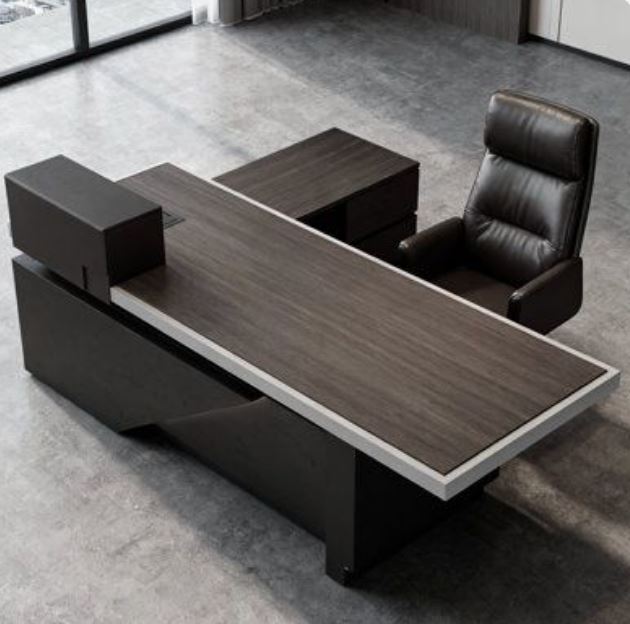
A well-planned employee workspace can make an office feel more organized, comfortable, and efficient. Whether you are furnishing a startup, expanding a corporate office, setting up a school administration area, or renovating a professional workplace, choosing the right Employee Desk Philippines solution requires more than simply selecting a table that fits the room. The desk should provide enough working space, support everyday equipment, manage cables effectively, and complement the overall office layout.
In the Philippines, businesses often need office furniture that balances practicality, durability, appearance, and available floor space. A good employee desk should therefore match the way employees actually work while also supporting the needs of the organization.
What Is an Employee Desk?
An employee desk is a dedicated workstation designed for everyday staff activities such as computer work, documentation, meetings, communication, and administrative tasks. Depending on the workplace, it can be a standalone office desk, a shared workstation, a modular desk system, or part of an office cubicle.
The right configuration depends on the employee’s role. An accountant may need space for monitors, documents, and filing accessories. A customer service team may benefit from compact individual workstations arranged in rows. Designers may require larger surfaces for drawings, screens, and project materials.
For this reason, businesses should consider function before choosing a desk style.
How to Choose an Employee Desk in the Philippines
The best desk for one workplace may not be suitable for another. Before purchasing office furniture, evaluate the available space, number of employees, daily activities, equipment, storage requirements, and desired office layout.
Start by measuring the room and identifying fixed elements such as doors, windows, columns, electrical outlets, and walkways. Then determine how much workspace each employee realistically needs.
A practical employee desk should provide enough surface area for a computer or laptop, keyboard, mouse, documents, and everyday accessories without making the workstation unnecessarily large.
Businesses should also consider whether employees need individual privacy. Desks with modesty panels, divider screens, or workstation partitions can create clearer personal zones while maintaining an open-office environment.
Employee Desk Sizes and Workspace Planning
Desk dimensions should be selected according to the employee’s responsibilities and the available floor area.
Compact desks can work well in small offices, reception areas, administrative departments, and workplaces where several employees need to share limited space. Larger desks may be more appropriate for employees who use multiple monitors, handle paperwork, or require additional equipment.
For larger teams, modular workstation systems can make space planning easier. Instead of placing individual desks randomly throughout the office, multiple workstations can be arranged into two-person, four-person, six-person, or larger clusters.
This approach can help create a consistent office layout while making electrical and cable management easier to organize.
Popular Employee Desk Configurations
Different businesses require different workstation arrangements. Some of the most practical options include:
Single employee desks: Suitable for individual workspaces, administrative offices, and departments that require more personal space.
Two-person workstations: Useful for small teams that need efficient use of floor space while maintaining defined work areas.
Cluster workstations: Designed for departments where employees frequently collaborate or perform similar tasks.
L-shaped workstations: Helpful for employees who need additional surface area for monitors, paperwork, equipment, or project materials.
Partitioned workstations: Suitable for businesses that want visual separation and greater privacy without building permanent walls.
Custom workstation systems: Useful when a company has unusual room dimensions, specific storage requirements, or a large number of employees to accommodate.
For businesses in Manila and Quezon City, choosing the configuration before ordering furniture can prevent wasted floor space and unnecessary modifications later.
Why Cable Management Matters
Employee Desk Philippines often use laptops, monitors, phones, chargers, printers, and other electronic equipment. Without proper cable management, desks can quickly become cluttered.
Look for employee desks with practical cable-management features such as wire grommets, cable openings, integrated channels, or space for routing cables beneath the work surface.
Good cable organization can make workstations easier to clean and maintain. It can also create a more professional appearance for clients and visitors.
For large workstation installations, planning electrical outlets and data connections alongside the furniture layout is particularly important.
Materials to Consider When Buying Office Desks
The material of an employee desk affects its appearance, maintenance requirements, durability, and overall cost.
Engineered boards with laminate finishes are commonly used for office furniture because they can provide a practical surface for everyday work. Metal frames can add structural stability, while PVC edge banding can help protect exposed board edges.
The choice should reflect the intensity of use. A desk for occasional administrative work may have different requirements from a workstation used continuously by employees throughout the working day.
Businesses should also consider the local environment. Office furniture used in the Philippines should be selected with practical maintenance and moisture considerations in mind.
Employee Desks for Small Offices
Small businesses often need to maximize every square meter. Oversized desks can reduce circulation space and make an office feel crowded.
Compact employee desks, straight workstations, and carefully planned two-person configurations can provide an efficient alternative. Storage can also be integrated through mobile pedestals, under-desk drawers, shelves, or shared storage cabinets.
Before buying, create a basic floor plan. Mark the desk positions, employee seating areas, walkways, doors, and storage locations. This simple exercise can reveal whether the proposed furniture arrangement will actually work.
Employee Desks for Corporate Offices
Corporate environments often require a consistent appearance across multiple departments. Standardized desks can make the office look organized while simplifying future expansion.
For larger installations, businesses may choose modular workstations that can be reconfigured when teams grow or departments move.
Privacy screens can also be useful where employees need concentration while still working within an open-plan environment.
A corporate furniture plan should consider more than the desk itself. Employee chairs, storage, partitions, meeting areas, reception furniture, lighting, and circulation routes should work together as one workplace system.
Employee Desks for Manila and Quezon City Offices
Office furniture requirements can vary significantly depending on the building, floor area, workforce, and business type. Companies in Manila and Quezon City may operate in compact commercial spaces where efficient planning is essential.
Before purchasing desks, businesses should confirm delivery access, elevator dimensions, installation requirements, and available workspace. This is especially important for larger workstation systems.
A supplier that understands office furniture planning can also help businesses determine suitable configurations instead of simply selling individual desks.
For organizations furnishing an entire department, discussing the layout before ordering can help reduce installation problems and unnecessary furniture changes.
What Should You Check Before Buying Employee Desks?
Use this checklist before making a purchase:
- Measure the available floor area.
- Determine the number of employees.
- Identify the equipment each employee uses.
- Select appropriate desk dimensions.
- Consider privacy requirements.
- Check cable-management options.
- Evaluate storage requirements.
- Review materials and surface finishes.
- Confirm installation requirements.
- Check delivery access.
- Plan electrical and data connections.
- Consider future employee expansion.
- Compare customization options.
- Request a quotation based on the actual office layout.
This approach makes the buying process more structured and reduces the risk of choosing furniture that looks good online but does not work well in the actual office.
Why Customized Employee Desks Can Be Useful
Standard desks are practical when the office has straightforward dimensions. However, some businesses have irregular rooms, columns, narrow areas, unusual wall positions, or specific department requirements.
Customized workstations can be designed around these limitations. Businesses may be able to select dimensions, finishes, partitions, storage arrangements, workstation capacity, and other features according to their project.
Customization can be particularly useful for companies furnishing an entire office rather than purchasing one or two desks.
The key is to begin with the actual requirements instead of adding unnecessary features. A customized desk should solve a genuine workspace problem.
Creating a Productive Employee Workspace
A productive workstation is not determined by the desk alone. The surrounding environment also matters.
Employees need sufficient space to move comfortably, appropriate seating, organized storage, suitable lighting, and easy access to essential equipment.
The desk should support the employee’s daily workflow. Frequently used items should remain within easy reach, while unnecessary objects should not occupy valuable work-surface space.
For team offices, workstation placement should also consider communication. Employees who collaborate frequently may benefit from shared configurations, while departments requiring concentration may benefit from additional separation.
How Much Should You Spend on Employee Desks?
There is no single price that applies to every employee desk. Cost depends on dimensions, materials, construction, storage, partitions, customization, quantity, installation, and other project requirements.
Instead of comparing only the purchase price, businesses should consider the total value of the furniture.
A low-cost desk may not be the right choice if it does not meet the required dimensions, storage needs, or durability expectations. Likewise, an expensive configuration may include features that a particular business does not need.
For larger projects, request a detailed quotation based on the number of employees and required workstation configuration. This provides a more meaningful basis for comparison.
Why Choose Manila Office Furniture Den?
Choosing office furniture is an important investment because desks become part of the everyday working environment. Manila Office Furniture Den can be considered when businesses are planning employee workstations, office desks, and customized workspace solutions for professional environments.
Instead of selecting furniture based only on appearance, businesses should discuss their employee count, available floor space, preferred layout, storage requirements, and budget before finalizing an order.
A project-focused approach can help ensure that the selected desks work with the office rather than against it.
Final Buying Advice
The right employee desk should balance workspace, durability, organization, appearance, and efficient use of floor area. Businesses should consider the employee’s daily tasks, equipment requirements, office dimensions, privacy needs, storage, and future growth before making a purchase.
Whether you are furnishing a small startup, a corporate department, school office, healthcare facility, or government workspace, careful planning can make the furniture investment more practical.
If you are planning an office furniture project in Manila or Quezon City, prepare your floor dimensions and employee requirements first. Then request a quotation based on the actual number of workstations and desired configuration. This makes it easier to compare options and select a solution that fits both your workplace and business needs.
What is the ideal employee desk size?
The ideal size depends on the employee’s equipment, tasks, available floor space, and office layout.
What type of desk is suitable for a small office?
Compact straight desks or modular two-person workstations can be practical choices when floor space is limited.
Are customized employee desks worth considering?
Customization can be useful when a workplace has unusual dimensions, specific storage needs, or a large workstation project.
What features should an employee desk have?
Useful features can include adequate workspace, cable management, durable materials, storage options, and suitable privacy solutions.
Can employee desks be used for multiple employees?
Yes. Modular workstation systems can combine multiple individual work areas into two-, four-, or larger employee configurations.
Where can I buy employee desks in Manila?
Businesses can compare office furniture suppliers serving Manila based on product quality, customization, installation, delivery, and project requirements.
How should I choose desks for a Quezon City office?
Start with the floor dimensions, employee count, work requirements, equipment, storage needs, and preferred workstation arrangement.

