

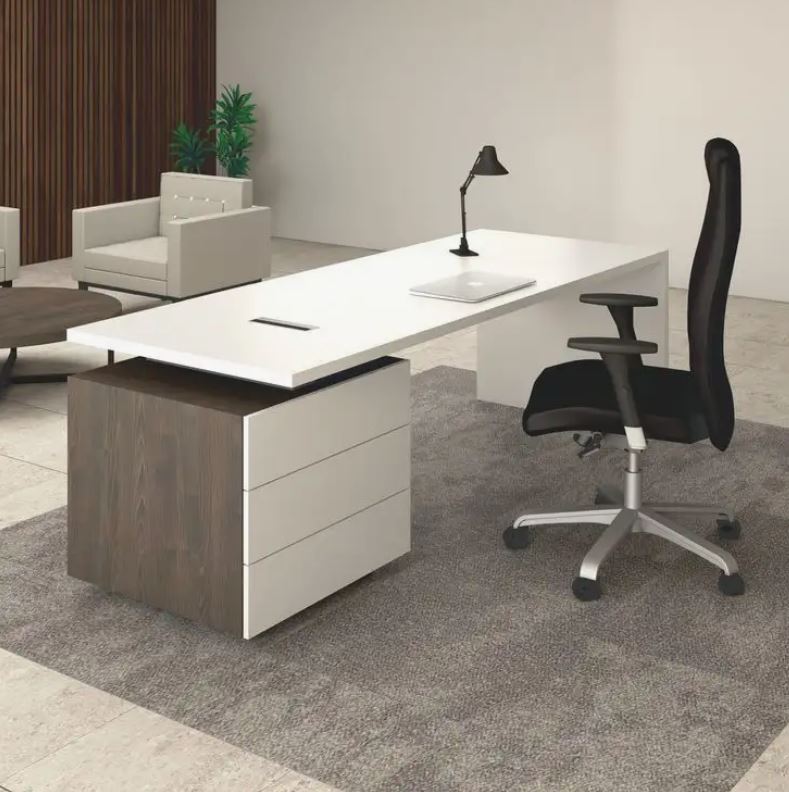
Choosing the right office furniture is about more than filling an empty workspace. The furniture you select affects how employees work, how clients perceive your business, and how efficiently you use available space. For companies planning a new office or updating an existing one, Furniture Designs Philippines can provide a useful starting point for exploring styles, layouts, materials, and functional solutions suited to local workplaces.
Modern offices in Manila and Quezon City increasingly need furniture that balances appearance, comfort, durability, and practical use. A well-planned workspace may include executive desks, workstations, office chairs, conference tables, reception counters, filing cabinets, storage units, and collaborative furniture. The key is choosing pieces that work together rather than selecting individual products without considering the overall office layout.
Why Office Furniture Design Matters
Office furniture plays an important role in workplace functionality. A poorly planned office can feel crowded, uncomfortable, and difficult to navigate. In contrast, thoughtfully designed furniture can help create clear work zones while making better use of available floor space.
Furniture design also influences the visual identity of a company. An executive office may require a more refined appearance, while a startup might prefer flexible workstations and collaborative seating. A reception area needs to create a welcoming first impression, while a meeting room should support communication between employees, clients, and business partners.
For Philippine businesses, furniture selection should also consider the practical demands of everyday use. Materials, construction quality, maintenance requirements, available space, and local working conditions can all affect the long-term value of an office furniture investment.
Popular Furniture Designs Philippines Offices Can Consider
There is no single furniture style that works for every business. The best choice depends on the company’s industry, workforce, available space, brand identity, and budget.
Modern office tables with clean lines are suitable for businesses that want a simple and professional environment. L-shaped desks can make good use of corners while providing additional workspace. Executive desks offer a larger working surface and can create a strong presence in private offices.
Open-plan workstations remain useful for companies that want employees to collaborate while maintaining defined individual work areas. Modular workstation systems can also provide flexibility when teams expand or office layouts change.
For smaller offices, compact desks, mobile pedestals, vertical storage, and space-efficient workstations can help maximize floor space. Meanwhile, larger corporate offices may benefit from benching systems, departmental workstations, conference furniture, and dedicated collaboration areas.
How To Choose Furniture For A Philippine Office
The first step is to understand how the office will actually be used. Consider the number of employees, departments, visitors, meeting requirements, storage needs, and available floor area before selecting furniture.
Measurements are particularly important. A Furniture Designs Philippines may look suitable in a showroom but become impractical when placed in a small office with limited walking space. Furniture should leave sufficient room for movement, doors, drawers, chairs, and shared areas.
Ergonomics should also be considered. Employees may spend many hours at their desks, so desks and chairs should support comfortable working positions. Adjustable office chairs, appropriate desk heights, adequate legroom, and monitor positioning can contribute to a more comfortable workstation.
Durability is another major consideration. Office furniture is used frequently, so construction quality matters. Businesses should look beyond appearance and evaluate the materials, hardware, frame construction, surface finish, and expected maintenance requirements.
Modern Office Table Designs For Different Work Areas
Office tables can serve different purposes, and their designs should match their intended use.
Executive tables are generally designed for private offices and leadership spaces. They often provide a substantial work surface and storage options while creating a formal appearance.
Workstation desks are better suited to everyday employee operations. They can be configured individually or grouped into larger workstation systems, depending on the office layout.
Conference tables should provide enough space for meetings without making the room difficult to navigate. The appropriate shape can depend on room dimensions and meeting style.
Reception desks have a different function. They should provide enough working space for reception staff while also presenting a professional appearance to visitors.
Training tables and multipurpose tables can be useful for schools, training centers, meeting rooms, and businesses that frequently change room configurations.
Furniture Ideas For Small Offices In Manila And Quezon City
Limited office space does not necessarily mean that a business has to compromise on functionality. The right furniture arrangement can make a smaller workspace feel more organized.
Compact workstations can reduce unnecessary floor usage. L-shaped desks can utilize corners effectively, while vertical cabinets can provide storage without taking up excessive floor area.
Mobile furniture can offer another practical solution. Mobile pedestals and movable tables can be repositioned when teams change or when an area needs to serve multiple purposes.
Glass or visually lighter partitions can sometimes help maintain an open feeling while separating different work areas. However, the choice of partitions should depend on privacy requirements, office acoustics, and the nature of the work.
Furniture For Corporate Offices And Startups
Corporate offices often require a combination of executive furniture, employee workstations, meeting tables, reception furniture, and storage systems. Consistency in materials and finishes can help create a cohesive workplace.
Startups may have different priorities. Since teams and office requirements can change quickly, modular and adaptable furniture may be more practical than highly fixed arrangements.
A flexible office can allow businesses to add workstations, rearrange collaborative areas, or change meeting spaces as their workforce develops. This approach can help businesses avoid replacing large quantities of furniture whenever their organizational structure changes.
How Color And Materials Affect Office Design
Furniture finishes contribute significantly to the atmosphere of an office. Neutral colors can create a professional and versatile environment, while selected accent colors can reinforce a company’s visual identity.
Wood-look finishes can provide warmth, while minimalist white, gray, or darker finishes may create a more contemporary appearance. The best combination depends on the surrounding walls, flooring, lighting, branding, and natural light.
Material selection should also consider maintenance. Frequently used surfaces need to withstand regular cleaning and everyday wear. Businesses should consider how easily furniture can be maintained before making a purchasing decision.
Creating A Professional Reception Area
The reception area is often the first part of an office that visitors experience. Furniture should therefore combine practicality with a welcoming appearance.
A reception counter should provide sufficient working space while maintaining an appropriate relationship with the entrance and visitor seating. Comfortable lounge chairs or sofas can provide a suitable waiting area.
Storage should also be considered. Reception staff may need access to documents, equipment, and supplies, so discreet storage can help keep the area organized.
A consistent furniture style across the reception area and other parts of the office can strengthen the company’s professional image.
Choosing Office Furniture For Meeting Rooms
Meeting rooms need furniture that supports communication. The table should provide enough room for participants, laptops, documents, and other meeting materials without making the room feel overcrowded.
Conference chairs should provide appropriate support, particularly when meetings can last for extended periods. Cable management is also worth considering when meeting rooms are equipped with screens, computers, charging points, or video conferencing systems.
Businesses that frequently host clients may want to prioritize a polished appearance, while internal collaboration rooms may benefit from more flexible furniture.
Common Mistakes When Buying Office Furniture
One common mistake is choosing furniture based only on appearance. Attractive furniture may not be appropriate if it does not fit the available space or support the way employees work.
Another mistake is ignoring storage. Without enough storage, even a well-designed office can quickly become cluttered.
Buying furniture without taking accurate measurements can also create problems. Doorways, elevators, corridors, columns, electrical points, and emergency pathways should be considered during planning.
Businesses should also avoid selecting chairs and desks without considering employee comfort. Furniture should support the actual working routine rather than simply matching a preferred visual style.
Planning An Office Furniture Budget
A furniture budget should consider more than the initial purchase price. Businesses should evaluate durability, maintenance, replacement requirements, delivery, installation, and the expected useful life of the furniture.
The cheapest option may not always provide the best value if it requires frequent repairs or replacement. Similarly, expensive furniture may not be necessary for every part of an office.
A practical approach is to prioritize spending according to usage. High-use workstations and employee chairs may deserve greater attention, while decorative pieces can be selected according to the remaining budget.
Where To Find Furniture Designs Philippines Businesses Can Use
Businesses looking for office furniture should compare different designs before making a final decision. Reviewing furniture collections, studying workspace layouts, and considering the requirements of each department can make the buying process more efficient.
For companies in Manila and Quezon City, working with a local office furniture provider can also make it easier to discuss space requirements, furniture configurations, delivery, and installation.
Manila Office Furniture Den can be considered when exploring office furniture solutions for different workplace environments. Businesses can discuss their requirements and identify furniture options based on office size, intended use, preferred design, and budget.
Building A More Functional Workplace
Good office furniture design brings together aesthetics, ergonomics, organization, and efficient space planning. Instead of selecting furniture individually, businesses should consider how desks, chairs, storage, partitions, meeting furniture, and reception pieces work together.
Whether you are furnishing a small startup office, a corporate headquarters, a school, a government workspace, or a growing business in Manila or Quezon City, thoughtful planning can help you create a workplace that looks professional and functions effectively.
The right Furniture Designs Philippines approach should ultimately support the people using the space. When furniture is comfortable, durable, appropriately sized, and suited to daily operations, it becomes a practical investment rather than simply an office expense.
If you are planning an office renovation or setting up a new workplace, start by measuring your space, identifying your furniture requirements, defining your budget, and comparing suitable designs. From there, requesting a quotation and discussing your layout with an experienced office furniture supplier can help turn your plan into a functional workplace.

