

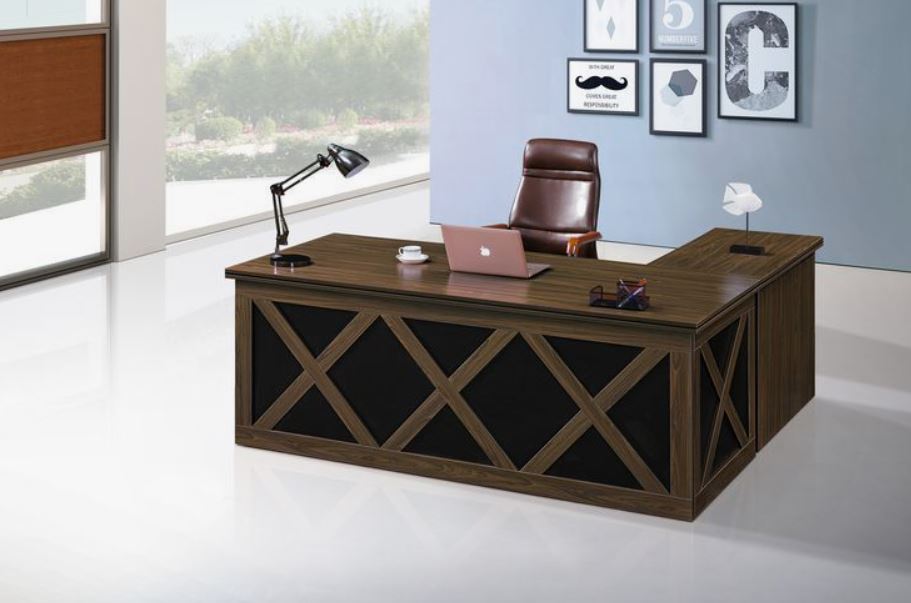
Office furniture layout plays a crucial role in shaping how efficiently a workplace operates, especially in modern environments where productivity, comfort, and collaboration must work together seamlessly. A well-planned layout is not just about placing desks and chairs in a room; it is about understanding workflow, employee movement, space utilization, and accessibility. When businesses design their workspace with a clear strategy, they create an environment that supports focus, reduces clutter, and improves overall performance. Whether it is a corporate office, a small startup, or shared working space, the arrangement of furniture directly impacts communication, efficiency, and employee satisfaction. A properly structured office furniture layout ensures that every corner of the office is used effectively without overcrowding or wasting space, making the workplace more functional and visually balanced.
Importance Of Office Furniture Layout In Modern Workplaces
The importance of office furniture layout in modern workplaces cannot be ignored because it directly influences how employees interact with their environment. A poorly designed layout can lead to distractions, reduced productivity, and even physical discomfort, while a smart layout encourages smooth workflow and better organization. In today’s competitive business world, companies focus heavily on designing spaces that enhance teamwork and individual performance. Proper spacing between desks, strategic placement of meeting areas, and clear pathways all contribute to a more efficient workplace. Additionally, modern offices often require flexibility, meaning furniture should be arranged in a way that supports both collaborative and private workspaces. By improving the office furniture layout, companies can also reduce stress levels among employees, increase focus, and create a more professional atmosphere that reflects brand identity and organizational values.
Key Principles For Effective Office Furniture Layout
Designing an effective office furniture layout requires following certain principles that ensure balance, functionality, and productivity. One of the most important principles is space optimization, which means using every area of the office efficiently without making it feel crowded or empty. Another key principle is movement flow, ensuring that employees can move easily between workstations, meeting rooms, and common areas without obstruction. Ergonomics also plays a major role, as furniture should support healthy posture and comfort during long working hours. Lighting and ventilation should also be considered when arranging furniture because natural light and fresh air improve focus and reduce fatigue. It is also essential to create zones within the office, such as collaboration areas, quiet zones, and storage areas, so that each section serves a specific purpose. When these principles are applied correctly, the office furniture layout becomes more structured, functional, and employee-friendly.
Choosing The Right Office Furniture For Better Layout Efficiency
Selecting the right furniture is a major factor in achieving an efficient office furniture layout. Furniture should not only match the aesthetic of the workplace but also support daily operations and workflow requirements. Adjustable desks, ergonomic chairs, modular storage units, and flexible meeting tables help create a dynamic workspace that can adapt to different needs. It is also important to consider the size of the furniture in relation to the available space, as oversized items can make the office feel cramped, while too-small furniture may reduce functionality. Many businesses also prefer modular furniture because it allows easy rearrangement whenever the layout needs to be updated or expanded. In addition, choosing high-quality materials ensures durability and long-term use, which is essential for cost efficiency. Office managers often explore different stores to find suitable furniture options that align with both budget and design preferences, ensuring the workspace remains practical and visually appealing.
Common Mistakes In Office Furniture Layout Planning
Many organizations make mistakes when designing their office furniture layout, which can negatively affect productivity and comfort. One common mistake is overcrowding the workspace with too much furniture, leaving little room for movement and making the office feel congested. Another mistake is ignoring ergonomic needs, which can lead to employee discomfort and health issues over time. Poor lighting placement is also a frequent issue, where desks are placed in areas that lack natural light or proper illumination. Some businesses also fail to consider future growth, resulting in layouts that are difficult to expand or modify. Another issue is inconsistent zoning, where collaborative and private workspaces are not clearly separated, leading to distractions. Avoiding these mistakes requires careful planning, regular assessment, and a clear understanding of how employees use the space daily. A well-thought-out layout ensures smoother operations and a more productive environment.
Benefits Of Optimized Office Furniture Layout For Productivity
An optimized office furniture layout brings several benefits that directly impact workplace productivity and employee satisfaction. One of the biggest advantages is improved workflow, as employees can move efficiently between tasks without unnecessary interruptions. It also enhances communication by positioning teams in a way that encourages collaboration while still maintaining personal workspace boundaries. A well-planned layout reduces clutter and creates a more organized environment, which helps employees focus better on their work. Comfort is another important benefit, as ergonomic furniture placement reduces physical strain and supports better posture throughout the day. Additionally, a visually appealing office layout creates a positive impression on clients and visitors, reflecting professionalism and attention to detail. Businesses that invest time in optimizing their layout often experience higher efficiency, better employee morale, and improved overall performance.
Final Conclusion
In conclusion, a well-structured office furniture layout is essential for creating a productive, comfortable, and efficient workplace. From planning space utilization to selecting the right furniture and avoiding common mistakes, every detail plays a role in shaping the overall work environment. Companies that prioritize thoughtful layout design benefit from improved workflow, better communication, and enhanced employee well-being. A strategically arranged office not only boosts productivity but also reflects a strong organizational image. Businesses looking to improve their workspace efficiency can find suitable solutions and furniture arrangements through Manila office furniture den, ensuring a balance of functionality and modern design in every office setup.

