

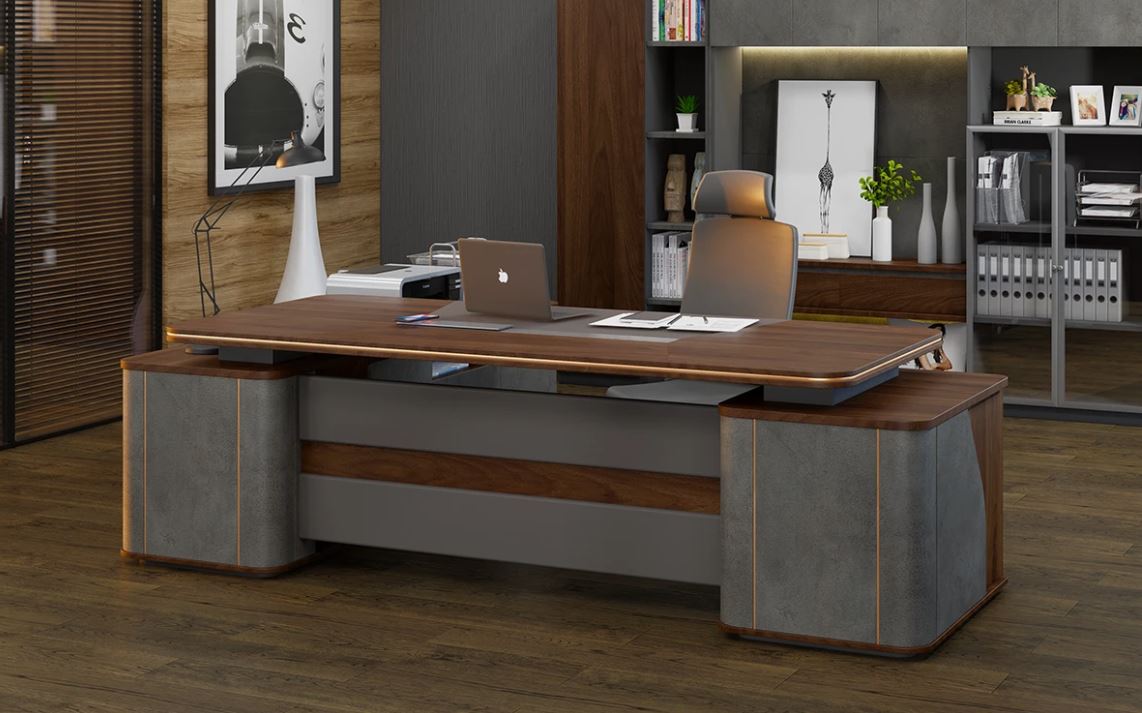
Keeping office furniture in good condition is about more than making a workplace look clean. Well-maintained desks, chairs, cabinets, conference tables, and workstations can remain functional for longer, support a professional environment, and help businesses avoid unnecessary replacement costs. For companies in Manila and Quezon City, where offices can experience frequent daily use, dust, humidity, spills, and heavy traffic, having a practical furniture care routine is especially important.
Furniture Maintenance Philippines should therefore focus on prevention as much as cleaning. A simple maintenance program can help businesses identify loose hardware, damaged surfaces, worn-out upholstery, unstable chairs, and other problems before they become expensive repairs. Whether you manage a small startup, corporate office, school, hospital, government facility, or commercial workplace, proper furniture care protects the investment you have already made.
Why Office Furniture Maintenance Matters
Office furniture is used repeatedly throughout the working day. Employees sit on chairs, open drawers, move desks, use conference tables, access filing cabinets, and place equipment on work surfaces. Over time, this regular activity naturally creates wear and tear.
Without routine maintenance, small problems can become larger ones. A loose screw may eventually affect the stability of a desk. A damaged chair mechanism may become uncomfortable or unsafe. A small scratch on a wooden surface can become worse when moisture reaches the exposed area.
Regular maintenance also helps preserve the professional appearance of an office. Clean desks, organized storage units, presentable reception furniture, and properly functioning chairs create a better impression on employees, visitors, clients, and business partners.
Another important benefit is better resource management. Extending the useful life of furniture can reduce the need to replace perfectly usable pieces simply because they have been neglected.
What Does Furniture Maintenance Include?
Furniture maintenance is a combination of routine cleaning, inspection, adjustment, repair, and preventive care.
For an office environment, maintenance can include cleaning desk surfaces, checking chair components, tightening loose fittings, inspecting drawers and hinges, cleaning upholstery, protecting wooden finishes, checking metal components for corrosion, and identifying damaged furniture.
The correct method depends on the furniture material and construction. Wood, laminate, metal, glass, fabric, mesh, and leather should not automatically be treated with the same cleaning products or techniques.
A good maintenance program also considers how furniture is used. A reception chair may require different care from an executive chair, while a conference table may experience different wear from an individual workstation.
How to Maintain Wooden Office Furniture
Wooden desks, executive tables, cabinets, conference tables, and storage furniture can add warmth and professionalism to an office. However, wood requires appropriate care to maintain its finish.
Start by removing dust regularly with a soft, clean cloth. Avoid abrasive materials that can leave fine scratches on finished surfaces. When cleaning, follow the manufacturer’s instructions and use a product suitable for the specific finish.
Moisture should also be controlled. Do not leave wet cups, spilled drinks, or damp cleaning cloths sitting on wooden surfaces. Wipe spills promptly and dry the area afterward.
Office furniture should also be positioned carefully. Prolonged exposure to strong direct sunlight can affect certain finishes and colors. Likewise, placing wooden furniture where it is repeatedly exposed to moisture can contribute to deterioration.
For businesses in Metro Manila, environmental conditions should be considered when planning furniture care. Consistent cleaning, sensible placement, and quick attention to spills can help preserve wooden furniture.
Caring for Office Chairs
Office chairs often receive more daily use than almost any other piece of workplace furniture. As a result, chairs deserve their own maintenance routine.
Inspect the chair regularly for loose screws, unstable components, damaged casters, worn upholstery, and problems with height or tilt mechanisms. If a chair starts wobbling or making unusual noises, investigate the issue instead of continuing to use it without checking.
Mesh chairs should be cleaned carefully so dust does not accumulate in the material. Fabric chairs can benefit from regular vacuuming, while leather or leather-like surfaces should be cleaned according to the manufacturer’s recommendations.
Do not use excessive force on adjustable mechanisms. Armrests, seat-height controls, backrests, and other components are designed for specific functions. Improper use can shorten their service life.
For large offices, it is useful to maintain a simple inspection schedule so that damaged chairs are identified before they become a workplace problem.
How to Maintain Office Desks and Workstations
Desks and workstations are exposed to computers, monitors, stationery, beverages, documents, and other equipment every day.
Keep the surface free from unnecessary clutter so cleaning and inspections are easier. Wipe the surface using a suitable cleaning method for the material. Pay particular attention to areas around keyboards, monitor stands, cable openings, and frequently touched sections.
Avoid placing equipment or objects beyond the desk’s recommended capacity. Excessive weight can place unnecessary stress on the structure.
Cable management is also part of good workstation maintenance. Loose cables can become tangled, interfere with cleaning, or create trip hazards. Keeping cables organized makes the workspace easier to maintain and gives the office a cleaner appearance.
When moving desks, avoid dragging them across the floor. Lifting or using appropriate moving equipment can help prevent damage to both the furniture and flooring.
Maintaining Filing Cabinets and Storage Units
Furniture Maintenance Philippines and storage systems are often overlooked during routine cleaning. Yet their drawers, hinges, handles, locks, and internal components receive frequent use.
Clean cabinet surfaces regularly and inspect handles and drawer mechanisms. If a drawer becomes difficult to open or close, identify the cause instead of repeatedly forcing it.
Storage units should also be used within their intended capacity. Overloading shelves or drawers can place unnecessary stress on the furniture and may affect stability.
For taller storage furniture, businesses should also consider appropriate safety measures based on the manufacturer’s installation and use instructions.
Upholstery and Fabric Furniture Care
Reception sofas, lounge chairs, visitor seating, and other upholstered furniture can accumulate dust and stains over time.
Regular vacuuming is one of the simplest ways to remove loose dirt. Spills should be addressed as quickly as possible. Instead of aggressively rubbing a stain, gently blot it using an appropriate clean material and follow the upholstery manufacturer’s cleaning recommendations.
Before applying any cleaning product, test it according to the manufacturer’s guidance. Some fabrics can react badly to unsuitable chemicals or excessive moisture.
Professional deep cleaning may also be appropriate for heavily used reception areas, meeting rooms, and employee lounges.
Caring for Metal Office Furniture
Metal furniture can be durable, but it still requires maintenance. Dust and moisture should not be allowed to remain on metal surfaces for extended periods.
Use a suitable cloth and cleaning solution recommended for the particular finish. After cleaning, dry the surface properly.
Inspect metal furniture for scratches, damaged finishes, loose joints, and early signs of corrosion. Early attention can help prevent a small surface problem from becoming more extensive.
This is particularly relevant in environments where moisture exposure is a concern. Preventive inspection is much easier than dealing with significant deterioration later.
Glass Office Furniture Maintenance
Glass conference tables, desks, and partitions require careful cleaning and handling.
Use an appropriate glass-cleaning method and a soft, lint-free cloth. Avoid abrasive materials that can scratch surfaces.
Pay attention to edges, corners, fittings, and supporting structures. Glass furniture should also be inspected for chips, cracks, or other damage. If significant damage is found, the furniture should be assessed before continued use.
A Simple Office Furniture Maintenance Schedule
A practical maintenance schedule can make furniture care easier for businesses.
Daily cleaning can focus on visible surfaces, frequently touched areas, spills, and obvious problems. Weekly maintenance can include deeper cleaning of chairs, workstations, storage areas, and common furniture.
Monthly inspections can look for loose screws, damaged components, unstable furniture, worn upholstery, drawer problems, and other signs of wear.
Larger offices can also conduct periodic furniture audits. During an audit, the facilities or administrative team can record the condition of desks, chairs, cabinets, conference furniture, reception seating, and other workplace assets.
This approach makes it easier to determine whether an item needs cleaning, adjustment, repair, replacement of a component, or complete replacement.
Common Office Furniture Maintenance Mistakes
One common mistake is using the same cleaning product on every material. A cleaner that works well on glass may not be appropriate for wood, upholstery, or a specialty finish.
Another mistake is ignoring small defects. Loose hardware, unstable chairs, damaged edges, and difficult-to-operate drawers should not be dismissed simply because they appear minor.
Dragging furniture is another avoidable problem. It can damage furniture joints and flooring at the same time.
Businesses should also avoid overloading desks, shelves, and storage units. Always follow the manufacturer’s recommendations for weight capacity and intended use.
Finally, maintenance should not be limited to visible surfaces. Internal mechanisms, fittings, casters, hinges, drawer runners, and adjustment systems also require attention.
When Should Office Furniture Be Repaired or Replaced?
Not every damaged furniture item needs immediate replacement. In many cases, a repair or component replacement may be more practical.
Consider repair when the main structure remains sound and the problem is limited to a replaceable component, loose hardware, minor surface damage, or a worn mechanism.
Replacement may make more sense when the furniture has significant structural damage, repeated failures, poor ergonomics, severe deterioration, or no longer meets the needs of the workplace.
The decision should consider safety, functionality, repair cost, expected remaining service life, and whether the furniture still suits the organization’s requirements.
For businesses planning a new office setup, selecting durable furniture from the beginning can also make future maintenance easier.
Furniture Maintenance Tips for Offices in Manila and Quezon City
Local conditions should be part of any office furniture maintenance strategy. Businesses in Manila and Quezon City can benefit from consistent cleaning, careful moisture management, and regular inspections.
High-traffic offices should establish more frequent cleaning routines for shared chairs, reception furniture, meeting tables, and common workstations.
Companies should also maintain clear procedures for reporting damaged furniture. Employees should know who to contact when they notice a broken chair, loose desk component, damaged cabinet, or other issue.
For larger workplaces, an asset register can help facilities teams track furniture condition, maintenance dates, repairs, and replacement requirements.
This creates a more organized approach than waiting until furniture becomes visibly damaged or unusable.
How Proper Maintenance Supports a Professional Workplace
Furniture influences more than appearance. A damaged chair, unstable desk, difficult drawer, or poorly maintained reception area can affect the everyday experience of employees and visitors.
Well-maintained furniture supports a workplace that looks organized and receives better care from the people using it. It also helps businesses make better decisions about future furniture purchases.
For office managers and procurement teams, maintenance records can reveal which products experience the most wear and which furniture types perform well over time. That information can be valuable when planning future office renovations or expansions.
Choosing Furniture With Maintenance in Mind
Maintenance begins before furniture enters the office.
When selecting office furniture, businesses should consider material quality, construction, replacement parts, warranty terms, cleaning requirements, expected usage, and after-sales support.
A product that looks attractive but is difficult to maintain may create unnecessary costs over time. On the other hand, practical furniture with durable materials and accessible replacement components can be easier to manage.
For businesses planning an office in Manila or Quezon City, it is useful to discuss expected usage with a furniture supplier before making a purchase. A supplier should understand whether the furniture will be used in a corporate office, startup, school, hospital, government facility, reception area, executive office, or high-traffic workspace.
How Manila Office Furniture Den Can Help
Maintaining office furniture is easier when businesses start with furniture that matches their workplace requirements. Manila Office Furniture Den can help businesses consider practical furniture solutions based on workspace needs, layout, usage, and budget.
Whether you are furnishing a new office or replacing worn-out pieces, the right combination of desks, chairs, workstations, storage units, conference tables, and other furniture can support a more functional workplace.
If your business is located in Manila, Quezon City, or elsewhere in Metro Manila, consider assessing your existing furniture before making your next purchase. Identify which pieces need cleaning, which require repair, and which should be replaced. This simple evaluation can help you make more informed furniture decisions.
Frequently Asked Questions
What is furniture maintenance?
Furniture maintenance includes cleaning, inspection, adjustment, repair, and preventive care designed to keep furniture functional and presentable.
How often should office furniture be cleaned?
Frequently used surfaces should be cleaned regularly, while deeper cleaning and condition inspections can be scheduled weekly or monthly depending on office traffic.
How can I extend the life of office furniture?
Regular cleaning, correct material-specific care, prompt repairs, proper handling, and avoiding excessive loads can help extend furniture service life.
How do I maintain office chairs?
Inspect chair mechanisms, casters, screws, armrests, upholstery, and adjustment controls regularly. Clean the upholstery according to the manufacturer’s recommendations.
Can damaged office furniture be repaired?
Many minor problems can be repaired or corrected. However, furniture with serious structural damage or repeated failures may be more suitable for replacement.
What furniture requires the most maintenance?
High-use items such as office chairs, workstations, reception seating, conference tables, and storage units generally require frequent inspection and cleaning.
Is furniture maintenance important for businesses in Manila?
Yes. Regular maintenance helps offices keep frequently used furniture clean, functional, professional-looking, and ready for daily workplace demands.
Final Thoughts
A strong Furniture Maintenance Philippines strategy does not have to be complicated. The key is consistency. Regular cleaning, timely inspections, proper handling, material-specific care, and early repairs can help businesses protect their office furniture investment.
For organizations in Manila and Quezon City, a structured maintenance routine can also make office management more predictable. Instead of waiting for furniture to fail, businesses can identify problems early and plan repairs or replacements around their operational needs.
When it is time to purchase new desks, chairs, workstations, cabinets, conference furniture, or complete office solutions, choosing the right furniture from the beginning can make long-term maintenance easier. For businesses looking for office furniture solutions in Metro Manila, Manila Office Furniture Den can be considered as part of the procurement process.

