

Choosing the right office furniture affects how employees work, how clients perceive a business, and how efficiently a workplace uses its available space. For companies searching for a Furniture Supplier Manila, the decision should involve more than comparing prices. Businesses need furniture that fits their floor plan, supports daily work, matches their brand image, and remains practical as the organization grows.
Manila has a wide range of commercial workplaces, from small startups and shared offices to corporate headquarters, schools, clinics, government facilities, and professional firms. Each environment has different requirements. A good furniture supplier should therefore understand workspace planning, furniture specifications, delivery requirements, installation, and long-term usability.
What Should You Look For in an Office Furniture Supplier?
A reliable supplier should be able to provide more than individual desks and chairs. Businesses often need a complete workplace solution that includes workstations, executive desks, meeting tables, filing cabinets, reception counters, office chairs, storage units, and collaborative furniture.
It is also important to consider whether the supplier can help with measurements and space planning. Furniture that looks suitable in a showroom may not work well in an actual office. Desk dimensions, walking paths, storage requirements, electrical access, and employee capacity should all be considered before an order is finalized.
For businesses in Manila, working with a supplier familiar with local commercial spaces can make the process easier. A knowledgeable team can recommend suitable configurations based on office size, employee count, department structure, and intended use.
Why Quality Matters When Buying Office Furniture
Office furniture is used repeatedly throughout the working day. Desks are opened and closed, chairs are adjusted, storage cabinets are accessed, and workstations experience continuous use. Low-quality furniture may appear inexpensive initially but can create additional replacement and maintenance costs.
Quality furniture should have durable materials, dependable hardware, stable construction, and finishes appropriate for commercial environments. Office chairs should also provide suitable support for employees who spend many hours working at a desk.
For businesses comparing a Furniture Supplier Manila, it is useful to ask about material specifications, warranties, maintenance requirements, replacement parts, and expected product lifespan. These details provide a clearer picture of the actual value of an office furniture investment.
Office Furniture Options for Different Business Needs
Different departments and workplaces require different furniture configurations. A startup may prioritize flexible workstations and compact desks, while a corporate office may need executive furniture, meeting rooms, reception areas, and dedicated storage.
Open-plan offices commonly use workstation systems that allow several employees to share a larger workspace while maintaining individual work areas. Private offices may require executive desks, ergonomic chairs, bookshelves, and storage cabinets.
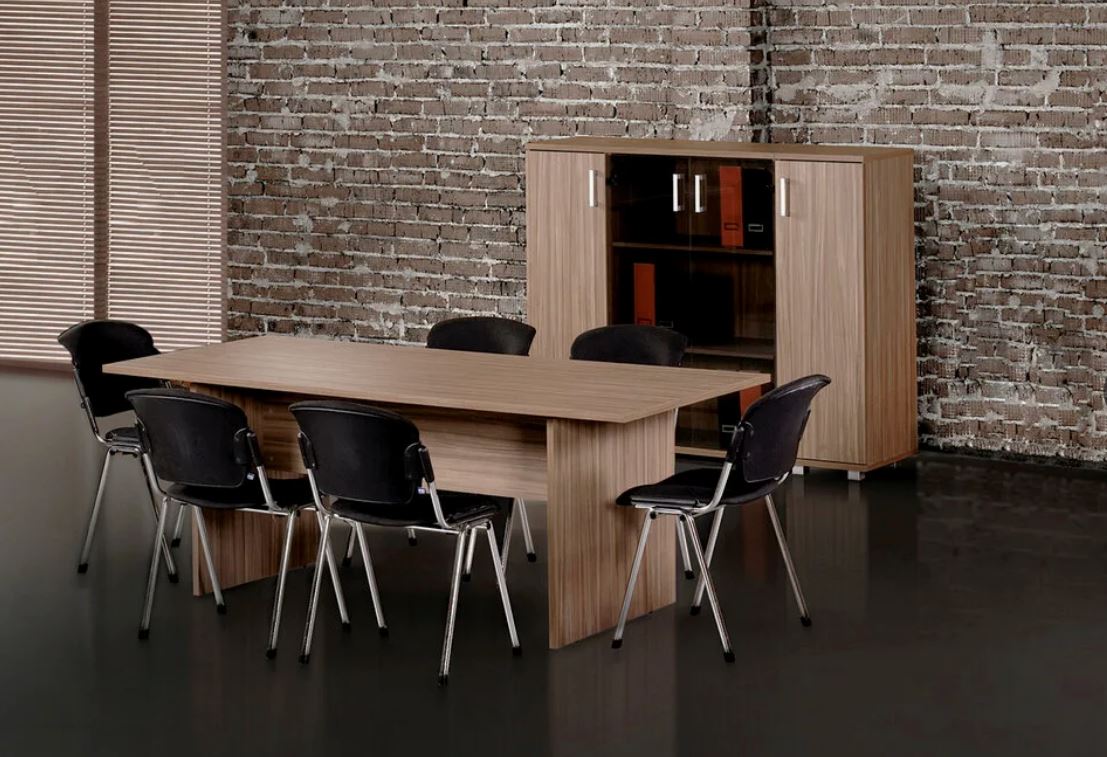
Conference rooms benefit from appropriately sized meeting tables and comfortable seating. Reception areas should create a professional first impression while providing enough space for reception staff to work efficiently.
Schools, hospitals, government offices, and other institutions may have additional requirements related to durability, capacity, accessibility, and ease of maintenance. A supplier serving these different environments should be able to recommend furniture based on the specific function of each room.
How to Choose the Right Office Desk
The office desk is one of the most important pieces of workplace furniture because it directly affects the employee’s daily workflow. Before selecting a desk, consider the available floor area, equipment requirements, storage needs, and working style.
A traditional rectangular desk may be suitable for individual work. L-shaped desks can provide additional working space while making use of corners. Bench-style workstations can be useful when several employees need to work within a shared area.
Executive desks generally provide a larger surface and a more formal appearance. Reception desks are designed around visitor interaction and administrative tasks. Meeting tables, meanwhile, should provide enough space for participants without making the room feel overcrowded.
Ergonomic Office Furniture Can Support Better Workspaces
Ergonomics should be an important consideration when selecting office furniture. Employees may spend a substantial portion of their working day sitting, typing, reading, attending virtual meetings, or working with multiple screens.
An appropriate office chair should offer adjustability and adequate support. Desk height and monitor positioning should also be considered when planning a workstation.
Ergonomic furniture does not have to mean choosing the most expensive product available. The goal is to create a workspace where furniture dimensions, seating, equipment, and employee tasks work together comfortably.
Businesses planning a new office can discuss these requirements with their furniture supplier before making a purchase. This can help avoid selecting products based solely on appearance or price.
Office Furniture for Small Manila Workspaces
Limited floor space is common in many urban offices. Small businesses need to use every available area without creating a crowded working environment.
Furniture Supplier Manila, modular workstations, mobile storage, and appropriately sized meeting tables can help make smaller offices more functional. Vertical storage can also reduce the amount of floor space required for documents and supplies.
Another useful approach is selecting furniture that can serve more than one purpose. A meeting area, for example, may also function as a collaborative workspace when equipped with flexible tables and seating.
Before purchasing furniture, measure the room carefully and consider doorways, windows, columns, electrical outlets, and circulation paths. These details can significantly affect the final layout.
Planning Office Furniture for Growing Companies
A growing business should think beyond its current employee count. Furniture purchases should ideally support future expansion without requiring a complete redesign every time the company adds staff.
Modular workstations can provide flexibility because additional units may be incorporated as the workplace expands. Standardized desk sizes can also make future additions easier to coordinate.
Businesses should discuss expansion plans with their supplier. A professional supplier may be able to recommend a furniture system that maintains a consistent appearance while allowing the office layout to change over time.
Custom Office Furniture vs Ready-Made Options
Ready-made furniture can be a practical choice when a business needs standard products quickly. It may also simplify replacement because similar products can be reordered.
Custom office furniture, on the other hand, can be useful when a workplace has unusual dimensions, specific branding requirements, or specialized storage needs. Custom solutions can be designed around the available space rather than forcing the room to accommodate standard dimensions.
The right option depends on budget, timeline, design requirements, and the intended use of the furniture. Businesses should compare the total value rather than focusing only on the initial purchase price.
What Makes a Furniture Supplier Reliable?
A dependable supplier should provide clear product information and realistic expectations regarding pricing, availability, delivery, and installation. Communication is particularly important for large office projects because delays can affect business operations.
It is also useful to review the supplier’s range of products. A company that can supply desks, chairs, workstations, storage, reception furniture, and meeting room solutions may make project coordination easier.
Businesses should also ask whether the supplier provides installation assistance and after-sales support. These services can be particularly valuable when furnishing an entire office rather than purchasing one or two individual pieces.
Why Businesses in Manila Should Consider Local Expertise
Local knowledge can be valuable when planning an office furniture project. Manila businesses may have different building layouts, delivery restrictions, office sizes, and commercial requirements.
A supplier familiar with Manila can better understand the practical considerations involved in supplying furniture to local businesses. This can include coordinating deliveries, assessing furniture requirements, and helping clients select appropriate configurations.
For companies operating in or around Quezon City and Metro Manila, local accessibility can also make communication and project coordination more convenient.
Creating a Professional Reception Area
The reception area is often the first physical interaction a visitor has with a company. Furniture should therefore balance appearance with functionality.
A reception counter should provide sufficient workspace for reception staff while allowing comfortable interaction with visitors. Seating should accommodate guests without occupying excessive space.
The overall design should also complement the company’s identity. A clean and organized reception area can communicate professionalism before a meeting even begins.
Office Storage Should Not Be an Afterthought
Storage is frequently overlooked during office furniture planning. However, inadequate storage can quickly lead to clutter and inefficient use of workspace.
Businesses may require filing cabinets, pedestal drawers, shelving, cupboards, or dedicated storage systems depending on the type of documents and equipment they handle.
Storage should be positioned where employees can access it conveniently without obstructing walkways. For organizations dealing with large amounts of paperwork, planning storage capacity from the beginning can prevent future space problems.
How to Compare Furniture Suppliers in Manila
When comparing suppliers, businesses should evaluate several factors instead of choosing the lowest quotation automatically. Product quality, furniture specifications, design options, delivery, installation, warranty coverage, customer support, and customization capabilities can all affect the overall value.
It is also helpful to provide the supplier with accurate information about the project. Share the approximate office size, number of employees, preferred furniture types, expected budget, and desired completion schedule.
This allows the supplier to provide a more relevant recommendation rather than a generic furniture package.
Questions to Ask Before Ordering Office Furniture
Can a furniture supplier help with office planning?
Yes. Many office furniture suppliers can assist with product selection, space planning, workstation configurations, and furniture layouts.
What office furniture does a business usually need?
Common requirements include office desks, ergonomic chairs, workstations, meeting tables, reception counters, storage cabinets, pedestals, and filing solutions.
Is custom office furniture worth considering?
Custom furniture can be worthwhile when a workplace has unusual dimensions, specialized requirements, or specific design and branding needs.
How can I choose furniture for a small office?
Measure the available space first, maintain clear circulation paths, and consider compact or modular furniture that provides useful workspace without overcrowding the room.
Should office furniture be selected based only on price?
No. Durability, ergonomics, functionality, warranty, installation, maintenance, and long-term usability should also be considered.
Can office furniture be planned for future expansion?
Yes. Modular workstations and standardized furniture systems can make it easier to expand or rearrange an office as the business grows.
Make Your Manila Office Furniture Investment Count
Selecting office furniture is an investment in the everyday working environment. The right combination of desks, chairs, workstations, storage, and meeting furniture can help create a workplace that is organized, practical, comfortable, and professional.
For businesses looking for a Furniture Supplier Manila, the best approach is to start with the needs of the workplace rather than selecting products individually. Consider the available space, employee requirements, business growth, design preferences, and budget before finalizing the furniture plan.
Manila Office Furniture Den can be considered when planning office furniture requirements for businesses seeking practical workplace solutions in Manila and nearby areas. Whether the project involves a compact startup office, a corporate workspace, a reception area, or a larger commercial environment, careful furniture planning can help businesses create a space that works efficiently today and remains adaptable for tomorrow.

