

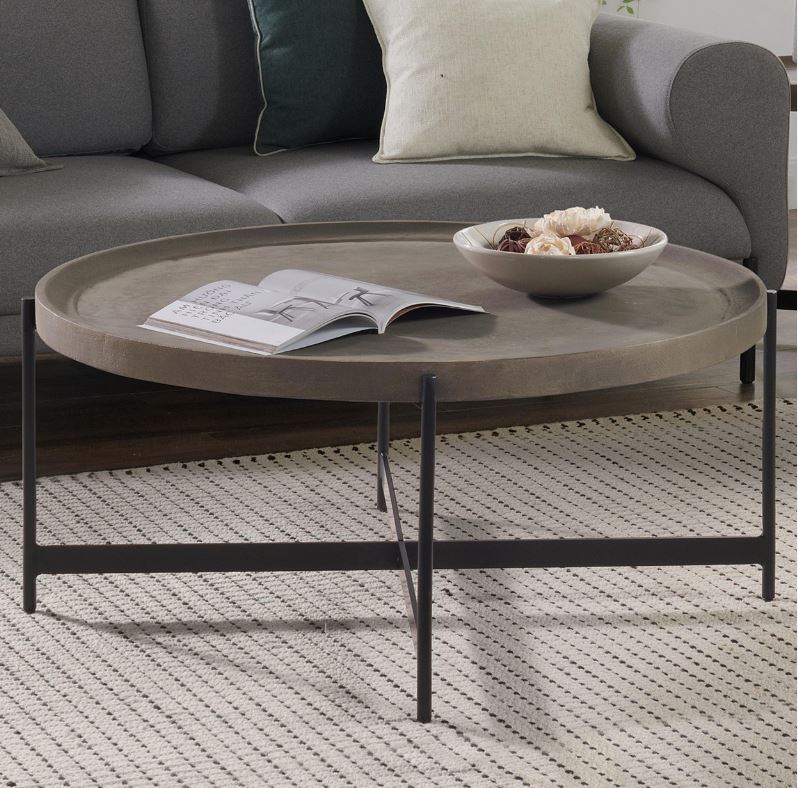
An office is more than a place where employees complete daily tasks. It is also a space where clients are welcomed, teams exchange ideas, and business relationships develop. The furniture selected for these areas can influence both functionality and the overall impression of the workplace. An Office Coffee Table is particularly useful in reception areas, waiting lounges, executive offices, meeting spaces, and informal collaboration zones because it provides a practical surface while helping create a more welcoming environment.
For businesses in Manila and Quezon City, selecting the right table requires more than choosing a design that looks attractive. Size, materials, durability, maintenance, workplace layout, and intended use should all be considered before making a purchase. The right office coffee table can complement sofas and lounge chairs, improve the usability of an otherwise empty area, and give visitors a comfortable place to put documents, drinks, or personal belongings.
What Is An Office Coffee Table?
An office coffee table is a low-height table designed for workplace environments rather than traditional workstations. It is commonly positioned alongside lounge seating, reception sofas, visitor chairs, or informal meeting furniture. Unlike a standard office desk, it is generally not intended for extended computer-based work.
The main purpose is to provide a convenient shared surface. Employees can use it during informal discussions, while visitors can place coffee, documents, brochures, or personal items on it. In reception and waiting areas, an appropriately sized table can also make the space feel complete without making it appear crowded.
Modern office coffee tables are available in various shapes, sizes, finishes, and materials. Rectangular, square, round, and oval designs can all work effectively depending on the available floor area and surrounding furniture.
Why Office Coffee Tables Matter in Modern Offices
Workplaces are becoming more flexible, and office layouts increasingly include areas designed for communication and informal interaction. A coffee table can support these spaces without creating the formal atmosphere associated with a traditional conference table.
In a reception area, the table can create a central point around which seating is arranged. In an executive lounge, it can provide a convenient surface for refreshments and documents. In collaborative spaces, a larger design can support informal conversations between several people.
The visual effect also matters. Furniture contributes to how visitors perceive a company. A well-coordinated coffee table can complement the office’s reception desk, seating, flooring, lighting, and wall finishes. This helps create a consistent workplace appearance without relying on excessive decoration.
Where Should You Place an Office Coffee Table?
The best location depends on how the surrounding space is used. Reception areas are among the most common locations because visitors often spend time waiting for appointments. A coffee table positioned between lounge chairs can make the waiting experience more comfortable.
Executive offices can also benefit from smaller coffee tables placed near visitor seating. Instead of conducting every conversation behind a large desk, executives can use a lounge arrangement for informal discussions.
Meeting and collaboration zones are another suitable location. A low table combined with comfortable chairs or sofas can create a less formal environment for brainstorming and short discussions.
Office coffee tables can also work in employee lounges, break areas, hotel-style reception spaces, showrooms, and waiting rooms. For schools, clinics, government offices, and other organizations that regularly receive visitors, durable tables can provide practical shared surfaces while maintaining a professional appearance.
How to Choose the Right Size
Size should be determined by the room, seating arrangement, and expected number of users. A table that is too large can restrict movement, while a very small table may look disconnected from larger sofas and chairs.
Measure the available floor area before purchasing. Consider not only the table’s dimensions but also the walking space around it. Employees and visitors should be able to move comfortably between chairs, sofas, doors, and other furniture.
The height should also complement the seating. A coffee table is normally lower than a standard desk. When selecting a design, compare its height with the seat height of the surrounding sofas or lounge chairs. The goal is to make the tabletop accessible without forcing users to stretch or bend uncomfortably.
For smaller offices in Metro Manila, compact square or round designs may help maintain circulation. Larger reception areas can accommodate wider rectangular or oval tables.
Which Materials Are Suitable for Office Coffee Tables?
Material selection affects appearance, durability, cleaning requirements, and long-term value. Laminated boards are popular for commercial furniture because they can offer a practical balance between appearance and maintenance. Wood finishes can introduce warmth into formal interiors, while metal elements can create a more contemporary appearance.
Glass can produce a visually lighter look, particularly in smaller spaces, although businesses should consider cleaning requirements and the needs of their visitors before choosing it.
Solid wood and wood-look finishes can create a premium impression in executive areas. Meanwhile, engineered materials may provide more flexibility for businesses working within a defined furniture budget.
When comparing materials, consider the expected level of use. A table placed in a busy reception area may require a more durable surface than one located in a private executive lounge.
Office Coffee Table Designs for Different Workplace Styles
A modern minimalist office may benefit from a simple table with clean lines and a neutral finish. Such a design can complement contemporary workstations without competing with other furniture.
Traditional corporate offices may benefit from wood-inspired finishes that provide a warmer and more established appearance. Executive environments can use premium-looking materials and carefully coordinated finishes to create a sophisticated visitor area.
For startups and creative workplaces, geometric or unconventional designs may provide more visual personality. However, appearance should still be balanced with functionality and available space.
Round coffee tables are useful when a softer visual effect is preferred. Rectangular tables are often practical where seating is arranged opposite one another. Oval designs can combine some of the advantages of both shapes while reducing sharp corners.
Office Coffee Table vs Regular Office Desk
These two furniture pieces serve different purposes. An office desk is generally designed for individual work, equipment, storage, and longer periods of use. A coffee table is primarily designed for shared access within a lounge or informal environment.
A desk normally provides sufficient height for computer work and writing. A coffee table has a lower profile and works better with sofas and lounge chairs.
Choosing between them therefore depends on the intended activity. If employees need a permanent workstation, an office desk is more appropriate. If the goal is to support visitors, informal conversations, or waiting areas, an office coffee table may be the better choice.
How to Match a Coffee Table With Office Furniture
A coffee table should not be selected in isolation. Consider the color, material, proportions, and style of the furniture already installed.
For example, a table with a wood finish can coordinate naturally with wooden reception desks and storage cabinets. A minimalist table with metal legs can complement contemporary office chairs and modular workstations.
The shape is equally important. A rectangular table can echo the lines of a rectangular sofa, while a round table can introduce contrast into an interior dominated by straight lines.
Businesses planning a complete office renovation should consider the coffee table as part of the wider furniture specification rather than as a last-minute decorative purchase.
What Should Businesses Consider Before Buying?
The first consideration should be the purpose of the table. Determine whether it will mainly serve visitors, executives, employees, or collaborative teams.
Next, evaluate the available floor space. Measure the area and consider circulation before selecting the dimensions.
Durability is also important for commercial environments. Ask about the construction, tabletop material, edge finishing, base structure, and maintenance requirements.
Businesses should also consider whether customization is available. A customized table can sometimes be designed around an unusual room dimension, specific finish, or existing furniture collection.
Finally, evaluate delivery, installation, warranty, and after-sales support. These factors can become particularly important when furnishing multiple offices or completing a larger commercial project.
Office Coffee Tables for Manila and Quezon City Workplaces
Office requirements can vary significantly between businesses. A compact startup office may prioritize space efficiency, while a corporate headquarters may focus more heavily on appearance, durability, and consistent furniture specifications.
For companies operating in Manila and Quezon City, the local office environment should also be considered when planning furniture delivery and installation. Businesses furnishing multiple rooms or entire offices can benefit from working with a supplier that understands commercial furniture requirements and can help coordinate different furniture categories.
Instead of choosing a table solely from a photograph, businesses should consider how the furniture will function within the complete workplace. Measurements, seating arrangements, traffic flow, and the company’s preferred visual identity can all influence the final selection.
How Much Should You Spend on an Office Coffee Table?
There is no single ideal budget because prices depend on size, material, construction, design, customization, and supplier. Philippine furniture listings demonstrate a broad range of coffee and center table prices, while dedicated office models can include features and materials intended specifically for commercial environments.
Rather than selecting the cheapest option, businesses should evaluate total value. A table that looks affordable initially may not provide the durability or finish required for frequent commercial use. Conversely, a premium table may not be necessary for a low-traffic employee area.
The better approach is to match the investment to usage. High-traffic reception areas generally deserve durable furniture, while occasional-use spaces may allow more flexibility.
Common Mistakes When Buying an Office Coffee Table
One common mistake is choosing a table before measuring the room. Even an attractive table can become impractical if it restricts movement.
Another mistake is ignoring the height of surrounding seating. A table should work comfortably with the chairs or sofas around it.
Some businesses also focus too heavily on appearance and overlook construction quality. Since office furniture can experience frequent use, durability should remain part of the purchasing decision.
Choosing a design that does not coordinate with existing furniture can also weaken the overall appearance of the office. Color, finish, shape, and proportions should be considered together.
Finally, businesses sometimes purchase furniture without considering delivery and installation requirements. This can create unnecessary delays during an office fit-out.
How an Office Coffee Table Can Improve the Visitor Experience
First impressions can influence how visitors perceive a business. A reception area that is organized, comfortable, and professionally furnished can communicate attention to detail.
An office coffee table gives visitors a convenient shared surface and helps organize the seating arrangement. It can also provide space for company brochures, magazines, informational materials, or refreshments.
The table itself does not create a professional environment. Instead, it works as one component of a complete reception design that includes seating, lighting, reception counters, signage, flooring, and other furniture.
Choosing Furniture From a Commercial Office Furniture Supplier
When purchasing furniture for a business, supplier support can be just as important as the product itself. Ask about available dimensions, materials, finishes, customization options, delivery schedules, installation, and warranty coverage.
A supplier serving commercial customers should also understand that offices may require multiple furniture categories. A business might need reception furniture, executive desks, workstations, office chairs, storage cabinets, conference tables, and lounge furniture at the same time.
Working with a supplier that can support a complete project may simplify purchasing and help maintain a consistent design across different areas of the workplace.
Why Customization Can Be Useful
Standard furniture works well for many offices, but customized solutions can be useful when a space has unusual dimensions or specific design requirements.
For example, a business may need a particular tabletop size to fit between two sofas. Another company may want a specific laminate finish to coordinate with its reception desk. Customization can also help businesses maintain a consistent appearance across multiple branches.
Before ordering a customized office coffee table, confirm the dimensions, materials, finish, lead time, delivery requirements, and final specifications.
Frequently Asked Questions
What Is an Office Coffee Table Used For?
An office coffee table provides a shared surface for reception areas, lounges, executive visitor spaces, and informal meeting areas. It can hold refreshments, documents, brochures, and personal items.
What Size Office Coffee Table Should I Buy?
The ideal size depends on the room and surrounding seating. Measure the available space and maintain comfortable walking clearance around the table.
Is a Coffee Table Suitable for a Reception Area?
Yes. Coffee tables are commonly used with reception sofas and lounge chairs to provide visitors with a convenient shared surface.
What Material Is Best for an Office Coffee Table?
The best material depends on usage, design preferences, maintenance needs, and budget. Laminated boards, wood-based materials, metal, glass, and solid wood can all be suitable in different office environments.
Can I Customize an Office Coffee Table?
Customization may be available depending on the supplier. Businesses can ask about custom dimensions, finishes, materials, and design requirements.
Where Can Businesses Buy Office Coffee Tables in Manila?
Businesses can compare office furniture suppliers serving Manila and Quezon City, review available designs, and request quotations based on their required dimensions, materials, and quantity.
Make Your Office More Functional With the Right Coffee Table
An office coffee table may be a relatively small furniture item, but it can contribute significantly to the functionality and appearance of reception areas, lounges, executive offices, and collaborative spaces. The right choice should balance size, construction, materials, style, maintenance, and budget rather than focusing on appearance alone.
For businesses planning an office upgrade or furnishing a new workplace, Manila Office Furniture Den can be positioned as a practical resource for exploring office furniture solutions in Manila and Quezon City. Before making a purchase, compare dimensions, finishes, construction quality, customization options, and project requirements so the final furniture selection supports both the workplace and the people using it.

