

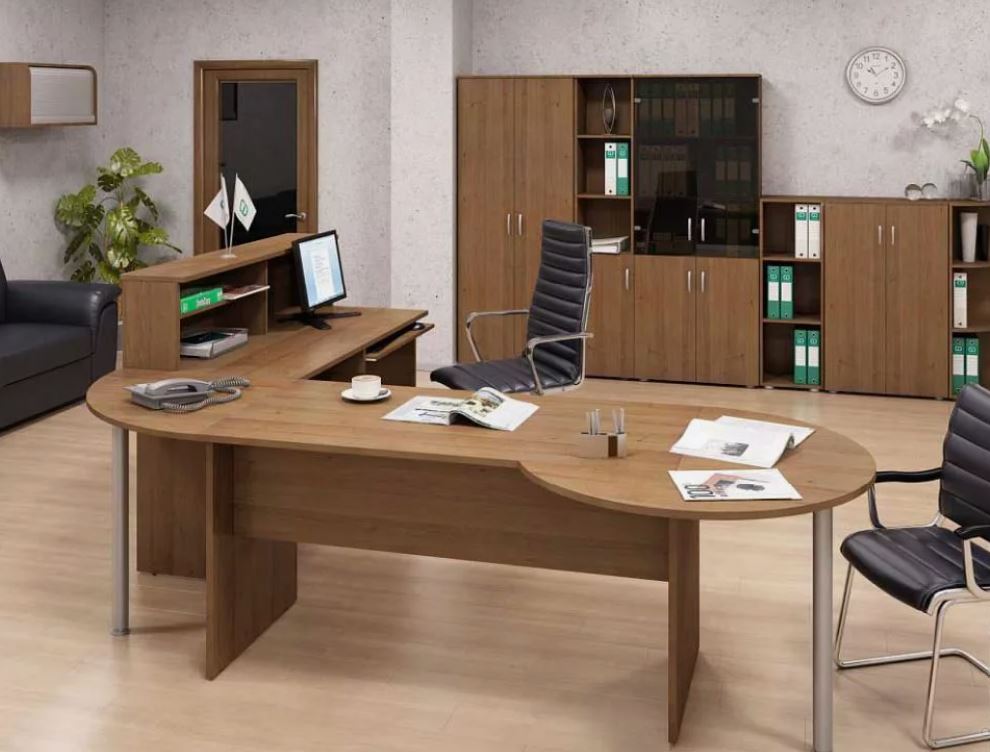
Luxury furniture design trends are evolving rapidly as people now expect interiors to balance comfort, functionality, and visual appeal. In today’s design landscape, luxury is no longer only about expensive materials or ornate detailing; it is about thoughtful craftsmanship, clean aesthetics, and intelligent use of space. Modern users are increasingly drawn toward furniture that reflects personality while maintaining a minimal yet refined look. This shift has encouraged designers and stores to focus on sustainable materials, ergonomic structures, and multifunctional pieces. In offices and homes alike, the demand for premium furniture that blends elegance with practicality continues to grow. The influence of global interiors, digital work culture, and lifestyle changes has also played a key role in redefining luxury furniture design trends across urban spaces.
Minimalism And Functional Elegance In Luxury Interiors
One of the strongest luxury furniture design trends today is minimalism combined with functional elegance. Clean lines, neutral color palettes, and clutter-free arrangements are becoming the foundation of modern luxury spaces. Instead of overcrowded interiors, designers are focusing on simplicity that enhances visual comfort and productivity. Furniture pieces are now designed with multiple purposes in mind, such as storage-integrated desks, modular seating systems, and adaptable office tables. This approach not only saves space but also improves usability in both residential and commercial environments. High-end stores are increasingly offering collections that emphasize subtle sophistication rather than overly decorative designs. The idea is to create a calm and balanced atmosphere where every furniture piece has a purpose. This trend reflects a deeper understanding of how environment impacts mindset, especially in workspaces where focus and efficiency are essential.
Premium Materials And Sustainable Craftsmanship
Another major direction in luxury furniture design trends is the use of premium yet sustainable materials. Natural wood, polished metal, glass, and eco-friendly composites are widely used to create furniture that feels both luxurious and responsible. Customers today are more conscious of environmental impact, which has pushed manufacturers and stores to adopt ethical sourcing and sustainable production methods. Handcrafted details are also making a strong comeback, adding uniqueness and authenticity to each piece. Instead of mass-produced uniform furniture, buyers now prefer items that carry a sense of individuality and long-lasting durability. This shift has influenced both local and international design markets, encouraging innovation in material usage while maintaining elegance. Sustainability is no longer an optional feature but a core element of modern luxury furniture design trends, especially in premium office and home interiors.
Smart Furniture Integration For Modern Living And Workspaces
Technology integration is becoming an essential part of luxury furniture design trends, especially in urban environments where smart living is on the rise. Furniture is now being designed with built-in charging ports, adjustable lighting systems, and ergonomic controls to enhance convenience. In office settings, smart desks that adjust height automatically and chairs with posture support features are becoming increasingly popular. These innovations are designed to improve comfort while also supporting health and productivity. The combination of technology and design has redefined what users expect from luxury furniture, making it more interactive and responsive. Stores are now showcasing advanced collections that merge digital functionality with aesthetic appeal. This trend reflects the growing demand for intelligent interiors that adapt to user needs while maintaining a premium look and feel.
Color Psychology And Textural Depth In Luxury Furniture Design Trends
Color and texture play a crucial role in shaping luxury furniture design trends, as they directly influence mood and perception. Neutral shades such as beige, ivory, grey, and muted earth tones continue to dominate luxury interiors because they create a calming and timeless effect. However, designers are also experimenting with bold accent colors to add depth and personality to spaces. Textural variety is equally important, with combinations of smooth leather, soft fabrics, matte finishes, and natural wood grains creating a layered visual experience. This balance between color and texture helps in achieving a sophisticated yet inviting environment. In modern offices and homes, these design elements are carefully curated to reflect brand identity or personal style. The focus is on creating harmony between aesthetics and emotional comfort, which is a key principle in contemporary luxury furniture design trends.
Space Optimization And Modular Design Innovation
Space optimization has become a central theme in luxury furniture design trends, especially in cities where living and working areas are becoming more compact. Modular furniture systems are gaining popularity because they offer flexibility and adaptability. These designs allow users to rearrange or expand furniture according to their needs, making them ideal for dynamic environments. From modular sofas to expandable workstations, the emphasis is on maximizing functionality without compromising on style. This trend is particularly relevant for modern offices that require versatile layouts to support collaboration and individual work. Designers are also focusing on lightweight structures that are easy to move and reconfigure. As a result, luxury is no longer defined by size but by smart design solutions that enhance usability and efficiency.
Conclusion Luxury Furniture Design Trends In Modern Interiors
Luxury furniture design trends continue to evolve as modern lifestyles demand more flexibility, sustainability, and innovation in interior spaces. From minimalistic aesthetics and premium materials to smart technology integration and modular designs, every aspect of furniture design is being reshaped to meet contemporary expectations. The focus is now on creating environments that are both visually appealing and highly functional, whether in homes or professional offices. As these trends continue to develop, businesses and individuals are increasingly investing in furniture that reflects long-term value and refined taste. In this evolving landscape, Manila office furniture den plays a significant role in offering stylish and functional solutions that align with modern luxury furniture design trends, helping transform spaces into elegant and efficient environments.

