

Philippines Furniture Design 2026 is shaping a new era in interior styling, workspace planning, and home aesthetics across urban and developing cities. The demand for functional, space saving, and visually appealing furniture is increasing as more homes, offices, and commercial spaces focus on comfort and productivity. In this evolving landscape, designers are blending traditional craftsmanship with modern minimalism, creating products that reflect both cultural identity and global trends. The rise of compact living in metro areas such as Quezon City and Metro Manila has also pushed manufacturers and designers to innovate smarter solutions that maximize space without compromising style.
Philippines Furniture Design 2026 is not only about appearance but also about usability and sustainability. Furniture stores across the country are now focusing on eco friendly materials, modular designs, and long lasting structures that meet the expectations of modern consumers. This shift is influenced by global design trends as well as local needs, where affordability and durability remain key purchasing factors. As a result, wood, engineered materials, and metal combinations are being widely used to create versatile pieces suitable for both residential and office environments.
Evolving Trends In Philippines Furniture Design 2026 For Urban Spaces
Urban living is a major driver of Philippines Furniture Design 2026 trends, especially in densely populated cities where space optimization is a priority. Apartments and small offices require furniture that can serve multiple purposes, such as convertible desks, foldable chairs, and storage integrated tables. Designers are increasingly focusing on modular systems that allow users to rearrange or expand their furniture based on changing needs. This flexibility is becoming a core expectation among buyers who value both practicality and aesthetic harmony.
Another important aspect influencing Philippines Furniture Design 2026 is the growing preference for clean lines and neutral color palettes. Minimalist design continues to dominate modern interiors because it creates a sense of openness and calm in compact environments. At the same time, subtle cultural influences are being incorporated through textures, patterns, and natural finishes that reflect Filipino heritage in a modern way. This balance between tradition and innovation is what makes the current furniture landscape unique and competitive.
Role Of Sustainable Materials And Smart Manufacturing In Philippines Furniture Design 2026
Sustainability has become a key focus in Philippines Furniture Design 2026 as consumers become more environmentally conscious. Furniture stores and manufacturers are now prioritizing responsibly sourced wood, recycled materials, and low emission production processes. This approach not only reduces environmental impact but also enhances product quality and durability. Customers are increasingly willing to invest in furniture that supports long term use and aligns with eco friendly values.
Smart manufacturing techniques are also transforming how furniture is produced in the Philippines. Automation, precision cutting, and digital design tools are helping designers create more accurate and efficient products. These advancements allow furniture stores to offer customizable options that meet specific client requirements. As a result, Philippines Furniture Design 2026 is becoming more customer centric, offering tailored solutions for homes, offices, and commercial interiors. This shift is improving both production efficiency and customer satisfaction across the industry.
Growing Demand For Office And Commercial Furniture In Philippines Furniture Design 2026
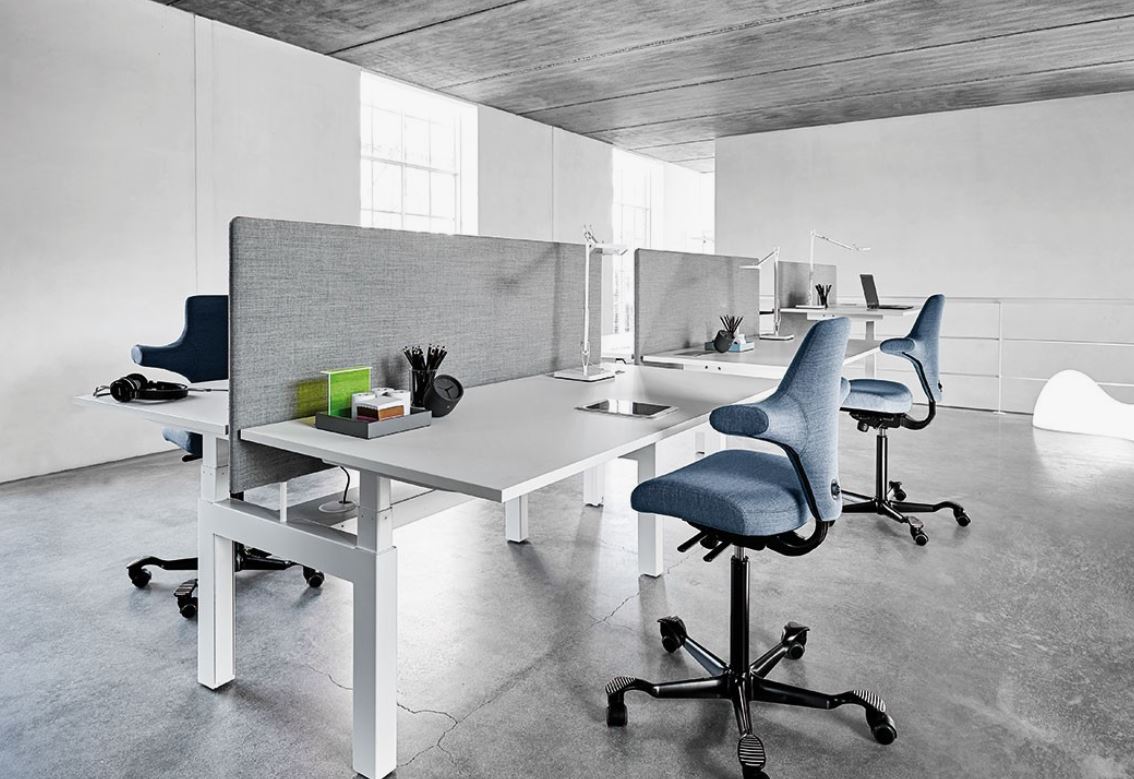
The corporate sector is playing a major role in shaping Philippines Furniture Design 2026 trends, especially with the rise of hybrid work environments. Offices are now designed to support collaboration, flexibility, and employee comfort. This has led to increased demand for ergonomic chairs, adjustable desks, and collaborative workstations that improve productivity while maintaining a modern aesthetic. Businesses are also focusing on creating visually appealing workspaces that reflect their brand identity and company culture.
Furniture stores catering to commercial clients are expanding their product lines to include smart office solutions that support digital workflows. Cable management systems, multi device desks, and space saving storage units are becoming standard features in modern office setups. As companies continue to adapt to evolving work styles, Philippines Furniture Design 2026 is expected to further integrate technology driven solutions that enhance workplace efficiency and employee well being.
Influence Of Lifestyle Changes On Philippines Furniture Design 2026
Lifestyle changes among Filipino consumers are significantly influencing Philippines Furniture Design 2026 trends. With increasing urbanization and exposure to global design inspirations, people are seeking furniture that reflects modern living standards. Homes are no longer just living spaces but multifunctional environments where work, relaxation, and entertainment coexist. This shift has encouraged designers to create adaptable furniture that suits different activities throughout the day.
Social media and digital platforms have also played a role in shaping design preferences. Consumers are now more informed about global trends and expect furniture stores to offer stylish yet practical solutions. This has led to a rise in demand for customized interiors, where individuals can personalize colors, materials, and layouts according to their preferences. Philippines Furniture Design 2026 continues to evolve as lifestyle expectations become more dynamic and design driven.
Future Outlook Of Philippines Furniture Design 2026 Industry
The future of Philippines Furniture Design 2026 looks highly promising as innovation, sustainability, and functionality continue to drive growth. The industry is expected to expand further with the integration of smart furniture, digital design tools, and enhanced manufacturing technologies. Local designers are also gaining international recognition for their ability to combine cultural influences with modern aesthetics, making Philippine furniture more competitive in global markets.
Furniture stores are likely to focus more on customer experience, offering virtual design consultations and interactive showrooms to enhance decision making. As consumer expectations evolve, the industry will continue to prioritize quality, customization, and sustainability. Philippines Furniture Design 2026 will remain a key reference point for modern interior solutions that balance beauty, practicality, and environmental responsibility.
In conclusion, Philippines Furniture Design 2026 represents a major transformation in how furniture is designed, produced, and used across homes and offices in the country. With growing emphasis on innovation, sustainability, and user centric design, the industry is set to achieve new heights in the coming years. Manila office furniture den continues to reflect these evolving trends by offering solutions that align with modern workspace and lifestyle needs.

