

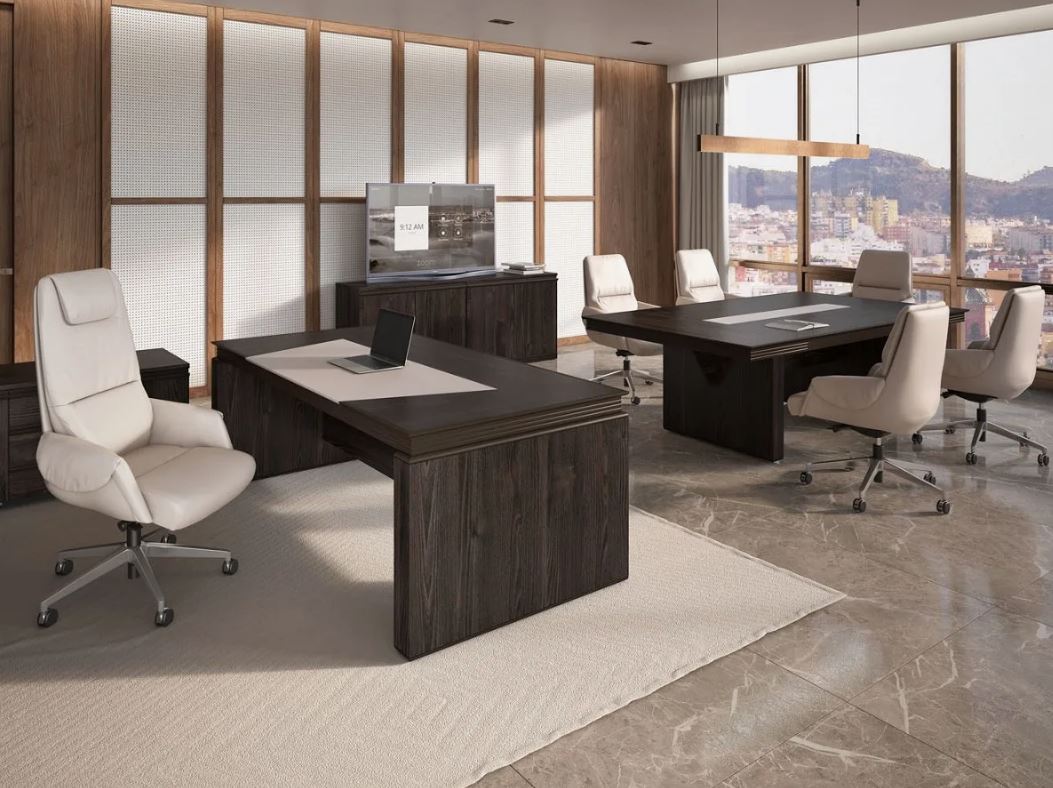
Choosing the right Business Furniture Philippines can influence how employees work, how clients perceive a company, and how efficiently an office uses its available space. A well-planned workplace needs more than attractive desks and chairs. It should provide comfort, support productivity, organize daily operations, and create a professional environment for employees, visitors, and business partners.
For companies in Manila and Quezon City, office furniture decisions can become especially important as businesses work with different office sizes, layouts, budgets, and workplace requirements. Whether you are furnishing a startup, upgrading a corporate office, setting up a branch, or planning a workspace for a growing team, selecting furniture based on actual business needs can deliver better long-term value.
What Is Business Furniture?
Business furniture refers to furniture designed for professional workplaces and commercial environments. It can include office desks, executive tables, workstations, office chairs, conference tables, reception counters, filing cabinets, storage units, pedestals, and collaborative furniture.
Unlike residential furniture, commercial office furniture is designed around workplace activities. Employees may spend several hours at their desks, managers may require private work areas, and teams may need spaces for meetings and collaboration. Therefore, furniture should balance functionality, durability, ergonomics, appearance, and efficient space utilization.
A business furniture solution should also fit the company’s operational requirements. A small startup may need compact workstations and flexible seating, while a large corporate office may require a combination of executive offices, employee workstations, meeting rooms, reception furniture, and storage systems.
Why Quality Office Furniture Matters for Philippine Businesses
Office furniture is a long-term workplace investment. Selecting inexpensive furniture without considering durability, comfort, dimensions, or functionality can result in frequent replacements and an uncomfortable working environment.
Good-quality Business Furniture Philippines can help create a more organized workspace. Desks with appropriate storage reduce clutter, while suitable office chairs can provide better support during extended working periods. Well-positioned workstations can also make better use of limited floor space.
The visual appearance of an office matters too. Reception areas and meeting rooms often form part of a client’s first impression. Professional furniture can help communicate organization and attention to detail without making the workplace unnecessarily formal.
For Philippine businesses, practical considerations such as available floor area, office layout, budget, maintenance requirements, and the number of employees should all be considered before purchasing.
How To Choose Business Furniture For Your Office
Start by understanding how the workplace will actually be used. Consider the number of employees, departments, working styles, meeting requirements, storage needs, visitor traffic, and available floor area.
Measure the office before ordering large furniture pieces. This helps prevent problems involving doorways, corridors, elevators, and workstation spacing. Furniture dimensions should work with the room rather than simply looking good in a showroom.
Next, identify the primary furniture categories required. A typical office may need employee desks, ergonomic chairs, executive furniture, conference tables, reception furniture, storage cabinets, and collaborative seating. Not every business needs the same combination.
Material quality is another important consideration. Furniture should be appropriate for its expected level of use and should be easy to maintain. Businesses should also evaluate warranties, replacement parts, installation services, and after-sales support when comparing suppliers.
Business Furniture For Small Offices And Startups
Small businesses often need to achieve more with less space. Large individual desks can quickly consume valuable floor area, leaving little room for movement or collaboration.
Compact office workstations can provide employees with dedicated working areas while maintaining efficient circulation. Mobile pedestals can provide additional storage without permanently occupying a large footprint. Multi-purpose meeting tables can also be useful for meetings, training, project discussions, and collaborative work.
Startups should also think about future growth. Modular furniture can make it easier to rearrange a workplace when the team expands or departments change. Choosing adaptable furniture can reduce the need for a complete office redesign later.
Business Furniture For Corporate Offices
Corporate workplaces often require several furniture zones rather than a single type of desk. An office may include executive offices, employee workstations, conference rooms, private meeting spaces, reception areas, break areas, and storage facilities.
Executive desks can establish a professional environment for managers and directors, while workstation systems can help organize larger teams. Conference tables should provide enough space for meetings without making the room difficult to navigate.
Corporate furniture should also support consistency. Matching finishes, complementary designs, and coordinated furniture systems can create a more cohesive workplace appearance.
Ergonomics Should Be A Priority
Employees can spend substantial portions of their working day using desks and chairs. For this reason, ergonomic considerations should be part of the furniture selection process.
An office chair should provide appropriate support and allow useful adjustments for the individual user. Desk height, monitor position, keyboard placement, and available legroom should also be considered when planning workstations.
Ergonomic furniture is not simply about buying an expensive chair. The entire workstation should be considered as a system. Furniture dimensions should work with employee needs and the technology used at the desk.
Businesses can also educate employees about appropriate workstation setup. Even well-designed furniture may not provide its full benefit if it is positioned or adjusted incorrectly.
Office Furniture For Different Business Areas
Different areas of an office have different purposes. Reception furniture should create an organized and welcoming entrance. Executive offices may require larger desks, visitor chairs, and storage. Employee work areas generally need practical desks, chairs, cable management, and personal storage.
Conference rooms need tables and seating that accommodate meetings comfortably. Training rooms may benefit from flexible tables that can be rearranged. Break areas can use informal seating to provide employees with a change from their primary workstations.
Understanding these differences helps businesses avoid purchasing one furniture style for every area.
How Business Furniture Can Improve Space Planning
Effective space planning is about more than fitting as much furniture as possible into a room. Employees need enough space to move, work, communicate, and access shared facilities.
Workstations should be arranged around practical circulation paths. Storage should be positioned where employees can access it easily. Meeting spaces should be located where conversations are less likely to interfere with focused work.
In Manila and Quezon City, where commercial spaces can vary significantly in size and configuration, careful planning can help businesses make better use of available office areas.
Business Furniture Philippines Buying Considerations
Before selecting a supplier, businesses should evaluate several factors. Product quality is important, but it should not be the only consideration. Buyers should also examine furniture dimensions, materials, available configurations, delivery arrangements, installation support, warranties, and customization options.
It is useful to request a quotation based on the complete project rather than comparing the price of individual products alone. A professional quotation can make it easier to understand the total investment required for desks, chairs, storage, delivery, and installation.
Businesses should also communicate their requirements clearly. Providing office dimensions, employee numbers, preferred furniture categories, target budget, and desired completion timeline can help suppliers recommend more appropriate solutions.
Why Local Office Furniture Expertise Matters
Working with a supplier familiar with the Philippine commercial environment can make office planning easier. Local knowledge can help businesses consider practical issues related to office layouts, delivery, installation, and furniture requirements.
For companies operating in Manila and Quezon City, a supplier that understands local business needs may also be better positioned to discuss suitable furniture configurations for different commercial spaces.
This is particularly useful for organizations furnishing multiple departments or locations because consistency, logistics, and installation become increasingly important as a project grows.
Creating A Professional Reception Area
The reception area is one of the first parts of an office visitors encounter. It should therefore be practical, comfortable, and consistent with the company’s professional image.
A reception desk should provide enough working space for reception staff while maintaining an organized appearance. Visitor seating should be comfortable without making the entrance feel crowded.
Storage and cable management should also be considered. A clean reception area can create a stronger first impression than an expensive but poorly organized design.
Conference And Meeting Room Furniture
Meeting rooms need furniture that supports communication. Conference tables should provide sufficient workspace for participants, laptops, documents, and presentation equipment.
The table shape can influence how people interact. Rectangular tables are common for formal meetings, while other configurations may work better for collaborative sessions or smaller teams.
Chairs should provide adequate comfort for the expected meeting duration. Businesses should also leave sufficient space around the table for movement and access.
Storage Solutions For Modern Businesses
Digital documents have reduced some traditional storage requirements, but physical records, supplies, equipment, and personal belongings still need appropriate storage in many workplaces.
Filing cabinets, storage cabinets, pedestals, shelves, and other organizational furniture can help maintain a cleaner workspace. Storage should be planned according to what employees actually need to keep nearby.
A well-organized storage system can also reduce unnecessary desk clutter and make frequently used items easier to locate.
Sustainable And Long-Term Furniture Decisions
Businesses are increasingly considering how furniture choices affect long-term costs and workplace sustainability. Durable products that remain functional for years can reduce unnecessary replacement.
Modular furniture can also provide flexibility. If a company changes its layout, relocates departments, or expands its workforce, adaptable furniture may be easier to reconfigure than fixed solutions.
When evaluating furniture, consider its expected lifespan, maintenance requirements, repair options, and ability to adapt to future workplace changes.
Common Mistakes When Buying Office Furniture
One common mistake is choosing furniture based only on appearance. A desk may look impressive but still be unsuitable if its dimensions do not fit the room or employees’ working requirements.
Another mistake is failing to measure the space. Furniture that fits on paper may become difficult to install when doors, elevators, columns, windows, or narrow corridors are considered.
Businesses can also underestimate storage requirements. Insufficient storage can quickly lead to clutter.
Buying everything at the lowest possible price can create another problem. Furniture that requires frequent replacement may cost more over time than a durable solution selected according to actual usage.
How To Plan A Business Furniture Budget
Start with the essential furniture categories and prioritize items that directly affect daily work. Employee desks and chairs may take priority over decorative pieces, while reception and conference furniture may be important for client-facing businesses.
Request detailed quotations so the total project cost is clear. Include furniture, delivery, installation, customization, and any additional services when comparing suppliers.
It can also be useful to divide the project into phases if the entire office cannot be furnished at once. A phased approach can allow businesses to prioritize essential work areas while planning future improvements.
Choosing A Business Furniture Supplier In Manila Or Quezon City
A suitable supplier should be able to understand the company’s requirements rather than simply provide a product catalog. Ask about available furniture ranges, customization, measurements, delivery, installation, warranties, and after-sales support.
Businesses can also benefit from visiting a showroom where available. Seeing furniture in person allows buyers to assess proportions, materials, finishes, seating comfort, and overall quality more effectively than relying only on photographs.
For companies searching for business furniture in the Philippines, local suppliers serving Manila Office Furniture Den can provide an opportunity to discuss project requirements directly and develop a more practical furniture plan.
Frequently Asked Questions About Business Furniture Philippines
What Is Business Furniture Philippines?
Business furniture includes desks, chairs, workstations, conference tables, reception furniture, storage, and other products designed for commercial workplaces in the Philippines.
What Furniture Does A Small Office Need?
A small office typically needs practical desks, ergonomic chairs, storage, and meeting furniture. Modular solutions can help maximize limited floor space.
How Do I Choose Office Furniture For My Business?
Consider employee numbers, office dimensions, work activities, storage requirements, furniture durability, ergonomics, budget, and future expansion before purchasing.
Is Ergonomic Office Furniture Worth It?
Ergonomic furniture can support a more comfortable workstation setup when properly selected, adjusted, and combined with good workplace practices.
Should I Visit A Furniture Showroom Before Buying?
Yes. A showroom visit can help you assess furniture size, materials, finishes, comfort, and quality before making a large commercial purchase.
Can Office Furniture Be Customized?
Many commercial furniture suppliers offer customization or configuration options. Availability depends on the supplier and furniture range.
What Office Furniture Works Best For Small Spaces?
Compact workstations, practical storage, mobile pedestals, and flexible meeting furniture can help small offices use available space efficiently.
How Much Should A Business Spend On Office Furniture?
There is no universal budget. Costs depend on employee numbers, furniture categories, quality, customization, and installation requirements. A project-based quotation provides a more useful estimate.

