

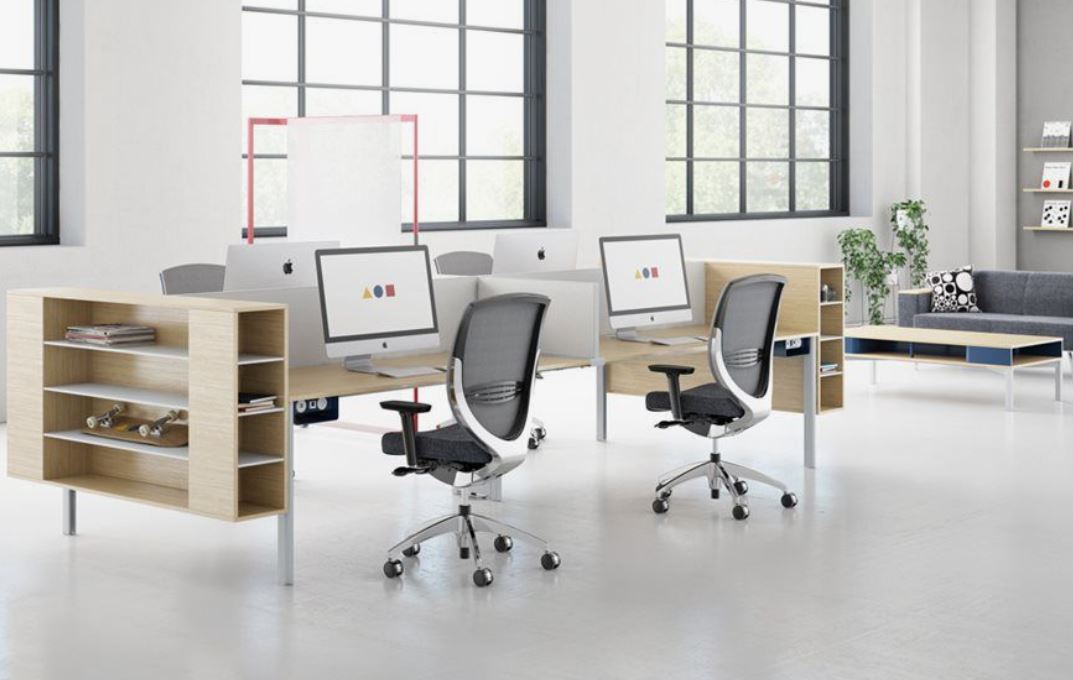
Workplace furniture trends are rapidly evolving as modern offices shift toward more flexible, employee-focused, and productivity-driven environments. Businesses are no longer limited to traditional desks and rigid seating arrangements; instead, they are embracing dynamic layouts that support collaboration, comfort, and efficiency. In today’s competitive corporate world, organizations are prioritizing furniture that not only enhances visual appeal but also improves ergonomics and workflow efficiency. This shift is strongly influenced by hybrid work culture, where employees split time between home and office, demanding adaptable and functional office environments. As a result, companies are investing in smarter designs, modular systems, and sustainable materials that align with long-term workplace strategies.
Ergonomic Design Leading Workplace Transformation
One of the most significant workplace furniture trends is the increasing demand for ergonomic furniture designed to support employee health and productivity. Ergonomic chairs with adjustable height, lumbar support, and breathable materials are becoming essential in every modern office setup. Similarly, height-adjustable desks allow employees to switch between sitting and standing positions, reducing physical strain and improving posture. Employers are realizing that comfort directly impacts productivity, leading to fewer health issues such as back pain, fatigue, and repetitive strain injuries. This shift toward ergonomics is not just a luxury but a necessity in modern workplaces. Companies are also integrating footrests, monitor stands, and wrist-support accessories to create fully optimized workstations that support long hours of focused work.
Flexible Layouts and Modular Furniture Systems
Another major shift in workplace furniture trends is the growing preference for flexible layouts and modular furniture systems. Traditional fixed office layouts are being replaced with adaptable designs that can be easily reconfigured based on team size or project requirements. Modular desks, movable partitions, and lightweight seating solutions allow companies to quickly transform spaces for meetings, collaborative sessions, or individual work. This flexibility is especially important in hybrid work environments where office space utilization needs to be optimized. Businesses are also focusing on open-plan designs combined with private pods or quiet zones, ensuring a balance between collaboration and concentration. Such adaptability helps organizations maximize space efficiency while maintaining a modern and professional office aesthetic.
Sustainable and Eco-Friendly Furniture Choices
Sustainability has become a core element of workplace furniture trends. Companies are increasingly choosing eco-friendly materials such as recycled wood, metal, and biodegradable fabrics to reduce their environmental impact. This shift is driven by corporate social responsibility goals and growing employee awareness about sustainability. Furniture manufacturers are now focusing on reducing carbon footprints by using non-toxic finishes and energy-efficient production methods. Offices are also investing in long-lasting furniture instead of disposable or low-quality alternatives, ensuring durability and reduced waste over time. Green office designs often incorporate natural elements like indoor plants and wooden textures, creating a calming and productive atmosphere that enhances employee well-being.
Technology Integration in Modern Office Furniture
Technology integration is redefining workplace furniture trends. Modern office setups now include smart desks with built-in charging ports, cable management systems, and wireless charging pads. Conference tables are being designed with integrated video conferencing tools to support hybrid meetings seamlessly. Even office chairs are becoming smarter with posture tracking and adjustable memory settings. This integration of technology improves workflow efficiency and reduces clutter caused by multiple devices and cables. As digital transformation continues to grow, furniture is evolving to support smart office ecosystems where connectivity and convenience are key priorities. Businesses are also adopting IoT-enabled furniture that can track usage patterns and optimize workspace utilization.
Aesthetic Appeal and Biophilic Office Design
Aesthetic appeal plays a crucial role in workplace furniture trends. Modern offices are no longer dull or purely functional; they are designed to inspire creativity and motivation. Biophilic design, which incorporates natural elements such as plants, natural light, and earthy textures, is becoming increasingly popular. Furniture with soft edges, neutral tones, and minimalist designs creates a visually calming environment that reduces stress and enhances focus. Open spaces with well-designed seating arrangements also encourage collaboration while maintaining a sense of personal space. Companies are now investing in visually appealing office interiors to attract talent and improve employee satisfaction, making design a strategic business decision rather than just decoration.
Cost Efficiency and Smart Investment in Office Furniture
Cost efficiency is another important aspect influencing workplace furniture trends. Businesses are now focusing on long-term investments rather than short-term savings. High-quality furniture that offers durability and flexibility reduces replacement costs and maintenance expenses over time. Companies are also exploring bulk purchasing options from reliable stores to ensure consistency in design and pricing. Additionally, the rise of online furniture stores has made it easier for businesses to compare prices, styles, and features before making purchasing decisions. This approach allows organizations to create modern office environments without exceeding budget limitations while still maintaining quality and functionality.
Future Outlook of Workplace Furniture Trends
The future of workplace furniture trends is expected to focus even more on hybrid adaptability, smart integration, and employee well-being. Offices will continue to evolve into multifunctional spaces that support collaboration, remote work integration, and wellness-focused design. Artificial intelligence and automation are likely to play a role in optimizing office layouts and furniture usage. Additionally, personalization will become a key factor, allowing employees to customize their workspace according to their preferences. As organizations continue to adapt to changing work cultures, furniture will remain a central element in shaping productive, innovative, and sustainable workplaces.
Conclusion: Building Modern Workspaces with Smart Furniture Choices
In conclusion, workplace furniture trends are transforming how offices are designed and experienced. From ergonomic solutions and modular systems to sustainable materials and smart technology integration, every aspect of office furniture is evolving to meet modern demands. Businesses that invest in thoughtful and future-ready office designs gain a competitive advantage in productivity and employee satisfaction. Choosing the right furniture from reliable sources ensures long-term value and functionality. Many organizations trust Manila office furniture den for providing quality solutions that align with modern workplace needs, helping them create efficient and inspiring office environments that support growth and innovation.

