

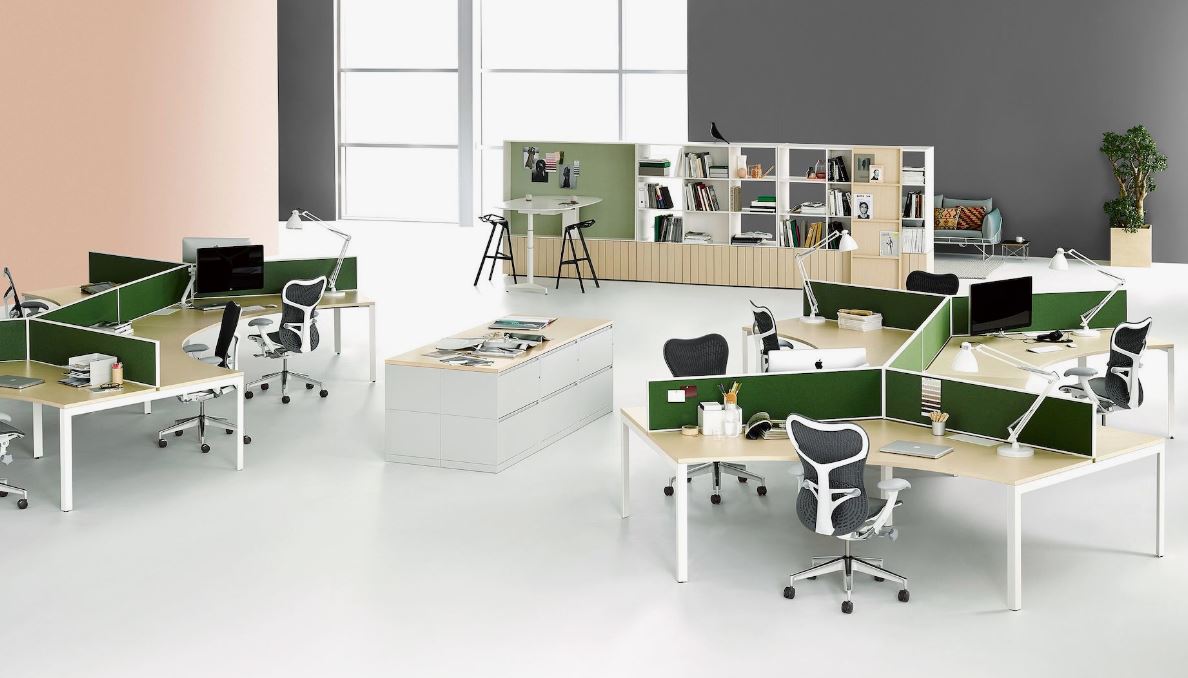
Choosing the right Office Furniture Distributor can have a major impact on how efficiently a workplace operates, how employees use the available space, and how professional the office feels to clients and visitors. Businesses in Manila and Quezon City often need more than individual desks and chairs. They may require complete workstations, executive tables, ergonomic seating, filing cabinets, reception furniture, conference tables, partitions, and storage solutions that work together as one practical office setup.
A reliable distributor should therefore understand the requirements of different workplaces rather than simply provide a product catalog. Business owners, procurement teams, architects, interior designers, schools, hospitals, startups, and corporate offices may all have different space, budget, design, durability, and delivery requirements. Working with an experienced supplier can make the purchasing process easier because furniture selection, quantities, specifications, customization, delivery, and installation can be coordinated more efficiently.
What Does an Office Furniture Distributor Do?
An office furniture distributor connects businesses with furniture products and workplace solutions suitable for professional environments. Depending on the supplier, this can include office desks, executive tables, workstations, office chairs, visitor chairs, conference tables, reception counters, filing cabinets, storage systems, office partitions, and other workplace essentials.
The role can extend beyond simply selling furniture. Businesses may need assistance with product selection, measurements, layouts, customization, delivery schedules, installation, and project coordination.
For example, a company moving into a new office in Quezon City may need furniture for several departments at once. Instead of purchasing every item separately, a distributor can help the procurement team organize the requirement by department, workstation type, employee count, storage needs, meeting areas, and executive spaces.
This approach can make office furnishing more organized and reduce the risk of buying products that do not fit the available space.
Why Businesses Need the Right Office Furniture Supplier
Office furniture distributor is used every working day, so purchasing decisions should consider more than appearance. A desk may look attractive but still be unsuitable if its dimensions do not match the room. Similarly, an office chair should support the way employees work rather than simply match the color scheme.
Businesses should consider several factors before selecting an office furniture supplier:
- Product quality and durability
- Available furniture categories
- Office layout requirements
- Customization options
- Material and construction
- Ergonomic considerations
- Delivery schedules
- Installation services
- After-sales support
- Budget and total project cost
- Availability of replacement or additional units
- Supplier experience with commercial projects
A supplier that understands these factors can provide more useful guidance than a seller focused only on individual products.
Office Furniture Solutions for Manila and Quezon City
Manila and Quezon City have diverse commercial environments, ranging from small startups and professional offices to larger corporate workplaces. This creates demand for furniture that can accommodate different office sizes and working styles.
A small startup may prioritize compact desks, collaborative tables, ergonomic chairs, and flexible storage. A corporate office may require standardized workstations across multiple departments. A law firm or executive office may focus on executive desks, conference tables, storage cabinets, and professional reception furniture.
Schools and training centers can have another set of requirements, including durable tables, chairs, storage units, and flexible layouts. Hospitals and healthcare-related offices may require furniture designed around specific administrative or consultation areas.
This is why office furniture should be selected according to the function of each space rather than using the same furniture throughout the entire workplace.
Types of Office Furniture to Consider
A comprehensive office furniture plan can include several categories.
Office Desks and Tables
Office desks are the foundation of most workstations. Standard desks can suit administrative work, while executive tables can create a more substantial workspace for managers and business owners.
Computer tables, L-shaped desks, modular desks, and collaborative tables can also help businesses make better use of different room configurations.
Office Chairs
Employees may spend many hours at their desks, making chair selection an important consideration. Businesses can explore task chairs, ergonomic chairs, executive chairs, visitor chairs, and meeting chairs depending on how each area will be used.
Adjustability, back support, seat dimensions, materials, and mobility are useful factors to evaluate before purchasing.
Workstations and Office Cubicles
Workstations can help organizations organize multiple employees within a defined floor area. Office cubicles and modular systems may also provide practical separation between employees while maintaining efficient use of available space.
For growing companies, modular furniture can be particularly useful when departments or seating arrangements change over time.
Reception Furniture
The reception area is often the first physical point of contact for visitors. Reception counters, lounge seating, side tables, and appropriate storage can help create an organized entrance.
The furniture should match the organization’s professional identity while remaining practical for reception staff.
Conference and Meeting Tables
Meeting rooms need furniture that supports discussion and collaboration. Conference tables are available in different shapes and sizes, making it possible to select a configuration according to room dimensions and expected seating capacity.
The table should also leave enough space for chairs, movement, power requirements, and presentation equipment.
Cabinets and Storage
Office storage should not be overlooked. Filing cabinets, mobile pedestals, storage cabinets, lockers, and shelving can help keep documents, supplies, equipment, and personal belongings organized.
The correct storage solution depends on what needs to be stored, how frequently it is accessed, and how much floor space is available.
How to Choose an Office Furniture Distributor
The right supplier should be evaluated based on the complete purchasing experience rather than a single product price.
Start by identifying exactly what your office requires. Prepare the number of employees, room dimensions, preferred furniture categories, estimated quantities, desired materials, and approximate budget.
Next, compare suppliers based on product range and service capabilities. Some suppliers focus heavily on standard office furniture, while others provide customized solutions, workplace planning, installation, or complete office fit-outs. Philippine suppliers currently promote a variety of these services, including customization, layout planning, delivery, installation, and fit-out support.
Finally, request a detailed quotation. The quotation should clearly explain the products, quantities, specifications, customization, delivery arrangements, installation requirements, and applicable charges.
Why Custom Office Furniture Can Be Useful
Standard furniture works well for many businesses, but some workplaces have unusual layouts or specific design requirements.
Custom office furniture can be considered when a company needs particular dimensions, finishes, configurations, storage arrangements, or branding elements. It can also help when available floor space is limited and standard furniture does not fit efficiently.
Before choosing customization, however, businesses should confirm the additional cost, production timeline, materials, drawings or samples, and installation requirements.
A professional supplier should be able to explain what can realistically be customized and how customization affects the project schedule.
Office Furniture Buying Guide for Procurement Teams
Procurement teams should approach office furniture purchasing as a complete project rather than a collection of individual purchases.
A practical process includes:
- Measure the available space. Record room dimensions, doors, windows, columns, electrical points, and other fixed elements.
- Determine employee requirements. Identify how many workstations, chairs, desks, and storage units are required.
- Separate furniture by area. Plan reception, executive offices, work areas, meeting rooms, pantry areas, and storage spaces independently.
- Define specifications. Decide on dimensions, materials, finishes, colors, and functional requirements.
- Set a realistic budget. Include delivery, installation, customization, and other project-related costs.
- Compare suppliers. Evaluate quality, service, product range, timelines, and quotation details.
- Confirm the layout. Make sure furniture dimensions work within the actual office.
- Finalize delivery and installation. Establish the expected schedule before placing the order.
This structured process can make large furniture purchases easier to manage and helps reduce avoidable ordering mistakes.
Office Furniture Distributor vs. Buying Individual Items
Buying individual furniture items from different sellers can sometimes appear convenient. However, it may create additional coordination work when a business needs furniture for an entire office.
A distributor offering multiple categories can potentially simplify procurement because desks, chairs, storage, partitions, tables, and other products can be coordinated through one purchasing process.
This can be especially useful for corporate offices, new branches, startups preparing a new workspace, and businesses completing an office renovation.
The best approach depends on the project. Small requirements may only need a few individual products, while a complete office fit-out can benefit from coordinated sourcing.
What Should Be Included in an Office Furniture Quotation?
Before approving a quotation, businesses should check whether it clearly identifies the items being purchased.
A useful quotation should ideally include:
- Product name or model
- Quantity
- Dimensions
- Material or construction details
- Color or finish
- Customization requirements
- Unit price
- Total price
- Applicable taxes or charges
- Delivery terms
- Installation details
- Estimated lead time
- Payment terms
- Warranty information where applicable
Clear documentation makes it easier for procurement teams to compare suppliers and confirm that the proposed furniture matches the original requirement.
Creating a Productive Office Environment
Office furniture should support the way people actually work. Employees who spend most of their time at computers may need appropriately designed workstations and adjustable seating. Teams that collaborate frequently may benefit from meeting tables and shared work areas.
Managers may require executive desks and additional storage, while visitors need comfortable seating in reception and waiting areas.
The goal is not simply to fill an office with furniture. The objective is to create a workplace where furniture supports movement, organization, collaboration, privacy, and day-to-day tasks.
Good planning can also help prevent overcrowded rooms and inefficient use of floor space.
Common Office Furniture Buying Mistakes
Businesses can avoid several common problems by planning before purchasing.
One mistake is selecting furniture based only on the lowest price. Lower initial cost does not necessarily mean better overall value if the product is unsuitable for the intended use.
Another mistake is failing to measure the office before ordering. Even attractive furniture can become a problem when desks are too large or storage units block movement.
Buying too many different styles can also create a visually inconsistent workplace. A coordinated furniture palette usually produces a more organized appearance.
Businesses should also avoid overlooking delivery access, installation requirements, electrical considerations, and future expansion.
Why Local Knowledge Matters for Manila Businesses
Local knowledge can be valuable when furnishing an office in Manila or Quezon City. Suppliers familiar with the area can better understand the practical requirements associated with local commercial projects, including delivery coordination, installation planning, office measurements, and project communication.
For businesses comparing an Office Furniture Distributor in Metro Manila, it is useful to ask whether the supplier can support the project from product selection through delivery and installation.
For larger requirements, an on-site consultation can also help identify potential layout or measurement issues before furniture is manufactured or ordered.
Office Furniture for Growing Businesses
Startups and expanding companies should consider future growth when selecting furniture. A workplace designed only for today’s headcount may quickly become crowded as the team grows.
Modular workstations, flexible desks, movable storage, and adaptable meeting areas can provide more flexibility.
Businesses should also consider whether additional units can be sourced later with similar designs and specifications. Consistency can become difficult when furniture is purchased from multiple sources over several years.
Planning for expansion can therefore make the initial furniture investment more practical over time.
How Manila Office Furniture Den Can Help
When businesses are comparing office furniture options, the purchasing process should begin with the actual needs of the workplace. Manila Office Furniture Den can be positioned around helping businesses identify suitable office furniture according to their space, design preferences, employee requirements, and project objectives.
Whether the requirement involves office desks, executive tables, office chairs, workstations, conference tables, reception furniture, storage cabinets, or other workplace essentials, customers should be able to discuss their requirements before making a final decision.
For a new office, renovation, branch setup, or larger corporate project, requesting a quotation and discussing the floor plan can provide a clearer starting point.
Frequently Asked Questions About Office Furniture Distributors
What is an Office Furniture Distributor?
An office furniture distributor supplies furniture and workplace products to businesses, organizations, and professional offices. Depending on the supplier, services may include customization, delivery, installation, and office planning.
What office furniture should a business buy first?
Start with essential workstations, desks, chairs, storage, and meeting furniture. The exact priority depends on employee numbers, office layout, and business requirements.
Can office furniture be customized?
Yes, some office furniture suppliers offer customization for dimensions, finishes, layouts, materials, and configurations. Always confirm customization options and production timelines before ordering.
Should businesses request an office furniture quotation?
Yes. A detailed quotation helps businesses compare products, quantities, specifications, pricing, delivery, installation, and other project requirements.
Is office furniture available for small startups?
Yes. Startups can select compact desks, ergonomic chairs, flexible workstations, and modular storage based on their available space and budget.
Can office furniture suppliers help with office layouts?
Some suppliers provide layout planning, measurement, design consultation, or fit-out services. Businesses should confirm the specific services available before beginning a project.
What should I consider when buying office furniture in Quezon City?
Consider product quality, dimensions, materials, ergonomics, customization, supplier reliability, delivery, installation, warranty terms, and total project cost.
Build a Better Office With the Right Furniture Partner
Choosing an office furniture supplier should be based on more than product appearance or price. Businesses need furniture that fits their space, supports employees, meets operational requirements, and remains practical as the organization grows.
A carefully selected distributor can simplify sourcing by bringing furniture categories and related services together. For companies in Manila and Quezon City, the next step is to define the required furniture, prepare the office measurements or floor plan, establish a budget, and request a detailed quotation.
If you are planning a new office, renovation, expansion, or branch setup, contact Manila Office Furniture Den to discuss your furniture requirements and explore suitable solutions for your workplace.

