

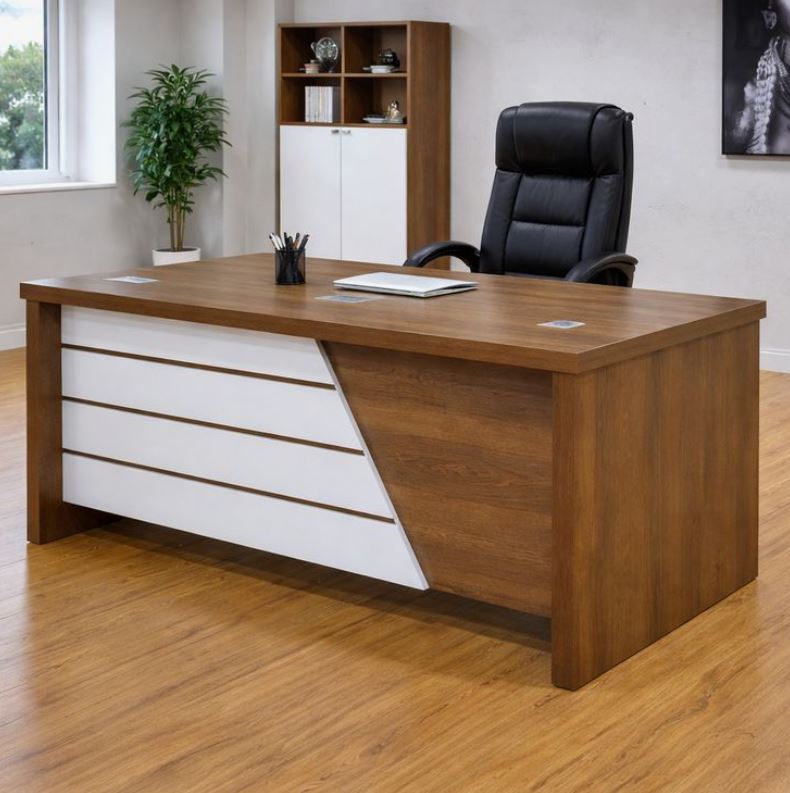
In today’s competitive business environment, investing in Corporate office furniture is about much more than filling an office with desks and chairs. The right furniture supports employee productivity, enhances collaboration, strengthens your brand image, and creates a comfortable environment where people can perform at their best. Whether you’re furnishing a startup in Quezon City, expanding a corporate headquarters in Manila, or renovating an existing workspace, choosing quality office furniture is a long-term investment that pays dividends in efficiency and employee satisfaction.
Modern workplaces are evolving rapidly. Hybrid work, flexible office layouts, ergonomic standards, and collaborative spaces have transformed how businesses design their offices. Instead of selecting furniture based solely on appearance or price, organizations now prioritize functionality, durability, employee wellness, and future scalability. This comprehensive guide explains everything you need to know before purchasing corporate office furniture in the Philippines.
What Is Corporate Office Furniture?
Corporate office furniture refers to professionally designed furniture solutions specifically created for business environments. Unlike residential furniture, corporate furniture is engineered to withstand daily commercial use while supporting productivity, comfort, and efficient workspace organization.
A complete corporate office furniture setup typically includes executive desks, ergonomic office chairs, workstations, conference tables, reception counters, filing cabinets, storage units, office partitions, meeting room furniture, training tables, lounge seating, pantry furniture, and collaborative workstations. Every piece should work together to create an organized, functional, and visually appealing workplace.
Businesses across Manila and Quezon City increasingly invest in modern office furniture because it contributes directly to employee performance, company culture, and client impressions.
Why Quality Corporate Office Furniture Matters
Office furniture influences nearly every aspect of workplace performance. Employees spend long hours at their desks, making comfort and ergonomics essential for maintaining productivity throughout the workday. Properly designed workstations help reduce fatigue, improve posture, and minimize workplace discomfort.
High-quality furniture also enhances organizational efficiency by providing better storage solutions, maximizing available office space, and supporting collaboration between departments. Well-designed conference rooms encourage productive meetings, while comfortable reception areas create positive first impressions for clients and business partners.
In competitive industries, a professionally furnished office reflects credibility, stability, and attention to detail. It communicates that your company values both employees and customers.
Essential Corporate Office Furniture Every Business Needs
Every office has unique operational requirements, but several furniture categories remain essential across most industries. Executive desks provide dedicated workspaces for management teams while maintaining a professional appearance. Modular workstations maximize floor space and allow organizations to adapt as teams grow.
Ergonomic office chairs have become one of the most important investments for employee well-being. Adjustable seating with lumbar support encourages healthier posture and improves comfort during extended work hours.
Conference tables create professional meeting environments where ideas are shared, decisions are made, and clients are welcomed. Reception desks establish the first impression visitors have of your business, making design and functionality equally important.
Storage solutions such as filing cabinets, mobile pedestals, shelving units, and lockers help maintain organized workspaces while protecting important business documents.
Breakout areas equipped with collaborative furniture encourage informal discussions, brainstorming sessions, and employee interaction, contributing to a healthier workplace culture.
How Ergonomic Furniture Improves Workplace Productivity
Ergonomics has become a central consideration when selecting corporate office furniture. Employees who sit comfortably are generally able to concentrate better, experience fewer physical discomforts, and maintain higher productivity throughout the day.
Adjustable office chairs, height-appropriate desks, monitor stands, keyboard trays, and supportive seating all contribute to improved posture and reduced strain on the neck, shoulders, and back.
Businesses investing in ergonomic furniture often report improved employee satisfaction, fewer complaints related to workplace discomfort, and enhanced overall workplace efficiency. While ergonomic furniture may involve a higher initial investment, its long-term value often outweighs the upfront cost.
Choosing Corporate Office Furniture for Different Industries
Different industries have unique furniture requirements. Corporate headquarters often prioritize executive offices, conference rooms, collaborative workstations, and elegant reception areas.
Educational institutions require durable classroom furniture, faculty workstations, administrative desks, and library seating. Hospitals and healthcare facilities need specialized reception counters, waiting area seating, nurse stations, and administrative office furniture designed for continuous use.
Government offices typically require secure storage systems, durable desks, visitor seating, and efficient filing solutions. Architectural firms and design studios may prioritize collaborative workspaces, large drafting tables, and flexible meeting areas.
Understanding your industry’s operational needs ensures every furniture investment contributes directly to workplace efficiency.
Factors to Consider Before Buying Corporate Office Furniture
Purchasing office furniture involves much more than comparing prices. Businesses should evaluate office size, employee count, future expansion plans, workflow requirements, and available floor space before making purchasing decisions.
Material quality plays a significant role in furniture longevity. Commercial-grade laminates, steel frames, engineered wood, premium fabrics, and durable hardware provide better long-term performance than lower-quality alternatives.
Businesses should also consider maintenance requirements, warranty coverage, furniture modularity, and compatibility with existing office interiors. Choosing flexible furniture systems allows offices to adapt as business needs evolve.
Budget planning should focus on long-term value rather than simply minimizing initial costs.
Modern Trends in Corporate Office Furniture
Office design continues to evolve as businesses embrace flexible work environments. Open-plan workstations remain popular, but many organizations now combine collaborative areas with private focus spaces to accommodate different working styles.
Height-adjustable desks allow employees to alternate between sitting and standing throughout the day. Acoustic panels and privacy partitions help reduce distractions in open offices while maintaining collaborative environments.
Sustainable office furniture manufactured from environmentally responsible materials has also become increasingly important for organizations seeking greener workplace solutions.
Minimalist furniture designs featuring clean lines, neutral color palettes, and multifunctional features remain popular across corporate offices in Manila and Quezon City.
How Corporate Office Furniture Supports Brand Image
Office furniture contributes significantly to how customers, partners, and employees perceive your business. Modern, organized workspaces communicate professionalism, reliability, and attention to quality.
Reception areas often create the strongest first impression. Comfortable visitor seating, attractive reception counters, branded meeting rooms, and coordinated furniture finishes reinforce company identity.
Consistent office aesthetics also contribute to employee pride, creating workplaces that people enjoy coming to every day.
Why Businesses in Manila and Quezon City Invest in Quality Office Furniture
Manila and Quezon City continue to experience strong commercial growth across numerous industries. As companies expand, office environments play an increasingly important role in attracting talent, retaining employees, and impressing clients.
Businesses in these highly competitive markets require furniture that balances functionality, aesthetics, durability, and efficient use of office space. Modern office layouts also support collaboration while accommodating changing workforce expectations.
Working with experienced office furniture specialists helps organizations identify solutions tailored to their available space, operational needs, and long-term business objectives.
How to Maintain Corporate Office Furniture
Proper maintenance extends furniture lifespan and protects your investment. Regular cleaning prevents dust buildup, while immediate attention to spills helps preserve upholstery and work surfaces. Employees should avoid overloading storage units and use furniture according to manufacturer recommendations.
Routine inspections can identify loose hardware, worn components, or minor damage before they become costly repairs. Preventive maintenance ensures furniture continues performing effectively for many years.
Choosing the Right Corporate Office Furniture Supplier
Selecting a reliable supplier is just as important as choosing the furniture itself. Look for suppliers offering professional consultation, workspace planning, customized furniture options, installation services, product warranties, and after-sales support.
Experienced suppliers understand how office layouts influence workflow and can recommend furniture configurations that maximize available space while supporting employee productivity.
A supplier with a wide product range also makes it easier to maintain consistent office aesthetics across different departments and future office expansions.
Conclusion
Choosing the right Corporate office furniture is an investment in your company’s productivity, employee well-being, and long-term growth. From ergonomic workstations and executive desks to collaborative meeting spaces and efficient storage solutions, every furniture decision contributes to creating a workplace that supports success.
Whether you’re establishing a new office, renovating an existing workspace, or expanding your business in Manila or Quezon City, selecting durable, functional, and professionally designed furniture will provide lasting value. For businesses seeking dependable office furniture solutions tailored to modern workplaces, Manila office furniture den offers quality products and expertise to help create productive, professional, and inspiring office environments.
Frequently Asked Questions
What is corporate office furniture?
Corporate office furniture includes commercial-grade desks, office chairs, workstations, conference tables, storage cabinets, reception furniture, and other furnishings designed specifically for professional workplaces.
Why is ergonomic office furniture important?
Ergonomic furniture supports proper posture, reduces physical strain, improves employee comfort, and helps maintain productivity during long working hours.
How do I choose the right office furniture?
Consider your office layout, available space, employee needs, workflow, storage requirements, furniture durability, ergonomics, and future expansion plans before making a purchase.
How long does quality office furniture last?
Commercial office furniture can last 10 years or more with proper maintenance, depending on material quality, daily usage, and environmental conditions.
Is modular office furniture a good investment?
Yes. Modular furniture offers flexibility, making it easier to reconfigure office layouts as teams grow or workplace needs change.
Why should businesses invest in quality corporate office furniture?
Quality furniture enhances employee productivity, creates a professional business image, improves workplace organization, supports collaboration, and provides better long-term value than lower-quality alternatives.

