

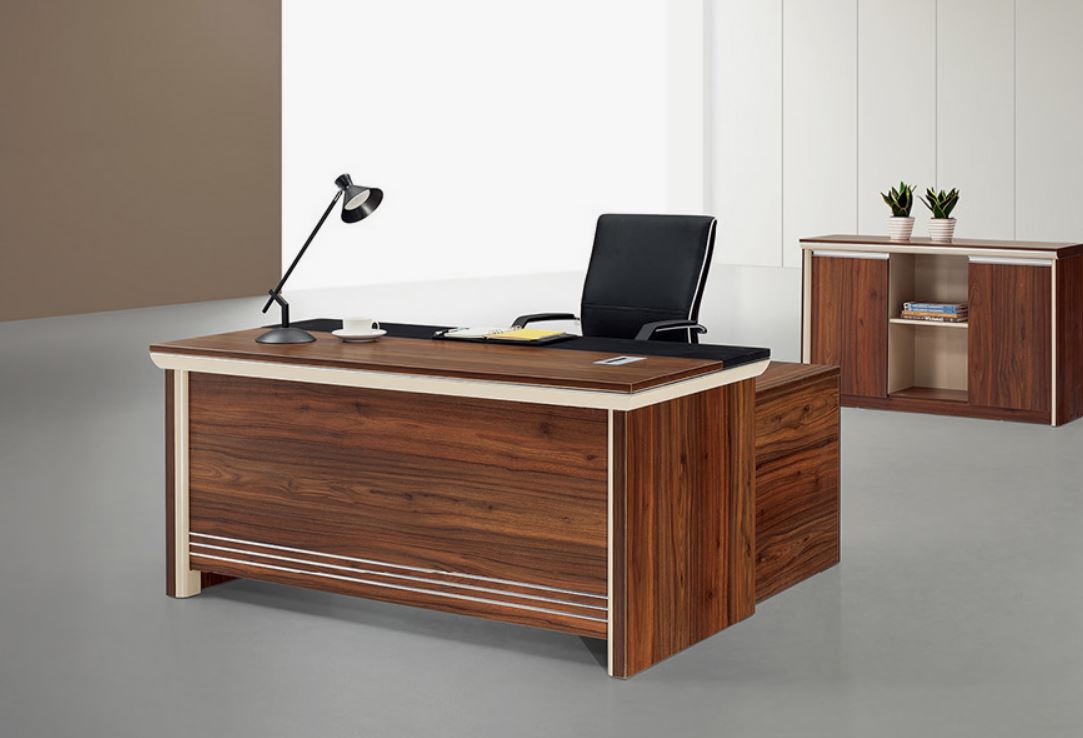
Renovating an office is about more than replacing old desks and chairs. The right Office Renovation Furniture can improve how employees work, make better use of available floor space, and create a professional environment for clients and visitors. For businesses in Manila and Quezon City, furniture choices should balance durability, comfort, appearance, functionality, and budget. A well-planned renovation can turn an outdated workplace into a more organized and productive setting without making the space feel crowded.
What Is Office Renovation Furniture?
Office renovation furniture refers to furniture selected or replaced as part of an office refurbishment or workspace improvement project. It can include executive desks, workstations, office tables, ergonomic chairs, conference tables, reception counters, storage cabinets, filing systems, pedestals, meeting room furniture, and collaborative seating.
Unlike buying individual furniture pieces without a plan, an office renovation considers the entire workplace. Furniture should work together with the office layout, lighting, electrical points, employee requirements, branding, and available space. This approach helps businesses create a cohesive workplace rather than a collection of unrelated furniture.
Why Furniture Matters During An Office Renovation
Furniture has a direct effect on how employees use an office. A poorly arranged workspace can create unnecessary movement, reduce storage capacity, and make a room feel smaller. Suitable furniture can help define work zones, improve organization, and support different activities throughout the day.
For example, an open-plan office may benefit from modular workstations that provide individual working areas while maintaining communication between team members. A private office may require an executive desk, visitor chairs, storage, and a compact meeting area. A conference room needs a suitable table and comfortable seating, while a reception area requires furniture that creates a positive first impression.
This makes furniture selection an important part of any office refurbishment project rather than an afterthought.
How To Choose Furniture For An Office Renovation
Start by assessing how the existing office is being used. Consider the number of employees, departments, available floor area, storage requirements, meeting frequency, customer traffic, and future growth. This information provides a practical foundation for selecting furniture.
Measurements are equally important. Before purchasing desks or workstations, determine the dimensions of rooms, doors, walkways, windows, columns, and fixed installations. Furniture that looks suitable in a showroom may not work well in a smaller Manila or Quezon City office if the dimensions are not carefully considered.
Businesses should also consider ergonomics. Employees may spend many hours at their desks, so seating and workstation design should support comfortable working positions. Adjustable office chairs, appropriate desk heights, sufficient legroom, and properly planned monitor placement can contribute to a more comfortable workplace.
Durability should also be considered. Commercial office furniture experiences regular daily use, so materials, hardware, frames, finishes, and construction quality matter. Choosing furniture based only on the lowest initial price can result in higher replacement costs later.
Office Workstations For Renovation Projects
Workstations are particularly useful for companies that need to accommodate multiple employees efficiently. Modular office workstations can be arranged according to team size and floor configuration, making them suitable for growing businesses.
Depending on the workplace, businesses can consider straight workstations, L-shaped configurations, cluster workstations, benching systems, or partitioned setups. The best configuration depends on the available space and the type of work employees perform.
For companies in Manila and Quezon City, space efficiency can be especially important. A carefully planned workstation arrangement can provide employees with dedicated working areas while preserving circulation space and shared areas.
Choosing Office Tables And Desks
Office Renovation Furniture should reflect the function of the room. A regular employee workstation does not necessarily require the same desk as an executive office. Similarly, a meeting room needs a table designed for group interaction rather than individual computer work.
Executive desks can create a formal appearance in management offices, while compact office desks may be more appropriate for smaller rooms. Meeting tables should provide enough surface area for documents, laptops, and collaborative discussions without restricting movement around the room.
Modern office table designs can also incorporate cable management, storage, modesty panels, and integrated power solutions. These features can help keep renovated workspaces organized and visually clean.
Ergonomic Office Chairs For A Better Workspace
An office renovation is an ideal opportunity to review existing seating. Old or poorly designed chairs can make a workplace uncomfortable, especially when employees remain seated for extended periods.
Look for office chairs with appropriate seat dimensions, supportive backrests, adjustable features, stable bases, and suitable materials. The correct chair should also work with the height and design of the desk.
Businesses should avoid selecting chairs based entirely on appearance. A chair can look attractive while still being unsuitable for daily office use. Comfort, adjustability, durability, and ease of maintenance should all be considered.
Storage Furniture For A More Organized Office
Renovation projects often reveal how much storage an office actually needs. Files, supplies, equipment, documents, and personal belongings require designated storage areas.
Filing cabinets, mobile pedestals, storage cupboards, bookshelves, and other office storage furniture can help reduce clutter. Mobile pedestals can be particularly useful because they can provide personal storage near individual workstations while offering flexibility when layouts change.
Storage should be planned alongside the furniture layout. Adding cabinets after desks have been installed can restrict walkways and make the office feel crowded.
Reception And Waiting Area Furniture
The reception area is often the first physical point of contact between a company and its visitors. During an office renovation, this area deserves careful attention.
A reception counter should be appropriately sized for the available space and the tasks performed by reception staff. Visitor chairs should be comfortable and easy to maintain. Small tables, storage, and suitable decorative elements can complete the area without creating unnecessary congestion.
The objective is to create a welcoming and professional environment that reflects the company’s identity.
Conference Room Furniture
A renovated meeting room should support communication and collaboration. The conference table should be proportional to the room and allow participants to sit comfortably without restricting movement.
Consider how many people normally attend meetings and whether the room needs additional equipment such as displays, video conferencing systems, power outlets, or cable connections. Conference chairs should provide adequate comfort for longer meetings.
For smaller offices, multifunctional meeting furniture can make the room more versatile. A space may serve as a meeting room, training area, interview room, or collaborative workspace depending on the furniture arrangement.
Space Planning For Manila And Quezon City Offices
Office renovation projects in Manila and Quezon City can involve very different types of spaces. Some companies operate from compact commercial units, while others occupy large corporate floors. Furniture should therefore be selected according to the actual workplace rather than following a one-size-fits-all layout.
An efficient office layout should provide clear circulation routes and logical relationships between departments. Frequently used resources should be accessible without creating unnecessary traffic through work areas.
Businesses should also consider future expansion. Modular furniture can make it easier to add workstations or rearrange departments when the company grows.
Common Office Renovation Furniture Mistakes
One common mistake is purchasing furniture before developing a floor plan. This can result in desks that do not fit properly or storage units that obstruct walkways.
Another mistake is choosing furniture based entirely on appearance. A stylish desk may not provide enough workspace, while an attractive chair may lack the adjustability required for everyday use.
Ignoring cable management is another frequent problem. Modern offices depend on computers, monitors, chargers, networking equipment, and other devices. Furniture should accommodate these requirements wherever possible.
Businesses should also avoid filling every available area with furniture. Empty space has practical value because employees need room to move, collaborate, and access equipment.
How Much Should You Budget For Office Renovation Furniture?
The budget depends on factors such as the number of employees, furniture specifications, materials, customization, storage requirements, installation, and the size of the workspace.
Instead of setting the budget around one furniture item, businesses should divide the project into categories such as workstations, chairs, executive furniture, meeting room furniture, reception furniture, storage, and installation.
It is also useful to prioritize high-use furniture. Employees interact with their desks and chairs every working day, so durability and ergonomics should receive appropriate attention. A balanced budget can provide better long-term value than choosing the cheapest option across every category.
New Furniture Or Refurbishing Existing Furniture?
Not every renovation requires replacing everything. In some cases, existing furniture may still be structurally sound and can be reused, relocated, or refurbished.
However, outdated furniture may have poor ergonomics, limited functionality, damaged finishes, or dimensions that no longer suit the redesigned workplace. In those situations, replacement may provide greater value.
A furniture assessment before renovation can help determine what should be retained, replaced, repaired, or relocated.
How To Create A Cohesive Office Design
A professional office does not need every item to look identical. However, furniture should share a consistent design language.
Consider finishes, materials, colors, shapes, and proportions when selecting desks, chairs, storage, reception furniture, and meeting room pieces. A consistent approach can make different areas feel connected.
The company’s branding can also influence furniture selection, but functionality should remain the priority. The best office renovation combines visual identity with practical workplace requirements.
Sustainable Considerations For Office Furniture
Businesses can also consider sustainability when planning an office refurbishment. Durable furniture that remains useful for many years can reduce the frequency of replacement.
Modular furniture may offer another advantage because individual components can sometimes be rearranged or replaced without replacing the entire setup. Businesses can also assess material quality, product lifespan, repairability, and responsible disposal when making purchasing decisions.
Sustainability should be approached practically. A durable product that remains functional for years can provide stronger long-term value than furniture that requires frequent replacement.
Why Professional Furniture Planning Can Make A Difference
Office renovation involves many connected decisions. Furniture dimensions affect floor planning, floor planning affects employee movement, and storage requirements influence workstation placement. Professional guidance can help businesses identify these relationships before installation begins.
A furniture supplier can also help with product selection, space planning, customization, delivery, and installation. This can make the renovation process more coordinated and reduce the risk of purchasing furniture that does not suit the workplace.
For businesses comparing office furniture suppliers in Manila or Quezon City, it is useful to review product quality, customization options, project experience, installation support, warranties, and after-sales service rather than comparing price alone.
Office Renovation Furniture Buying Checklist
Before finalizing a furniture order, review the workspace measurements, employee count, department requirements, storage needs, preferred layout, furniture dimensions, ergonomic features, materials, durability, cable management, delivery requirements, and installation requirements.
It is also worth checking whether the furniture can accommodate future expansion. A company that expects to add employees may benefit from modular systems that can be expanded or reconfigured later.
Frequently Asked Questions About Office Renovation Furniture
What furniture is needed for an office renovation?
Common requirements include office desks, workstations, ergonomic chairs, storage cabinets, filing cabinets, reception furniture, conference tables, meeting chairs, and executive office furniture.
How do I choose furniture for a small office?
Prioritize compact, functional furniture with efficient storage. Modular workstations and multifunctional meeting furniture can help maximize limited floor space.
Is ergonomic furniture important during an office renovation?
Yes. Employees spend significant time using office furniture, so appropriate desk dimensions and adjustable seating can support a more comfortable working environment.
Should I replace all my existing office furniture?
Not necessarily. Furniture that remains durable, functional, and suitable for the new layout may be reused. Damaged, outdated, or unsuitable items may be better replaced.
Can office furniture be customized?
Many commercial furniture solutions can be customized in terms of dimensions, configurations, finishes, storage, partitions, and other specifications, depending on the supplier and product.
What should I consider when buying office furniture in Manila?
Consider available space, employee requirements, durability, ergonomics, design, storage, delivery access, installation, budget, and the supplier’s ability to support your project.
How can I make an office renovation more cost-effective?
Start with a detailed floor plan, prioritize essential furniture, reuse suitable existing pieces, compare long-term durability rather than only upfront price, and select flexible furniture that can adapt to future changes.
Build A Better Workplace With The Right Furniture
A successful office renovation should improve the way people work, not simply make the workplace look newer. The right furniture can create better circulation, improve organization, support employee comfort, and give clients a stronger impression of the business.
Whether you are renovating a compact startup office, a corporate workplace, a school facility, a government office, or a larger commercial space, furniture should be selected around real operational needs. Businesses in Manila and Quezon City can benefit from evaluating their existing space carefully before investing in new office furniture.
If you are planning a workplace refurbishment, Manila Office Furniture Den can be considered as part of your research when comparing office furniture solutions, layouts, and requirements for a renovated workspace. A well-planned furniture investment can help create an office that is functional today and adaptable for tomorrow.

